


More news on this day
With another record breaking summer travel season approaching, US air passengers are bracing for a difficult few months as chronic delays, long airport lines, and higher airline baggage fees converge into a perfect storm of travel anxiety.
Get the latest news straight to your inbox!
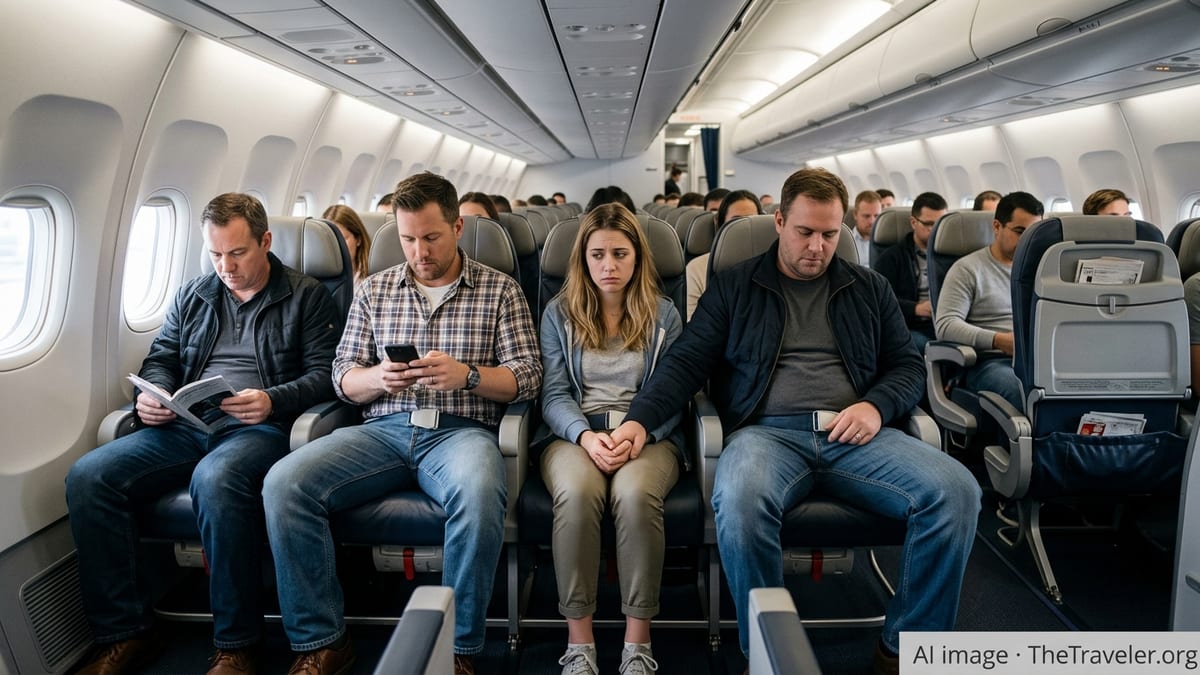
Record Demand Collides With a Strained Aviation System
Government forecasts and industry data point to another summer of near record passenger volumes in 2026, building on the sharp rebound of US air travel over the past two years. Transportation reports show that some of the busiest days in 2025 already exceeded pre pandemic flight counts, indicating that airlines and airports will again be operating close to capacity this year.
At the same time, recent federal reviews of the National Airspace System describe an environment where even modest disruptions can ripple quickly, turning localized slowdowns into nationwide delays. Analyses of the 2023 and 2024 summer seasons found that weather, congestion, and staffing issues combined to reduce system capacity and increase flight hold times at major hubs.
For travelers, that means a high likelihood of crowded departure halls, tight competition for overhead bin space, and schedules that leave little room for error. When storms pop up along the East Coast or in key Midwest hubs, flights across the country can be pushed back or canceled as crews and aircraft fall out of position.
Some airports are already signaling concern. A recent summary of capacity planning around Chicago O’Hare, one of the nation’s busiest hubs, highlighted that airlines had scheduled aggressive increases in flights while runway and gate construction continues, raising alarms that delays could escalate if schedules are not adjusted.
Air Traffic Controller Shortages Drive Persistent Delays
A central factor behind the anxiety is the continuing shortage of air traffic controllers, which federal audits and workforce plans describe as the deepest in more than a decade. Government accountability reviews published in late 2025 reported that the controller workforce had declined in recent years even as flight activity recovered, with many of the nation’s largest and busiest facilities staffed well below internal targets.
Industry and academic studies released in 2025 and 2026 link those staffing gaps directly to rising delays categorized as National Aviation System or air traffic related. One analysis drawing on Bureau of Transportation Statistics data found that staffing related and airspace management delays accounted for a growing share of total disruption during peak summer months compared with pre pandemic baselines.
The Federal Aviation Administration has outlined plans to accelerate hiring and training, including new outreach campaigns aimed at younger applicants and expanded use of the agency’s training academy. Official workforce plans released in 2025 and early 2026 project several years of elevated hiring to rebuild staffing levels, but they also acknowledge that bringing new controllers to full certification takes years, not months.
In the meantime, regulators have turned to schedule management tools to keep pressure off the most constrained airspace. For the New York region, formal notices for the 2025 and 2026 seasons authorized temporary relief from normal slot usage rules, effectively encouraging airlines to trim flights at John F. Kennedy, LaGuardia, and other congested airports to reduce gridlock and preserve safety margins.
Long Security Lines Add to Passenger Frustration
Beyond the air traffic system itself, travelers are confronting renewed uncertainty at airport security checkpoints. Publicly available coverage this spring describes periods of hours long security waits at some major US airports, especially during holiday and spring break peaks when Transportation Security Administration staffing was strained by a partial federal government shutdown.
Federal agencies have said they are working to stabilize operations after that disruption, but early 2026 reporting from large metropolitan areas such as Washington highlights uneven conditions. Some airports in a region have maintained relatively smooth flows, while others have seen security lines stretching through terminals during busy departure waves, amplifying stress for passengers trying to make flights.
Security screening volumes around recent holiday periods provide a preview of what summer could bring. During the 2025 Thanksgiving travel window, for example, public forecasts from transportation security officials projected screening of nearly 18 million passengers over a single week, the highest level on record for that period. Similar or higher numbers are expected across the upcoming summer, which will put renewed pressure on checkpoints unless staffing and lane management keep pace.
Travelers who cut arrival times too close may face difficult choices between missing flights and paying high same day change fees. Travel insurance and airline rebooking policies have become key points of interest as more passengers look for ways to protect themselves against long lines outside their control.
Airlines Push Bag Fees Higher Ahead of Summer Rush
As operational strains build, many travelers are also confronting higher out of pocket costs. Airline baggage fee comparison data updated in spring 2026 show a new round of increases across several major US carriers, with first and second checked bag fees on many domestic economy tickets now substantially higher than just a few years ago.
Some large network airlines have recently adjusted fees on specific routes, including long haul services to Asia and Latin America, while low cost carriers continue to rely heavily on à la carte pricing for both checked and carry on bags. Industry trackers note that fuel prices have climbed sharply since early 2026, and they link the latest wave of fee changes partly to those higher operating costs.
The result is that families traveling with multiple checked bags may pay hundreds of dollars more per round trip than they did before the pandemic recovery, especially if they are flying carriers that charge separately for overhead bin access. Consumer advocates argue that the complexity and variability of fees make it difficult for passengers to compare total trip costs, particularly when shopping across airlines and fare categories.
Some airlines counter that optional fees give travelers more choice and help keep base fares lower, but the steady march of increases has frustrated many passengers. Combined with uncertainty about delays and missed connections, rising fees are contributing to a sense that summer air travel is both more stressful and more expensive than in previous years.
What Travelers Can Do Now to Reduce Summer Stress
With structural issues such as controller staffing and airport capacity unlikely to be fully resolved before the peak season, analysts suggest that individual travelers focus on steps that can reduce exposure to disruption. Historical delay data show that early morning departures are often less vulnerable to cascading delays, because crews and aircraft start the day in position before storms and congestion build.
Travel experts reviewing recent summers also point to specific peak days that reliably see higher cancellation and delay rates, including the Friday before Memorial Day, the Sundays around Independence Day, and the closing weekend of August. Avoiding those dates when possible or building in extra buffer days can provide additional resilience, especially for trips tied to major events or international connections.
Because security lines have become more volatile, arriving earlier than in previous years is another common recommendation, particularly at large hub airports and during early morning or evening departure banks. Enrollment in expedited screening programs, while not a guarantee against delays, can offer some relief at airports where those lanes remain less crowded.
Finally, travel planners emphasize the importance of closely reading airline policies on baggage, rebooking, and compensation. New and higher bag fees in 2026 mean that the cheapest fare is not always the cheapest trip once luggage is factored in. Understanding fee structures, holding essential items in carry on bags, and monitoring airline apps for real time updates can help passengers navigate what is shaping up to be another turbulent summer in the skies.