


More news on this day
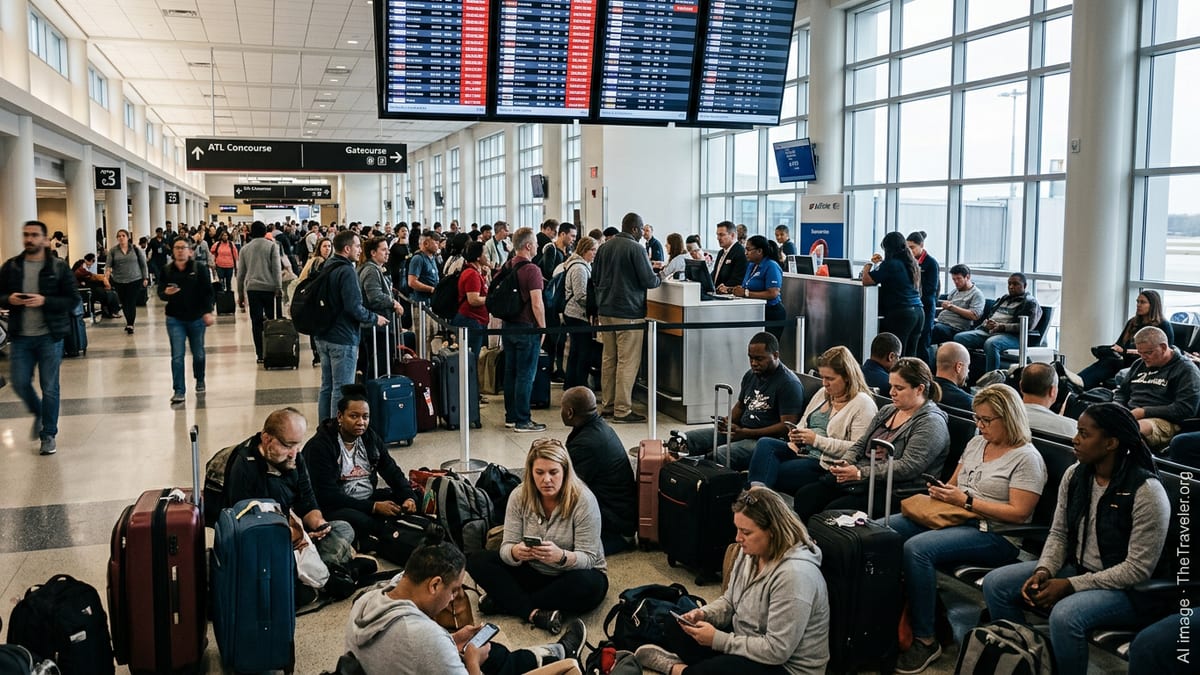
Hundreds of passengers at St. Louis Lambert International Airport faced significant disruption this weekend as at least seven flights operated by Southwest Airlines and Endeavor Air were cancelled, with additional departures to Detroit, Pensacola, Orlando, Los Angeles, Savannah and other destinations delayed amid peak summer demand.
Get the latest news straight to your inbox!
Summer Rush Collides With Operational Strain
The disruptions unfolded during one of the busiest periods of the summer travel season, amplifying the impact on leisure travelers, families and connecting passengers who rely on St. Louis Lambert as a key Midwest gateway. Publicly available flight-tracking data and airport information for Sunday, July 5, indicated a cluster of cancellations and rolling delays on major domestic routes serving vacation markets and business hubs.
Southwest, the dominant carrier at Lambert, and Endeavor Air, a regional operator for Delta Air Lines, jointly accounted for at least seven cancelled departures and arrivals over the course of the day. The affected flying program included links to Detroit and Orlando, as well as coastal and Sun Belt destinations popular with summer travelers such as Pensacola, Los Angeles and Savannah, along with a number of intermediate connections.
Travelers already at the airport reported extended waits at gate areas as aircraft were reassigned and crews repositioned. The knock-on effects rippled beyond St. Louis, affecting passengers booked on onward connections and return journeys who suddenly faced same-day changes to their plans.
The disruption followed a period of intensive schedule adjustments across the industry, with airlines fine tuning summer capacity and trimming weaker routes in response to cost pressures and staffing constraints. For St. Louis Lambert, where Southwest accounts for a substantial share of passenger traffic, concentrated issues on a single day translated into visible strain across concourses.
Key Routes to Detroit, Florida and California Affected
The cancellations and delays struck several of Lambert’s most widely used domestic corridors. Flights serving Detroit, an important Midwestern business and connection market, experienced schedule gaps as Endeavor-operated regional services were pulled from the board, forcing affected passengers onto later departures or alternate routings through other Delta hubs.
To the south and east, disruptions to flights bound for Pensacola and Orlando complicated vacation itineraries during the height of family travel season. Florida routes from St. Louis have grown increasingly competitive, and any reduction in same day options leaves limited flexibility for travelers facing weather issues or missed connections elsewhere in the network.
On the opposite coast, travelers to and from Los Angeles also encountered irregular operations as select Southwest flights were removed from schedules or departed behind time. According to published coverage of recent schedule changes, Southwest has already been pruning parts of its St. Louis network during the July through September window, making each remaining departure more critical for maintaining connectivity to major markets.
Service to secondary leisure destinations such as Savannah in coastal Georgia, often operated with relatively low daily frequency, proved particularly vulnerable. When one of these flights is cancelled or significantly delayed, travelers can face overnight stays or extensive re-routing via multiple hubs before reaching their final destination.
Airlines Cite Weather, Crewing and Network Balancing Pressures
While individual flight records showed a mix of reasons, from late-arriving inbound aircraft to broader network constraints, the pattern of disruption at Lambert reflected several overlapping pressures. Summer thunderstorms across large portions of the Midwest and Southeast frequently force reroutes and ground stops that cascade throughout airline systems, especially for carriers with dense point-to-point operations such as Southwest.
Airlines industry analysts have also pointed to ongoing challenges in crew availability and aircraft utilization. Regional carriers like Endeavor operate complex rotations for pilots and flight attendants based on strict duty-time rules, leaving limited room to recover once an early-day leg is cancelled or diverted. When those disruptions intersect with a busy holiday or weekend schedule, airports such as St. Louis can experience sudden spikes in cancellations and extended delays.
According to recent industry reporting, Southwest and other large U.S. carriers have been actively adjusting flight frequencies at mid-sized hubs and focus cities, including St. Louis, as they work to control costs and prioritize high-demand routes. On days when operations are constrained, this can result in the consolidation or cancellation of marginal flights, especially where alternate connections exist through larger hubs.
For passengers on the ground, however, the strategic balancing of networks translates into practical questions about where to sleep, how to protect nonrefundable hotel bookings and whether vacation time can be salvaged. With multiple cancellations concentrated on the same day at Lambert, many travelers were left to queue at customer service desks and rebooking counters in search of remaining seats.
Impact on St. Louis Lambert’s Growing Role as a Regional Gateway
The latest disruption comes at a time when St. Louis Lambert is working to strengthen its position in the national air network. Recent reports and airport planning documents have highlighted year over year growth in total passengers and a gradual expansion of long haul and transatlantic options, even as domestic route maps continue to evolve.
Southwest’s heavy presence at Lambert has long been both an asset and a vulnerability for the region. High frequencies on core routes and competitive pricing have supported leisure travel and small business connectivity, but concentrated reliance on a single carrier means that operational problems can quickly ripple through the local market. When that carrier also adjusts its overall schedule from the airport, local travelers face fewer alternatives when irregular operations occur.
Endeavor’s role as a regional connector adds another layer of complexity. As a feeder operator into the Delta network, its flights from St. Louis support connections to a global system through Detroit and other hubs. Any reduction in reliability on these spokes can reduce confidence among frequent travelers who depend on tight connections to international or cross country services.
Episodes like the current wave of cancellations and delays highlight how even a single day of irregular operations can undercut broader efforts to market St. Louis as a dependable origin and connection point. For local tourism businesses and convention planners, sustained reliability of air service is a key factor in attracting visitors and events.
What Travelers Can Expect in the Coming Weeks
Looking ahead, publicly available schedule data suggests that airlines are likely to continue fine tuning their St. Louis operations throughout the remainder of the summer travel period. Industry coverage has pointed to additional adjustments across several carriers’ domestic networks as they respond to fuel costs, aircraft delivery delays and shifting demand between business and leisure markets.
Travelers using Lambert in July and August may therefore encounter further day of travel changes, especially on thinner routes with limited daily frequencies. Those heading to popular leisure destinations such as Florida beaches, Southern coastal cities and the West Coast could see tighter availability on remaining flights, particularly around weekends and peak holiday dates.
Passenger advocates typically recommend that travelers build extra connection time into itineraries, particularly when connecting through multiple hubs or relying on smaller regional legs to reach larger gateways. Flexible hotel and car rental reservations can also reduce the financial impact if cancellations or long delays force last minute schedule changes.
For St. Louis, the events of this weekend underscore both the benefits and the risks of its current air service model. As airlines continue to refine their route structures and operational strategies, local passengers are likely to remain acutely sensitive to news of cancellations, schedule cuts and recovery efforts that shape how reliably they can reach destinations such as Detroit, Pensacola, Orlando, Los Angeles and Savannah from their home airport.