


More news on this day
StarDream Cruises is rolling out fuel surcharge relief across its Asia deployments, easing or reducing recently introduced fees for guests sailing from Singapore, Malaysia, Hong Kong and Taiwan as oil market conditions stabilize.
Get the latest news straight to your inbox!
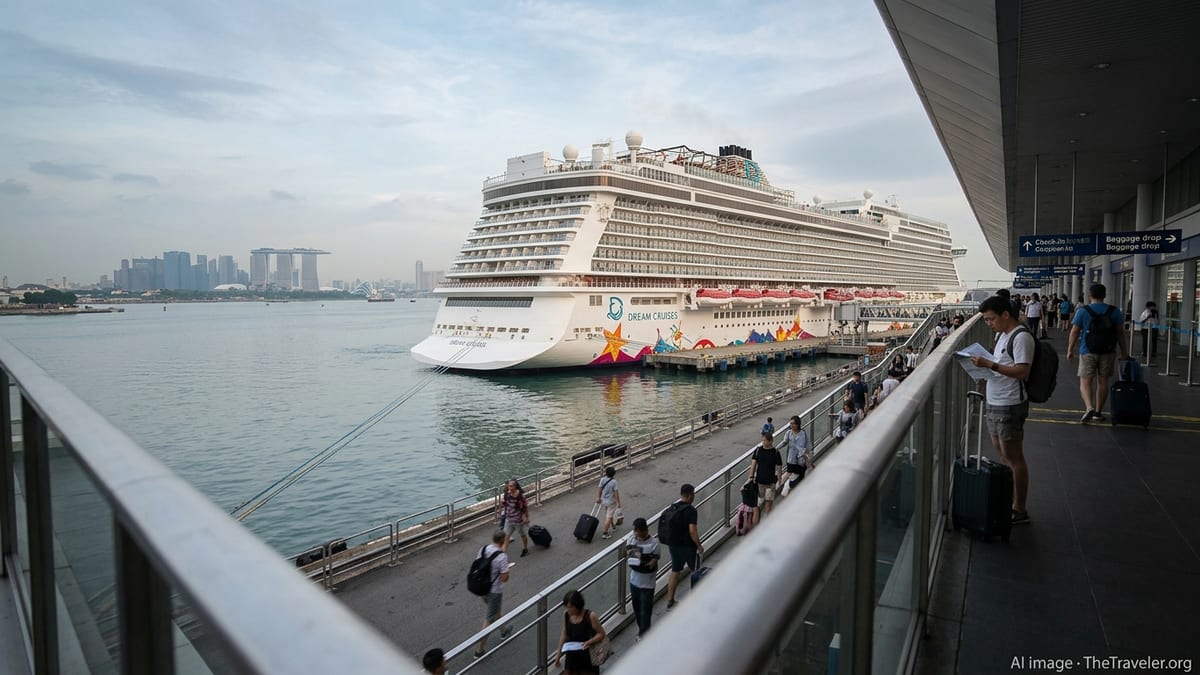
Fuel surcharge waiver from Singapore and Malaysia
StarDream Cruises has announced that guests departing from Singapore and Port Klang on selected ships will see fuel surcharges fully waived for upcoming sailings. According to regional news coverage, the adjustment applies to departures from late June, reversing a supplementary charge that was introduced earlier in 2026 in response to higher fuel costs.
The relief initially focuses on itineraries operated by Genting Dream and Star Voyager, two of the line’s main vessels for Southeast Asia. Passengers booked on sailings within the affected window will no longer have a separate fuel line item added to their onboard accounts, effectively lowering the all-in cost of cruising from these homeports.
Publicly available information indicates that the surcharge had been set at a per-guest, per-night rate, in line with typical industry practice. Removing that fee for Singapore and Malaysia departures marks a notable shift in pricing after several months of surcharges linked to elevated oil prices and geopolitical tensions.
Travel trade reports suggest that the company is positioning the change as part of a broader effort to keep short-haul regional cruises attractive to price-sensitive families and first-time cruisers, key segments for sailings from Singapore and Port Klang.
Reduced supplements for Hong Kong and Taiwan markets
While surcharges are being fully removed for some Southeast Asian departures, StarDream Cruises is taking a more gradual approach in North Asia. Reports on the updated policy indicate that fuel supplements for guests embarking in Hong Kong and Taiwan will be cut by half rather than eliminated outright.
The partial reduction applies primarily to Star Voyager itineraries from Hong Kong and Star Navigator departures from Keelung, which typically operate longer routes and consume more fuel than short Southeast Asia cruises. By trimming but not fully waiving the surcharge, the line appears to be balancing cost relief for guests with the realities of higher operating expenses on those itineraries.
Travel industry analyses note that North Asian routes have been more exposed to recent volatility in fuel markets, making a full waiver more difficult to sustain. Even so, a 50 percent reduction in the per-night supplement still represents a meaningful saving for families and groups on multi-night voyages.
The updated structure underlines how StarDream is tailoring its pricing adjustments to the characteristics of each homeport and route, rather than applying a uniform change across the region.
Background: fuel surcharges return amid geopolitical tensions
The latest relief measures follow only a few months after StarDream Cruises first implemented fuel surcharges across its fleet. Company notices and FAQ updates released in March detailed new per-person, per-night supplements for Genting Dream, Star Voyager and Star Navigator, citing significantly higher oil prices driven by geopolitical developments in the Middle East.
Under those earlier policies, guests aged two and above on selected Asia routes were charged an additional amount each night, with the total automatically posted to their onboard accounts for settlement before disembarkation. The line described the surcharge as variable by ship and itinerary and stated that it would be reviewed in line with movements in fuel prices.
Cruise and shipping analysts have pointed out that the return of fuel surcharges in 2026 echoes patterns seen in previous oil price spikes, when lines temporarily added supplements to ticket contracts while reserving the option to adjust or remove them as conditions improved. The latest relief across StarDream’s Asia deployments indicates that such a review has now taken place.
Published commentary from regional media also highlights wider cost pressures facing travel operators, including airlines and ferry companies, many of which have similarly introduced or expanded fuel-linked fees over recent months before revisiting them as markets stabilize.
Impact on Asia cruise competitiveness
Industry observers suggest that StarDream’s decision to relax surcharges could strengthen the appeal of Asia-based cruises relative to other short-haul holiday options. The company currently promotes more than 50 destinations across the region, spanning Malaysia, Indonesia, Thailand, Vietnam, Japan, South Korea and Greater China, with Singapore, Port Klang, Hong Kong and Keelung serving as key gateways.
Removing or reducing fuel supplements lowers the effective ticket price at a time when households are closely tracking travel costs. For popular three to five night itineraries, even a modest per-night charge can add up for larger groups, so the relief is expected to be most noticeable for families and multi-generational travellers booking multiple cabins.
Travel trade commentary indicates that the change may also help travel agents market cruises as a more predictable, inclusive product. With fewer variable surcharges added at a later stage, packages from Southeast Asia and North Asia homeports can be advertised with clearer headline pricing, making it easier for shoppers to compare cruises with land-based resort stays or low-cost flights.
At the same time, analysts note that the line continues to reserve the contractual right to reintroduce or adjust fuel-related supplements if oil prices climb again, a standard clause across much of the cruise sector. That caveat reflects the ongoing sensitivity of itinerary planning and pricing to global energy markets.
What guests across the region can expect next
For travellers already booked on upcoming StarDream sailings in Asia, the new policy means that the fuel surcharge line item will either disappear entirely or be noticeably reduced, depending on their departure port. Publicly available guidance indicates that changes are being applied from late June departure dates onward, while existing reservations remain otherwise unchanged.
Guests planning new bookings for the second half of 2026 are expected to see the revised structure reflected in cruise quotes and payment schedules. Travel agents in Singapore, Malaysia, Hong Kong and Taiwan are updating package descriptions and marketing materials to align with the latest pricing grid.
Sector watchers will be monitoring whether other regional or global cruise lines follow StarDream’s lead in easing back on fuel supplements as oil prices retreat from recent peaks. Past cycles in the industry show that once surcharges are in place, companies often move cautiously when adjusting them, weighing competitive pressures, capacity deployment and forward fuel hedging positions.
For now, the announcement signals a modest but welcome dose of price relief for many Asia-based cruisers, reinforcing the region’s reputation for relatively affordable short and medium-length sailings while underscoring how closely cruise economics remain tied to global energy trends.