


More news on this day
New York City Mayor Zohran Mamdani has issued a public warning as strong storms sweep toward the region, urging residents to stay indoors if conditions become severe and to prepare for significant disruptions to travel and daily life.
Get the latest news straight to your inbox!
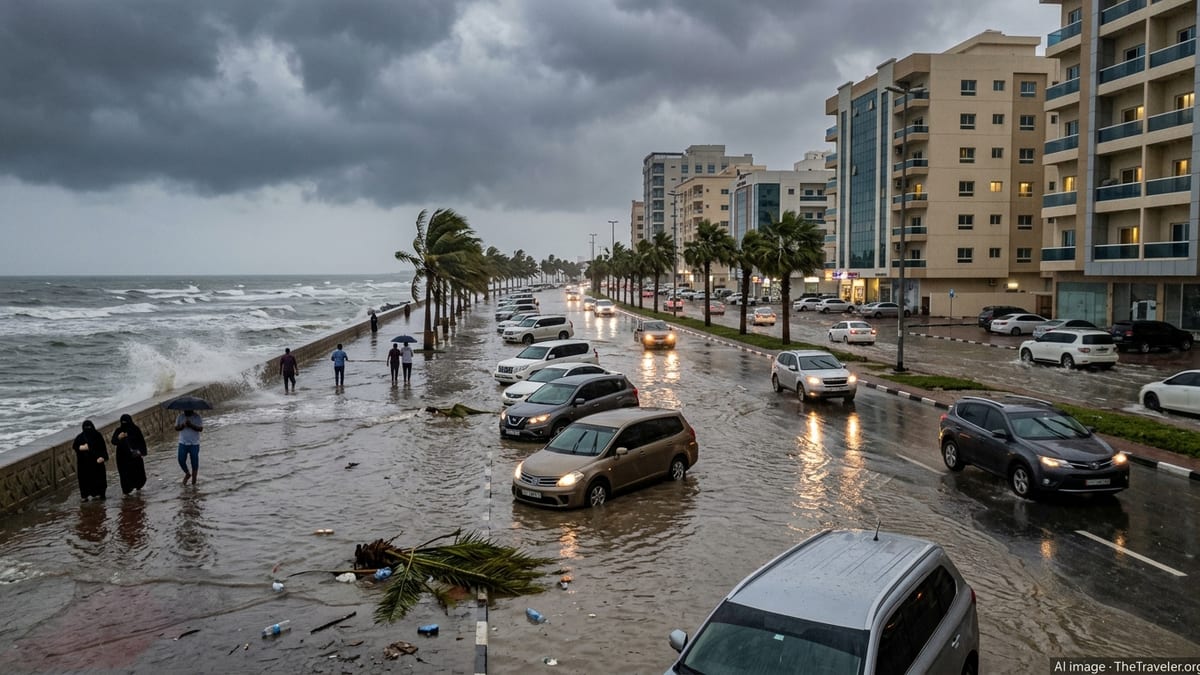
Mayor’s Warning as Storm System Targets New York City
According to recent local coverage and city alerts, Mayor Zohran Mamdani called attention to the potential for rapidly deteriorating conditions as a potent storm system approaches New York City. The advisory highlights risks from intense rainfall, localized flooding and dangerous wind gusts that could affect neighborhoods across all five boroughs.
Publicly available information shows that the mayor’s message centers on a simple directive: if conditions become severe, people should remain indoors and avoid unnecessary travel. The guidance is aimed at reducing injuries from falling debris, hazardous road conditions and sudden flooding in low lying areas that have seen repeated water issues during past heavy rain events.
City communications indicate that the warning applies both to residents and visitors, including the large number of travelers moving through New York at the height of the summer season. The city’s tourism and transit hubs, from airports to major rail stations, are expected to experience delays as the storms progress.
Reports from regional forecasters point to the possibility of short notice changes in the storm’s track and intensity, a factor that has prompted officials to reinforce the importance of staying informed through trusted weather and emergency channels.
Travel Disruptions Likely Across Air, Rail and Road
With the storm system approaching one of the busiest transport corridors in the United States, travel impacts are already a central concern. Published forecasts for the New York metropolitan area describe periods of heavy rain, low visibility and gusty winds that can quickly ripple across airline schedules and congested highways.
Air travelers heading into or out of New York area airports are being advised, through carrier advisories and media reports, to anticipate delays and potential cancellations as storms move through. Strong crosswinds, lightning and reduced visibility often trigger ground stops and schedule reshuffling during significant weather events around the city’s major airports.
On the ground, the combination of intense rainfall and existing drainage issues raises particular concern for motorists. Publicly available transportation updates note that ponding on highways, deeper water on underpasses and sudden flooding on parkways near rivers and bays are all realistic scenarios if heavier bands of rain stall over parts of the city.
Rail and subway systems also remain vulnerable. Past storms have led to water intrusion in tunnels, slowdowns on certain lines and the temporary closure of individual stations. Current reports emphasize that travelers should build extra time into itineraries and be prepared for rerouted services, especially in low lying or waterfront areas.
City Infrastructure and Flood Risk Under Scrutiny
The latest storm threat again places New York City’s infrastructure resilience in the spotlight. In recent years, a series of intense rain events has overwhelmed drainage systems and highlighted vulnerabilities in basements, below grade transit and older housing stock. According to recent analyses and local coverage, even short periods of extreme rainfall can generate flash flooding in areas with limited stormwater capacity.
Publicly available planning documents show that the city has been expanding flood mitigation efforts, from upgraded drainage projects to resilience initiatives in waterfront neighborhoods. However, the pace of climate related change and the growing frequency of heavy downpours continue to challenge those investments, particularly when multiple systems such as transport, power and emergency response are affected at the same time.
The current advisory from Mayor Mamdani reflects concern that strong storms arriving during warmer months can catch people off guard, especially in a city where walking, biking and outdoor activities are integral to daily life and tourism. The recommendation to stay indoors if conditions become severe is framed as a practical safety measure while crews respond to any localized damage.
Observers note that recent storm seasons have prompted broader conversations about long term adaptation, including building standards, basement occupancy and the role of green infrastructure such as rain gardens and expanded tree canopy to absorb and slow runoff during intense weather.
Guidance for Residents and Visitors as Conditions Evolve
As the storm system approaches, New Yorkers and visitors are being urged through media reports and public advisories to monitor updated forecasts, avoid flooded areas and adjust plans where possible. Simple steps such as securing outdoor furniture, checking flashlights and ensuring mobile devices are charged are being promoted as practical measures ahead of potential power fluctuations or localized damage.
Travelers planning to explore New York’s outdoor attractions, waterfront parks or open air events are encouraged to have backup indoor options and to stay alert to changing skies. Tourism focused coverage points out that many of the city’s museums, cultural venues and indoor food markets can provide shelter and flexibility during periods of heavy rain and strong wind.
For those who must move around the city during the storms, available guidance recommends using caution around construction sites, scaffolding and tree lined streets, where strong gusts can send debris or branches into pedestrian routes. People are also reminded not to attempt to walk or drive through standing water, which can conceal open manholes, uneven pavement or deeper currents.
With forecasts indicating that conditions could shift quickly, the emphasis from city messaging and regional reporting remains on individual awareness and flexible planning. The core of Mayor Mamdani’s warning, urging people to stay indoors if the weather turns severe, aligns with that broader push for caution as New York navigates another volatile storm system.