


More news on this day
Rail passengers in the West Midlands are being urged to avoid non-essential journeys as a rare red weather warning for extreme heat raises the risk of disruption, infrastructure damage and heat-related illness across the region.
Get the latest news straight to your inbox!
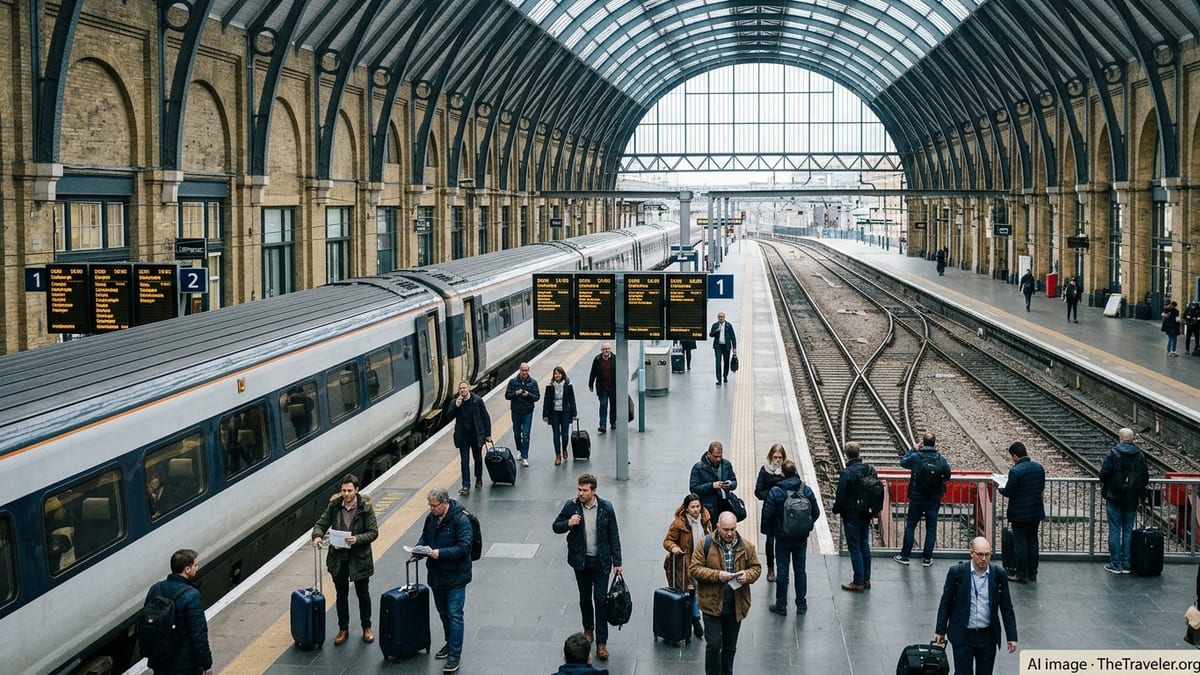
Rare red heat alert raises travel and safety concerns
The Met Office has issued a red warning for extreme heat covering large parts of central and southern England and Wales, including sections of the West Midlands. Publicly available information indicates that the warning, which signals a risk to life and serious disruption to essential services, is in place for the middle of the week as temperatures climb toward record-breaking levels.
The UK Health Security Agency has also activated the highest tier of its heat-health alert system for affected areas, reflecting concerns about pressure on health services and increased danger for vulnerable groups. Previous national monitoring has linked even lower-level alerts with significant additional deaths during hot spells, and the current episode is expected to push temperatures well above seasonal norms.
Transport reports highlight that prolonged heat is likely to affect power networks, roads and railways simultaneously. For rail operators in the West Midlands, this combination raises the risk of speed restrictions, short-notice cancellations and stranded services, particularly on busy intercity and commuter routes.
Travel industry coverage shows that red alerts of this kind remain unusual in the UK, although they are becoming more frequent as summers trend hotter. Forecasters and transport planners are treating this episode as one that could rival or exceed previous severe heatwaves in terms of impact on infrastructure and passenger comfort.
Rail operators urge only essential journeys
In response to the red weather warning, rail operators serving the West Midlands are advising customers not to travel unless their journey is essential. Service updates indicate that passengers who do choose to travel should expect fewer trains, slower journeys and a higher likelihood of last-minute changes to timetables.
According to recent rail industry briefings, hot weather can push rail temperatures 20 degrees higher than the surrounding air, increasing the risk that tracks can expand and buckle. To manage that risk, operators typically impose extensive speed restrictions, which in turn reduce capacity and create knock-on delays across wider parts of the network.
Recent guidance from Network Rail and train companies has stressed the importance of checking live journey planners before setting out and being prepared for longer travel times. Passengers are being advised to carry water, avoid peak heat in the middle of the day wherever possible and be ready for station crowding if services are reduced at short notice.
For those holding advance tickets, publicly available information from operators on other parts of the network facing the same heatwave suggests that passengers may be allowed to travel earlier or later in the day to avoid the worst conditions. West Midlands travellers are being encouraged to review the latest terms from their specific train company before making changes.
Infrastructure under strain as temperatures climb
The red warning focuses attention on how heat affects the physical railway in the West Midlands and beyond. Industry technical briefings note that steel rails absorb solar radiation quickly and can exceed 50 degrees Celsius during intense sunshine, creating a risk that the track geometry changes enough to compromise safety.
Control centres will be monitoring track-side weather stations and adjusting operating plans as temperatures rise. On some corridors, this may mean slowing trains well below their usual line speeds or withdrawing services entirely if track sections or power systems become unstable.
Beyond rails, overhead power lines and signalling equipment can also suffer in persistent heat. Reports from previous UK heatwaves describe sagging electrical cables, faults to lineside cabinets and issues with points and junctions that lead to cascading disruption. With multiple operators sharing key routes through Birmingham and surrounding hubs, a single fault can quickly spread delays across the region.
Road and air travel are also expected to feel the strain, with surface melting and runway performance both identified as potential concerns in national forecasts. However, rail remains a focal point for resilience planning, as many West Midlands commuters and leisure travellers depend heavily on trains for regional and long-distance journeys.
Impact on commuters, leisure travellers and events
The timing of the red heat warning coincides with a busy period for summer events, tourism and leisure travel across the West Midlands, amplifying the disruption for passengers. Local coverage points to festivals, sports fixtures and school trips that rely on rail links into Birmingham, Coventry, Wolverhampton and key market towns.
Commuters face difficult decisions about whether to attempt journeys that may be uncomfortable and unreliable. Discussions within passenger forums and travel communities suggest that some workplaces are relaxing office-attendance expectations during the peak of the heat, while others are maintaining normal schedules and leaving staff to navigate reduced services.
For visitors, the advice not to travel risks last-minute changes to holiday and day-trip plans. Travel commentators note that people with flexibility are being encouraged to rearrange journeys for earlier in the morning, later in the week or after the most intense phase of the heatwave has passed.
Accessibility advocates have highlighted that disruption can disproportionately affect passengers who rely on step-free access, pre-booked assistance or air-conditioned rolling stock. When services are cancelled or substituted with older trains or road coaches, it can become substantially harder for some travellers to complete essential journeys safely.
Planning ahead and staying informed
Publicly available safety guidance for hot weather recommends that anyone who must travel by rail during the red warning takes extra precautions. Advice from health and local government sources stresses staying hydrated, wearing light clothing, using sunscreen and seeking shade at stations where possible.
Passengers are being urged to check journey planners and operator updates repeatedly throughout the day, as conditions on the network can change quickly in extreme weather. Messaging from the wider rail industry indicates that real-time information channels are likely to be updated frequently as temperatures rise and operational decisions are revised.
Consumer groups have also reminded passengers of their rights when services are heavily disrupted, including the ability to claim refunds or compensation in some circumstances. However, reports focusing on previous severe-weather episodes note that during red alerts, operators may adjust policies in ways that prioritise safety over strict adherence to usual obligations.
For now, the central message to West Midlands rail users is to treat the red heat warning as a serious signal of risk. By avoiding non-essential journeys, planning carefully and adjusting travel where possible, passengers can reduce pressure on a network that is set to face one of its toughest tests of the summer.