


More news on this day
Severe thunderstorms across southeast England have triggered major and continuing disruption at London Heathrow and London Gatwick, with hundreds of flights cancelled and many more delayed as airlines struggle to restore normal schedules.
Get the latest news straight to your inbox!
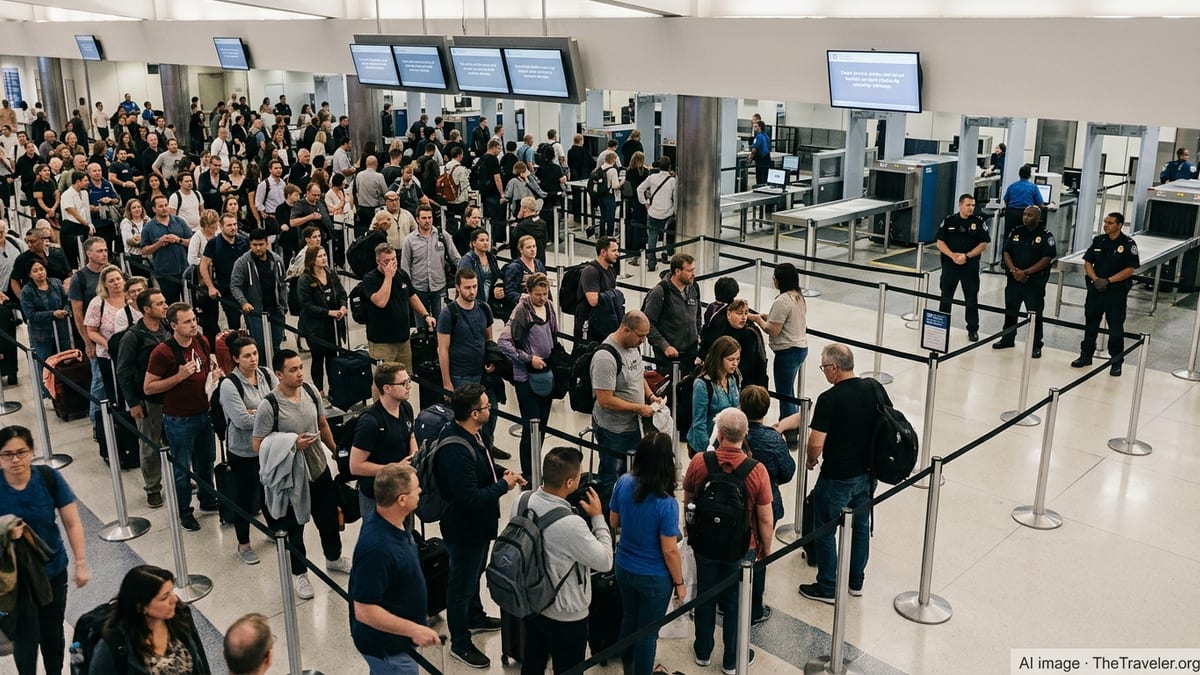
Storms Trigger Major Disruption Across London’s Two Busiest Hubs
Published coverage over the weekend indicates that lightning storms and intense rainfall on Saturday 27 June have severely impacted operations at Heathrow and Gatwick, two of Europe’s busiest airports. Temporary air traffic control restrictions were introduced as the weather system passed over southeast England and parts of mainland Europe, sharply cutting arrival and departure capacity.
Flight tracking data cited by multiple news outlets shows that more than 900 flights in and out of the two airports were affected on Saturday alone, with delays running to several hours on many routes and a significant number of outright cancellations. At Heathrow, figures referenced in reporting point to hundreds of delayed services and well over one hundred cancellations, while Gatwick has recorded more than 400 delayed flights and close to 100 cancellations.
Operational summaries from the airports and air navigation service provider NATS describe the restrictions as a direct response to safety concerns during active thunderstorms. As the weather cell moved across key air corridors, controllers reduced the number of aircraft permitted to land and take off, creating bottlenecks that quickly rippled through already busy weekend schedules.
The latest publicly available information on Sunday 28 June indicates that, although storms have moved away, disruption remains significant as airlines work through backlogs of displaced aircraft and crew, and attempt to rebook stranded passengers.
Passengers Face Long Delays, Diversions and Overnight Stays
Accounts collected from social media posts and traveller forums describe passengers held on aircraft for several hours, diverted to alternative airports or facing overnight stays far from their original destination. Some long-haul services into Heathrow diverted to regional airports when arrival slots in London temporarily disappeared, according to widely shared flight-tracking screenshots.
At Gatwick, short-haul leisure routes appear to have been particularly affected, with reports of waiting times of four hours or more on board aircraft before flights were eventually cancelled or reassigned. Coverage from broadcasters such as the BBC and ITV highlights cases where families saw holiday departures pushed back deep into the evening or shifted to the following day.
Hotel capacity around both airports has reportedly come under pressure, with travellers noting online that many properties within easy reach of Heathrow and Gatwick were fully booked on Saturday night. With school holidays approaching and aircraft already operating near full, the scope for immediate rebooking has been limited, heightening frustration among passengers attempting to salvage weekend plans.
Publicly available guidance from passenger rights organisations stresses that, while thunderstorms and associated air traffic restrictions are typically classified as extraordinary circumstances beyond an airline’s direct control, carriers must still provide care in the form of meals, refreshments and, where necessary, accommodation and transport between the airport and hotel.
Knock-on Effects Expected to Continue Into the New Week
While Saturday’s storms represented the peak of the disruption, operational data and airport advisories suggest that the impact will extend into Sunday 28 June and potentially beyond. Aircraft and crew are out of position across European and long-haul networks, and some airlines are expected to proactively trim schedules to create space for recovery.
Recent operational patterns at Heathrow and Gatwick in June 2026 show that both airports have been running very close to capacity, leaving limited room to absorb major shocks. Earlier in the month, publicly reported statistics already pointed to elevated levels of delays at Heathrow during busy weekends, driven by a combination of high passenger volumes, tight turnaround times and occasional air traffic control constraints.
Industry analysts note that, in such an environment, a single day of severe weather can have an outsized impact. When arrival rates are cut for several hours, arriving aircraft may be forced into holding patterns or diversions, while departures wait for clearance in long queues, creating a chain reaction that can take multiple days to unwind.
Passengers with flights scheduled for Sunday and Monday are being urged, in widely available public advice, to monitor airline communications closely, arrive early at the airport where travel is essential, and prepare for the possibility of re-routing or extended layovers as carriers rebuild their timetables.
Airlines and Airports Outline Recovery Measures and Passenger Options
Public statements and web updates from Heathrow, Gatwick and several major airlines serving the airports describe a focus on restoring core services while offering flexibility to affected travellers. Airlines have broadly encouraged customers whose plans are not time-sensitive to rebook for later dates, helping to free up seats for those who need to travel immediately.
Some carriers are offering free date changes within a defined window, subject to availability in the same cabin, while refund options remain in place for cancelled flights according to standard fare rules and applicable consumer regulations. Airport passenger-information pages continue to direct travellers to check their individual flight status before leaving for the terminal, given the fast-moving nature of the situation.
Operationally, airlines are expected to prioritise long-haul and key connecting services, which can have large downstream impacts on global networks if they remain disrupted. Shorter European and domestic routes may see further tactical cancellations or consolidation as carriers concentrate resources on restoring widebody operations and repositioning aircraft to where they are most needed.
Ground handling teams at both airports are also working through knock-on effects, including the backlog of delayed baggage and the need to re-coordinate stand allocations as aircraft arrive and depart outside their usual time slots.
What Travellers Should Do If They Are Affected
Travel experts and consumer advocates are advising passengers booked to travel through Heathrow or Gatwick over the coming days to take several practical steps. The most consistent recommendation in publicly available guidance is to rely on official airline channels, such as mobile apps, SMS alerts and airport departure boards, for the latest information on specific flights.
Where a flight has been cancelled, travellers are generally entitled to choose between a refund or rebooking at the earliest opportunity on the same airline, subject to seat availability. In some cases, airlines may also offer re-routing via alternative airports or partner carriers to complete the journey, particularly for long-haul itineraries involving connections.
Those experiencing substantial delays are encouraged to keep receipts for meals, transport and other reasonable expenses incurred while waiting, in case partial reimbursement is available under airline policies or local regulations. However, observers stress that compensation payments may not apply when the root cause is classified as severe weather, even though care obligations still stand.
With the peak summer travel period approaching, the disruption at Heathrow and Gatwick serves as a reminder of the vulnerability of tightly scheduled aviation networks to sudden bouts of extreme weather. For now, publicly accessible forecasts suggest an improvement in conditions in the days ahead, but recovery for thousands of disrupted passengers is expected to take considerably longer.