


More news on this day
Travelers moving through Nashville International Airport faced significant disruptions as at least 178 flights were delayed and three were canceled, snarling connections across the United States, Canada, Mexico, the Dominican Republic and the United Kingdom.
Get the latest news straight to your inbox!
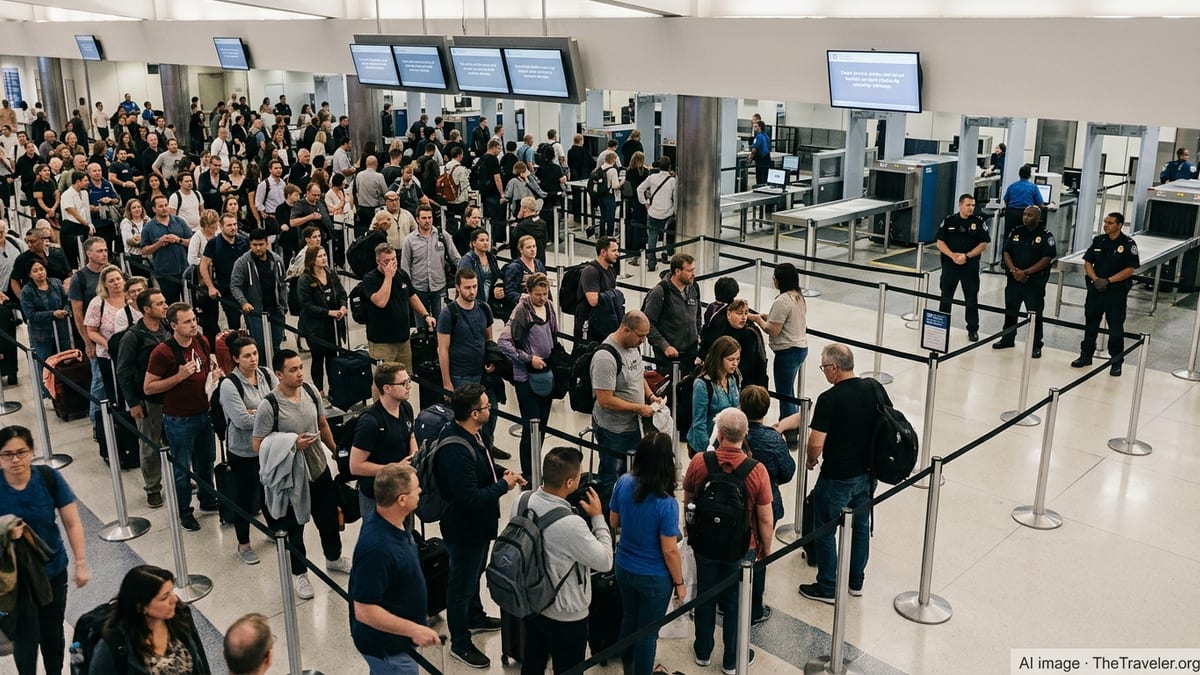
Ripple Effects Centered on Nashville International Airport
Publicly available tracking data for June 27 and June 28 indicates an elevated level of disruption at Nashville International Airport, with delays affecting early-morning arrivals and departures and cascading into later banks of flights. Airlines with a substantial presence at the airport, including Southwest, American, Delta and other domestic carriers, showed longer-than-usual gaps between scheduled and actual gate times.
Operational statistics compiled over recent months show that carriers at Nashville typically maintain relatively strong on time performance, but summer schedules and heavier traffic volumes have tightened margins. Analysis of Delta operations at Nashville, for example, shows average delays in the mid-teens in minutes, suggesting that even modest weather or airspace constraints can quickly push the system into rolling tardiness when aircraft and crews are tightly scheduled.
The latest disruptions followed that pattern. As morning departures slipped behind schedule, aircraft scheduled to operate multiple legs through the day arrived late for subsequent turns, pushing back departure times for flights that otherwise did not face local weather or technical issues. Passengers connecting through Nashville reported missed onward services and extended layovers across the network.
Discussion in traveler forums focused on familiar pressure points: gate changes, crew timing limits and the challenge of recovering punctuality during peak summer weekends. Recent social media posts from passengers using the airport described a noticeable uptick in delayed departures through June, aligning with broader U.S. system trends.
Southwest, American, Delta and Partners Among the Hardest Hit
Southwest Airlines, the largest single carrier at Nashville, saw a series of short but compounding delays on Saturday and Sunday departures. Flight trackers showed multiple early services pushing back between 20 and 60 minutes, especially on high frequency business and leisure routes into the U.S. Southeast and Mid-Atlantic. Because Southwest uses many aircraft on multi segment daily rotations, initial delays on the first legs had knock on effects across the rest of the schedule.
American and Delta, which operate significant connecting traffic through larger hubs, also faced challenges. Data from recent days showed extended gate holds on some Nashville departures to Dallas Fort Worth and Atlanta, with arrival delays at those hubs then flowing through to onward services across the United States, Canada and Mexico. Codeshare partners such as British Airways and Aer Lingus appeared in delay logs where their marketed flights were operated by U.S. carriers under shared flight numbers.
Regional affiliates feeding passengers into the major networks were similarly affected. Flights operated on behalf of American and Delta into Nashville showed late departures from origin airports and arrival times bumping into subsequent departure windows. This created tight connections for travelers heading on to international gateways, and in some cases required rebooking onto later flights when minimum connection times could not be met.
Jazz, a key regional operator in Canada, was among the carriers indirectly impacted as delays through U.S. hubs reduced the reliability of cross border itineraries. Passengers connecting between Canadian cities and Nashville via major U.S. hubs encountered missed flights and, in isolated cases, overnight stays when evening departures could not be re accommodated.
International Links to Canada, Mexico, the Dominican Republic and the UK Disrupted
The timing of the Nashville disruptions coincided with the busy start of summer holiday travel, affecting long planned trips to resort and city destinations. Flight schedules published by Nashville International Airport show a mix of nonstop and connecting options to Canada, Mexico, the Caribbean and Europe, often relying on a combination of mainline and regional partners.
Services to Canadian cities were among those experiencing knock on delays as aircraft and crews cycled through U.S. hubs. Recent board materials from the airport operator highlight that transborder routes have already been sensitive to traffic and tariff changes, so any further day of irregular operations can significantly affect seat availability and connection quality for the relatively small number of daily flights.
Flights serving Mexico and the Dominican Republic were also vulnerable. Ongoing security and weather related disruptions at some Mexican and Caribbean airports earlier in 2026 had already left carriers operating tighter schedules and more cautious contingency plans. When weekend delays in the U.S. domestic network constrained aircraft and crew positioning, some southbound flights from U.S. hubs either departed late or were trimmed from the schedule entirely, contributing to the three recorded cancellations linked to the current wave of disruptions.
Travelers bound for the United Kingdom experienced issues mainly through connections onto British Airways services at major gateways. Nashville’s route map shows nonstop transatlantic links and frequent connecting itineraries via East Coast airports. When feeder flights from Nashville arrived behind schedule, passengers with onward flights to London and other UK cities faced hurried transfers, missed boarding and, in some cases, involuntary rerouting onto later departures.
Weather, Congested Airspace and Staffing Combine to Slow Operations
While no single nationwide ground stop was evident, the pattern of delays at Nashville and other affected airports points to a familiar mix of contributing factors. Seasonal thunderstorms in parts of the eastern and central United States restricted departure and arrival rates at several hub airports, triggering traffic management initiatives that slowed the flow of aircraft into already busy airspace.
Information published by the Federal Aviation Administration on current restrictions shows that controllers periodically reduced arrival and departure capacity at select facilities through June to maintain safety in adverse weather and to manage available staffing levels. Even modest reductions in hourly movement rates at one or two large hubs can cause ripples across the network, particularly on peak summer weekends when schedules run close to maximum utilization.
Industry wide staffing constraints, especially in air traffic control, have been a recurring theme in recent travel seasons. Traveler discussions and earlier advisories related to Nashville have referenced temporary ground delay programs at the airport tied to controller availability, with passengers encouraged to monitor airline communications closely on days when the system is under strain.
On the airline side, tight crew scheduling has also limited flexibility. When storms or airspace restrictions push flights past duty time limits, carriers must either find replacement crews or cancel and rebook affected services. Recent reports of multi hour delays at several major U.S. carriers, including instances where flights were postponed by more than half a day due to crew rest requirements, illustrate how quickly small schedule disruptions can escalate into lengthy waits for passengers.
What Travelers Can Expect in the Days Ahead
Based on published travel alerts and historical performance data, carriers are signaling that elevated disruption is likely to continue during periods of active summer weather, particularly around major holiday weekends. American Airlines, for example, has issued recent system wide notices covering travel between June 26 and June 28, allowing some passengers to adjust itineraries without change fees when severe weather is forecast to affect their routes.
For passengers flying through Nashville in the coming days, the experience will depend heavily on the evolving weather pattern and the ability of airlines to reposition aircraft and crews after the latest round of delays. If conditions stabilize, the backlog of misaligned aircraft and rescheduled crews can typically be cleared within a day or two, returning on time performance closer to seasonal averages.
Travel experts and frequent flyers monitoring performance at Nashville recommend building in additional buffer time for connections, especially for itineraries that involve international segments or last departures of the day. Early morning flights from Nashville can offer a modest reliability advantage, since aircraft and crews have had overnight time to reset rather than relying on multiple inbound legs the same day.
While the current tally of 178 delays and three cancellations is notable, it remains below the levels seen during major nationwide weather events or system outages earlier in the decade. Even so, the episode underscores how a combination of regional storms, constrained staffing and tightly packed schedules can quickly disrupt travel plans for thousands of passengers across the United States, Canada, Mexico, the Dominican Republic and the United Kingdom.