


More news on this day
Thunderstorms sweeping across North Texas on Friday triggered widespread disruption at Dallas Fort Worth International Airport, where nearly 1,000 flights were reported delayed as airlines and air traffic controllers worked to navigate the fast‑changing weather.
Get the latest news straight to your inbox!
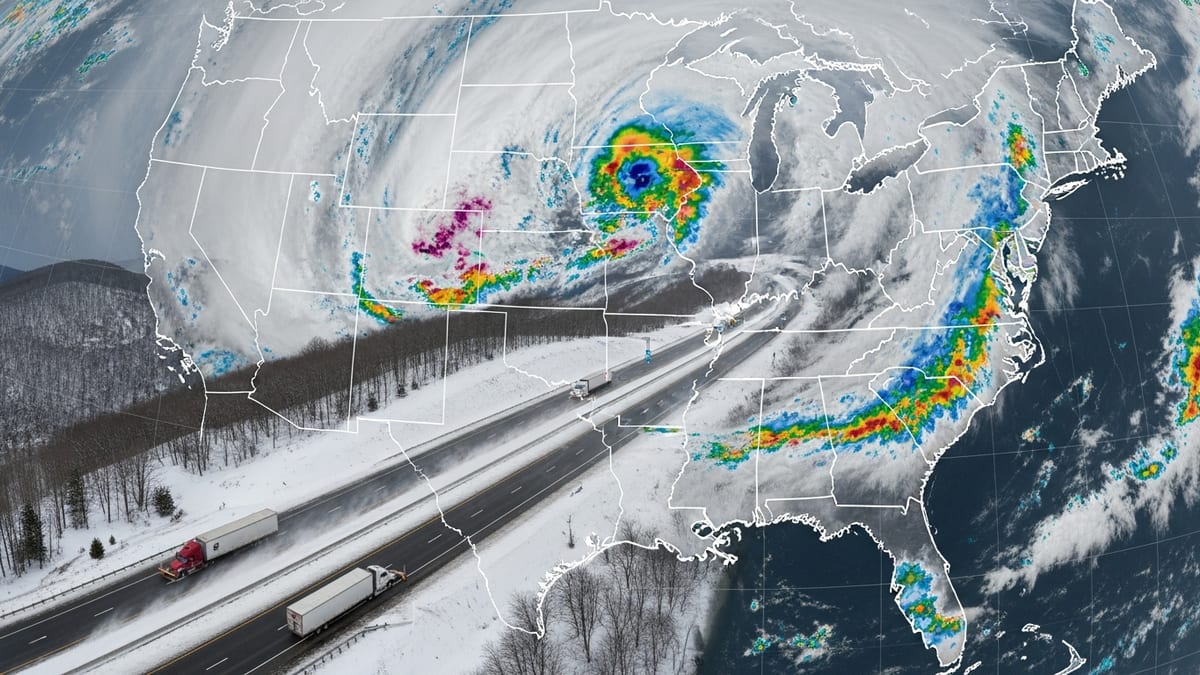
Thunderstorms Lash North Texas Travel Hub
Publicly available flight tracking data and local media coverage indicate that storms moving through the Dallas Fort Worth area on Friday afternoon and evening led to major operational challenges at one of the nation’s busiest hubs. Heavy rain, low clouds and lightning in the vicinity of Dallas Fort Worth International Airport (DFW) periodically slowed arrivals and departures, contributing to long queues on taxiways and in terminal gate areas.
Radar imagery and National Weather Service forecasts for the region showed clusters of strong thunderstorms developing and redeveloping along a boundary near the Metroplex, periodically pushing through the airspace used by DFW arrivals and departures. As those cells intensified, air traffic managers reduced the rate at which aircraft could safely land and take off, and airlines adjusted schedules, resulting in a sharp spike in delays.
By late evening, aggregated data from flight tracking platforms pointed to nearly 1,000 delayed flights touching DFW in some way, including aircraft departing the airport, inbound services holding or diverting, and connections backed up across airline networks. Cancellations remained a smaller share of the disruption, but extended delays effectively wiped out travel plans for many passengers who missed onward connections.
The disruption underscored how quickly summer‑season storms can ripple through a large hub’s tightly timed operations, even when severe weather is localized and short‑lived rather than part of a major regional outbreak.
Knock‑On Effects Across Airline Networks
Because DFW functions as a primary connecting hub for American Airlines and a key node in several domestic and international route maps, delays there tend to propagate across the broader system. According to published coverage and operational data, aircraft scheduled to arrive in Dallas were themselves held or slowed en route, which then delayed their next departures from DFW and other cities.
Travelers reported missed connections and unplanned overnight stays in Dallas and at outstations as crew duty limits were reached and aircraft fell out of position. As the delay bank built through the day, recovery became more complex, with some late‑evening flights pushed into the early hours or removed from schedules altogether.
Industry analysts note that this pattern is common during intense storm days at hub airports. When a thunderstorm cell temporarily reduces capacity, the immediate effect is felt on that day’s departures and arrivals, but the secondary effect can linger into the next morning, as airlines work to reset aircraft rotations and crew schedules.
In this case, the heavy concentration of connecting itineraries at DFW meant that even travelers on flights that ultimately departed were at risk of misconnecting to their final destinations, particularly on transcontinental and international routes that only operate once per day.
Passenger Experience: Long Waits and Limited Options
Accounts shared on social media and online forums on Friday described long lines at customer service desks, crowded gate areas and repeated schedule changes as rolling storms moved through North Texas. Many passengers reported multiple incremental delay notifications over several hours, followed by sudden gate changes or aircraft swaps when operational windows briefly opened.
For some travelers, the greatest frustration appeared to be uncertainty rather than the weather itself. With storms affecting different parts of the region at different times, flights that briefly showed on‑time status could quickly slip back into delay as air traffic managers adjusted flows into and out of DFW. The resulting stop‑and‑start pattern left some travelers seated on aircraft waiting for a departure slot, while others remained in terminals monitoring shifting departure boards.
Airlines encouraged customers to use mobile apps and self‑service tools to rebook and track baggage, but heavy demand at peak periods slowed digital channels as well. Passengers with more flexible itineraries were often able to reroute through alternate hubs, while those bound for smaller communities with limited service had fewer same‑day options.
Available information on Friday night suggested that, as storms gradually weakened and moved east, operations at DFW began to stabilize, though residual delays were expected to continue into the late‑night and early‑morning hours.
DFW’s Vulnerability to Fast‑Changing Weather
Dallas Fort Worth International routinely ranks among the world’s busiest airports by passenger volume, with a complex web of intersecting runways and high‑frequency banked flight schedules. Aviation specialists often point out that such hubs are particularly sensitive to short‑notice weather disruptions, because there is little slack built into peak‑period operations.
Historical data from recent storm seasons show that lines of thunderstorms moving across North Texas can quickly trigger ground stops or ground delay programs at DFW, especially when lightning and low visibility coincide. When that occurs, even a relatively brief restriction in arrival or departure rates can push dozens of flights out of their planned time slots.
The airport and airlines have invested in increasingly sophisticated forecasting tools and collaborative decision‑making processes designed to anticipate and mitigate these impacts. Nevertheless, rapidly evolving storm cells, like those affecting the area on Friday, remain challenging to manage in real time, particularly during high‑demand travel periods.
Analysts note that climate and weather trends pointing to more frequent episodes of heavy rain and severe thunderstorms across parts of the United States could continue to test major hub airports such as DFW, prompting ongoing reviews of contingency planning and staffing strategies.
What Travelers Can Expect Next
Publicly available forecasts for North Texas indicate that additional showers and thunderstorms are possible through the weekend, though timing and intensity will determine whether they significantly affect flight operations. Airlines operating at DFW are expected to monitor evolving conditions closely and adjust schedules, routings and crew assignments as needed to clear remaining backlogs.
Travel experts typically advise passengers booked through large hubs during active weather patterns to build extra time into their itineraries, avoid tight connections where possible and watch for flexible travel waivers that sometimes accompany major disruption events. On days with widespread delays, early‑morning departures are often less affected than afternoon and evening banks, when storms are more likely and aircraft utilization is highest.
For DFW specifically, recent events highlight the importance for travelers of staying informed through multiple channels, including airline apps, airport information screens and automated alerts. While Friday’s storms may be short‑lived in meteorological terms, their impact on one of the country’s busiest aviation hubs will likely be felt by affected passengers well beyond the end of the weather event itself.