


More news on this day
Travelers at Cleveland Hopkins International Airport faced cascading disruptions on June 15, 2026, as Frontier, United, PSA Airlines, Delta Air Lines and Endeavor Air scrubbed 13 flights and registered numerous delays tied to severe weather sweeping major U.S. hubs.
Get the latest news straight to your inbox!
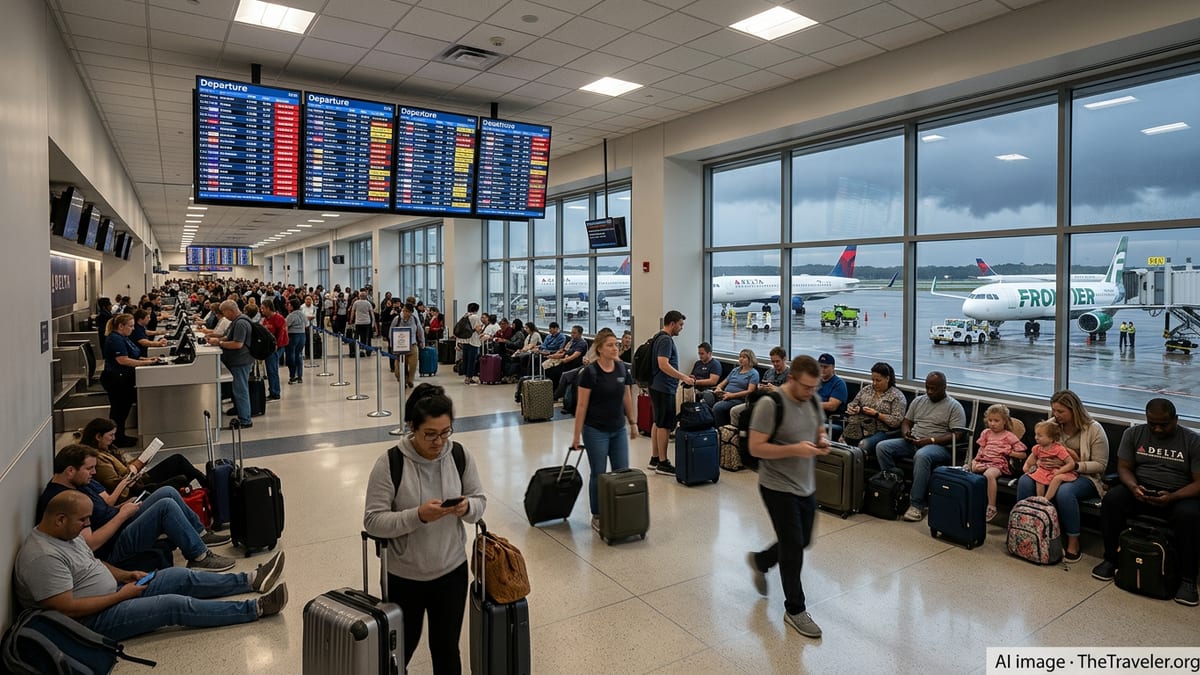
Weather Turbulence Turns Into Operational Turmoil
Publicly available tracking data and industry reports indicate that a fast-moving storm system across the Midwest and East Coast triggered extensive delays and cancellations on Monday, leaving passengers at Cleveland Hopkins and airports nationwide scrambling to rebook. At Cleveland, 13 flights operated by Frontier, United, Delta and their regional affiliates PSA Airlines and Endeavor Air were reportedly canceled, with additional services departing late or arriving behind schedule.
The pattern at Cleveland reflected a broader national picture. Flight-tracking services showed hundreds of delays and cancellations within, into or out of the United States by early morning, climbing through the day as storms disrupted operations at major hubs. Airlines faced the dual challenge of managing aircraft already out of position from earlier weather and protecting later banked departures as conditions deteriorated.
Industry observers note that when severe weather hits multiple hubs simultaneously, airlines often consolidate schedules, prioritizing long-haul or higher-capacity routes and suspending shorter regional segments. That dynamic appeared to be in play as regional carriers such as PSA Airlines and Endeavor Air, which operate many of the smaller jets feeding larger hubs, reported a disproportionate share of canceled departures.
Impact Spreads to Baltimore, Charlotte, Raleigh and Denver
Ripple effects extended far beyond Cleveland. According to published coverage and real-time boards, flights linking Cleveland with cities including Baltimore, Charlotte, Raleigh and Denver were among those most vulnerable as the weather front moved through key hub regions. These airports function as major connecting points for Frontier, United and Delta networks, so disruptions at one location quickly multiplied throughout their systems.
At Charlotte Douglas International Airport, a major connection point for PSA Airlines and other regional operators, travelers encountered clusters of cancellations and rolling delays as afternoon storms built. Some Cleveland-bound services and onward connections saw extended waits while crews and aircraft were reassigned from other routes.
Raleigh-Durham and Baltimore Washington airports also experienced schedule strain. Several Cleveland-linked services operated by Frontier and United were shown as significantly delayed or removed from schedules for the day, narrowing options for passengers attempting to reposition through those gateways. Denver, a key westward hub, saw delayed midcontinent departures that further complicated downline operations to and from Cleveland.
For many travelers, the practical effect was missed connections, overnight stays and unscheduled detours through alternate hubs. Throughout the day, airport departure boards across the affected cities showed long rows of delayed indicators, particularly on shorter domestic legs that serve as feeders into large coastal and Midwest hubs.
Regional Partners Carry a Heavy Share of the Disruption
Regional carriers PSA Airlines and Endeavor Air, which operate flights on behalf of larger brands such as American and Delta, appeared to shoulder a sizable portion of the cancellations. Publicly accessible flight records and recent industry analysis show that, during multi-hub weather events, regional flights are often among the first to be cut in order to stabilize mainline schedules.
Endeavor Air, a Delta Connection carrier with a strong presence in Midwest and East Coast markets, saw a spike in disruptions across its network on Monday, adding pressure at hubs that already were working through storm-related backlogs. The combination of tight turn times, smaller fleets and crew scheduling limits can make it harder for regional operators to recover quickly once weather pushes aircraft and staff out of position.
PSA Airlines, which flies under the American Eagle brand, reported cancellations and extended delays across several of its routes in recent days, according to aviation data and traveler accounts. With Charlotte, Raleigh and other eastern airports directly in the path of the unsettled weather pattern, PSA’s short-haul operations feeding into larger hubs experienced particular strain.
For passengers at Cleveland Hopkins, these regional dynamics translated into fewer available options on connecting routes and reduced flexibility to reroute when primary flights were canceled. Even when mainline flights operated, the loss of inbound regional segments made it difficult for some travelers to make their planned connections.
Stress Test for Airline Recovery Plans
The events at Cleveland and other affected airports served as a fresh stress test of airline recovery plans heading into the busy summer travel season. Publicly available performance data for 2026 already show elevated delay averages at several major hubs, reflecting a combination of weather volatility, tight capacity and congested airspace on peak travel days.
Carriers such as Delta, United and Frontier have promoted schedule adjustments and operational investments designed to improve resilience when storms or air traffic control constraints strike. Monday’s cascading disruptions highlighted both the progress and remaining vulnerabilities in these systems, particularly where networks rely heavily on regional partners to feed connecting banks.
Aviation analysts note that once cancellations reach into the double digits at a mid-size airport like Cleveland, recovery can take more than a day, especially if storms linger or pop up again along key corridors. Aircraft and crews displaced on Monday may not be fully repositioned until later in the week, creating the potential for rolling knock-on effects even after skies clear.
Travelers are increasingly encouraged by consumer advocates to build in longer connection windows, monitor their flights via airline apps and flight-tracking services, and consider early-morning departures, which historically face lower rates of disruption before daily weather and traffic backups accumulate.
What Travelers Through Cleveland Should Expect Next
As airlines worked through the June 15 cancellations and delays, schedules at Cleveland Hopkins and affected hubs such as Baltimore, Charlotte, Raleigh and Denver remained fluid into the evening hours. Some carriers added larger aircraft on select routes or adjusted departure times in an effort to consolidate displaced passengers, while others focused on restoring their regular schedules for the following day.
Public information from airport boards and airline status tools suggests that travelers with departures in the next 24 to 48 hours may continue to see gate changes, minor timing shifts and isolated cancellations as networks reset. Those with tight connections through the most heavily affected hubs are advised to monitor itineraries closely and consider alternative routings if seats are available.
The disruptions underline how intertwined domestic air travel has become, with a weather system moving through one region quickly affecting airports hundreds of miles away. For passengers at Cleveland Hopkins and across the country, Monday’s events were a reminder that even routine summer storms can escalate into nationwide schedule turbulence when multiple carriers and their regional partners are operating near full capacity.