

More news on this day
Hundreds of travellers across Germany faced major disruption this week as a fresh wave of aviation strikes and staffing shortages forced Lufthansa, CityJet and other carriers to ground 165 flights and delay more than 100 services, heavily affecting operations at key hubs in Frankfurt, Munich and Stuttgart.
Get the latest news straight to your inbox!
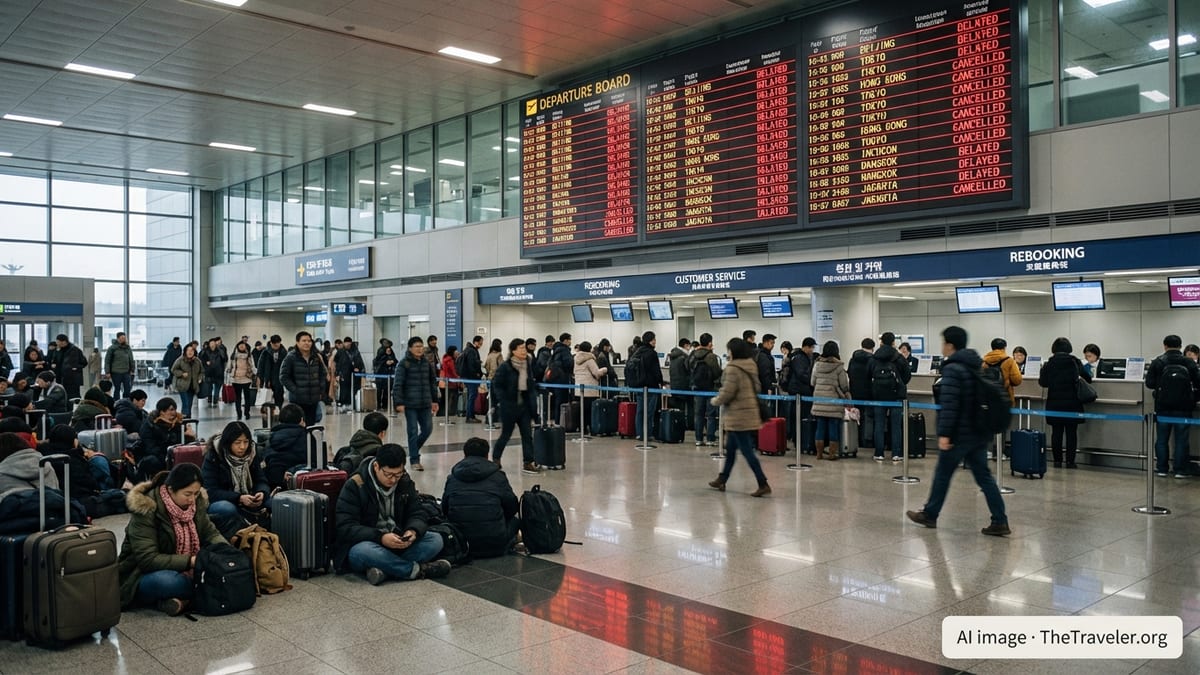
Germany’s Hubs Hit by New Round of Cancellations
Publicly available flight-tracking data for early April 2026 indicates a sharp spike in schedule disruption across Germany, with combined cancellations and long delays concentrated at Frankfurt, Munich and Stuttgart airports. Operational snapshots from multiple tracking platforms show at least 165 flights scrubbed and more than 100 departures running significantly late over a short window, affecting both domestic and European routes.
Lufthansa and its regional partners account for a large share of these disruptions. The carrier has already been dealing with a series of labour disputes since February, and the latest actions have once again reduced its ability to operate the planned timetable from its Frankfurt and Munich hubs. The knock-on effect has flowed into feeder links serving Stuttgart and other secondary airports, as aircraft and crews have been left out of position.
Reports from European aviation outlets describe crowded terminals, extended check in lines and congested rebooking desks as travellers attempted to secure alternative connections. While some passengers were moved onto later services the same day, many others faced overnight stays or re-routed itineraries via alternative hubs as airlines worked within already tight spring schedules.
The operational strain has emerged just as German airports were preparing for a robust summer season. Prior schedule announcements from Lufthansa Group outlined thousands of additional summer flights across its hubs, but the current wave of cancellations underlines how quickly disruption can undermine that planned capacity.
Lufthansa and CityJet Under Pressure
The latest figures highlight the particular exposure of Lufthansa and connected regional operators, including CityJet and CityLine, to staffing and labour tensions. According to published coverage of the current dispute, cabin crew unions have called targeted one day walkouts that encompass all mainline Lufthansa departures from Frankfurt and Munich, while parallel action at regional subsidiaries affects operations at a wider set of German airports.
These labour actions follow earlier stoppages in February and March that had already forced the airline group to cancel hundreds of flights across Germany. Network performance reports for that period pointed to Frankfurt and Munich among Europe’s hardest hit hubs, with widespread schedule thinning required to keep remaining flights running within safety and duty-time limits.
The renewed disruption has added pressure to Lufthansa’s broader restructuring efforts. The group is in the midst of reshaping its short haul network and adjusting regional operations, including winding down certain subsidiaries and redistributing aircraft between hubs. Each strike day reduces operational resilience, leaving the network more vulnerable to secondary issues such as weather or airspace constraints.
For CityJet and other regional partners that operate flights on behalf of larger network airlines, the impact is similarly acute. Reduced crew availability, aircraft rotation challenges and short-notice schedule changes can quickly ripple through thinner regional timetables, particularly on business focused routes linking smaller German cities with Frankfurt, Munich and Stuttgart.
Ripple Effects Across European Routes
The disruption within Germany is interacting with a broader pattern of delays and cancellations across Europe in early April. Recent European operations summaries point to more than 1,600 flight delays and several dozen cancellations in a single day across airports in Spain, Germany, England, Denmark, Türkiye and the Netherlands, involving carriers such as Lufthansa, British Airways, KLM, Ryanair, Turkish Airlines and Vueling.
Within that wider context, the grounding of 165 flights and over 100 delays tied to German hubs is contributing to a cascading effect on cross border itineraries. Missed connections in Frankfurt and Munich can quickly ripple to onward services bound for destinations from Istanbul and Madrid to Copenhagen and Amsterdam, as passengers and baggage fail to make scheduled transfers.
Aviation analysts note that on days when regional delay counts exceed four figures, even relatively modest cancellations in one country can translate into significant network instability. Aircraft may arrive late into Germany from other European hubs, only to face crew shortages or ground handling delays, which then force further schedule adjustments and extend the disruption window beyond the original strike period.
This interconnected pattern has been visible in recent days, with publicly available data showing rolling delays on certain trunk routes linking German hubs to other major European airports. For travellers, that has meant not only longer waits at departure gates, but also a higher risk of missed long haul connections and disrupted multi segment journeys.
Travellers Face Long Queues and Limited Options
First hand accounts shared through public forums and social media platforms describe crowded departure halls and long queues at customer service desks in Frankfurt and Munich as travellers sought rebookings. Some passengers reported being re routed through alternative hubs at short notice, while others received notifications of cancellations only after arriving at the airport.
In several cases, travellers connecting from long haul services into domestic flights to cities such as Stuttgart found their onward segments cancelled due to the strike, requiring overnight stays or rail substitutions. These experiences mirror patterns seen during previous strike periods in Germany, when airlines leaned on train connections or bus transfers to move passengers between major cities once short haul flight capacity was reduced.
Travel rights specialists point out that, under European air passenger regulations, travellers affected by significant delays or cancellations may be entitled to care such as meals and accommodation, and in some circumstances financial compensation. However, the applicability of compensation can depend on whether the disruption is rooted in extraordinary circumstances such as severe weather, or in industrial action and operational decisions under the airline’s control.
With staff shortages and labour disputes playing a central role in the latest disruptions, some passengers may pursue formal claims once their journeys are complete. Consumer advocacy groups routinely encourage travellers to keep detailed records of boarding passes, delay durations and receipts for out of pocket expenses to support any later applications.
What Passengers Should Do Now
Travel industry advisories recommend that passengers due to fly to, from or through Frankfurt, Munich or Stuttgart over the coming days monitor their bookings closely. Airline specific mobile apps and airport departure boards are being updated frequently as carriers refine strike day timetables and adjust aircraft rotations in response to staffing levels.
Many airlines have issued flexible rebooking policies for affected dates, allowing travellers to move their journey within a defined window without change fees, subject to seat availability. In some cases, passengers have been able to switch to alternative routes via other European hubs or to substitute rail travel within Germany when domestic flights were cancelled.
Experts suggest allowing additional time at the airport, particularly for early morning departures when security and check in queues can lengthen quickly during disruption. Travellers with tightly timed connections at German hubs are being advised to consider longer layovers where possible, given the elevated risk of delays spreading across the day.
For those yet to book spring or early summer trips involving German airports, the recent pattern of labour action and operational strain may prompt a closer look at connection times and ticket conditions. Fully flexible fares and itineraries with more generous buffers between flights may carry a higher upfront cost but can provide greater protection if disruption continues to affect Europe’s busiest hubs in the weeks ahead.