


More news on this day
Sydney’s world‑famous Opera House is preparing for a louder and later future, as new state and city planning moves clear the way for larger outdoor concerts to run through to midnight, reshaping the after‑dark soundscape on the harbour.
Get the latest news straight to your inbox!
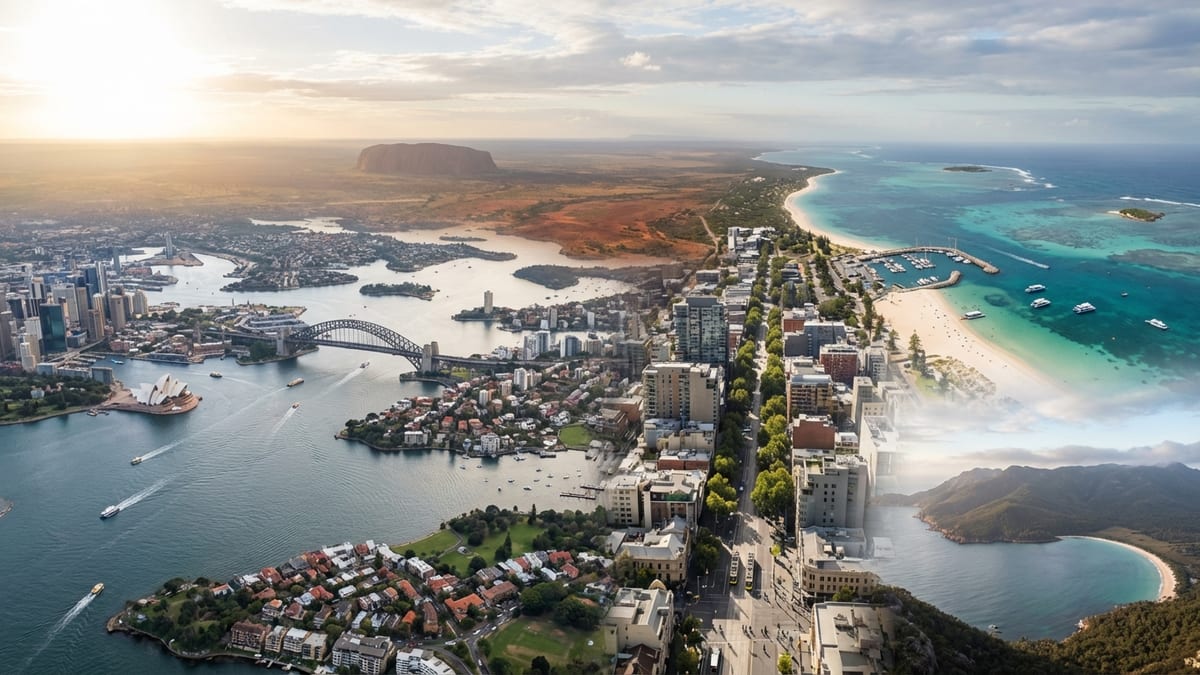
New Rules Turn Up the Volume on the Harbour
Publicly available information indicates that recent regulatory changes in New South Wales are easing long‑standing limits on noise and capacity at major outdoor venues, with the Sydney Opera House forecourt among the highest‑profile beneficiaries. Coverage of the changes describes a shift toward treating concerts at the Opera House in line with other large events across the city, rather than allowing nearby apartment towers to dictate sound settings late at night.
Reporting on the package of measures shows that sound regulations for late‑night concerts at the Opera House forecourt are being lifted so that volume levels can match daytime gigs, ending years of tighter caps once the clock moved past 10pm. The move follows a broader state agenda to rebuild Sydney’s night‑time economy by making it harder for serial noise complaints to curtail entertainment venues and events.
Accounts of the reforms note that the changes arrive after a decade of tension between the Opera House’s role as a global performance landmark and residents in neighbouring luxury apartments, sometimes referred to as “The Toaster,” who have repeatedly raised concerns about amplified shows on the steps and forecourt.
Extended Hours Open the Door to Midnight Concerts
Published coverage of the new framework outlines that major shows at the Opera House forecourt will be permitted to operate across a significantly longer daily window, from early morning until midnight. Previous arrangements typically required amplified outdoor concerts to ease off by 10pm, often leaving headline acts navigating strict decibel limits or curtailed set times in the crucial final hour.
The extension to midnight positions the Opera House to compete more directly with other international waterfront venues that program late‑night festivals and concert series. For visiting artists and promoters, the ability to schedule full‑length evening performances without early cut‑offs is likely to make the harbourside steps a more attractive stop on Australasian tours.
City planning documents and acoustic reports show that local government has been progressively redefining the period from 10pm to midnight as an “early night” slot with relatively high background noise levels in key entertainment precincts. Bringing the Opera House into closer alignment with that model signals an intention to integrate the site more fully into Sydney’s late‑night rhythm rather than treating it as an outlier that must fall quiet while surrounding streets stay busy.
Balancing Nightlife Growth With Neighbour Amenity
The Opera House changes are unfolding alongside a broader recalibration of how Sydney manages tension between nightlife and residential development. State and city policy updates over the past two years have put more onus on new apartment projects to incorporate soundproofing when built near established or designated entertainment areas, rather than requiring existing venues to continually scale back activity.
Government releases and planning statements emphasise that the era in which a handful of repeat complainants could effectively threaten a venue’s viability is intended to be over. From mid‑2024, responsibility for many entertainment noise issues shifted to specialist regulators, with support for both venue compliance and residential noise mitigation such as acoustic upgrades.
For the Opera House precinct, the midnight extension is expected to be accompanied by detailed noise management plans, crowd control measures and transport coordination, reflecting lessons from earlier disputes over concerts on the forecourt. Public documents relating to the site show a long history of conditions on speaker placement, sound monitoring and maximum levels at nearby residences, and these controls are likely to evolve rather than disappear as late‑night activity increases.
From Florence Fines to a New Era of Live Music
Historical accounts of the Opera House’s battles over noise underline how significant the latest shift may prove. Reports note that in 2015 the venue received a substantial fine after residents complained about the volume of a Florence and The Machine performance, an episode that became emblematic of the friction between global‑scale shows and local amenity expectations.
Industry coverage has highlighted that, under the new settings, sound limits will be calibrated to what is considered reasonable for a major public concert rather than being capped at roughly conversational levels near neighbouring buildings. Advocates for live music argue that this approach allows sound engineers to mix shows to professional standards, improving the experience for paying audiences without abandoning monitoring of off‑site impacts.
The Opera House has also navigated previous planning battles over use of its lower concourse and outdoor bars, with resident submissions warning that the site’s acoustics can turn the area into a concrete bowl for amplified sound. Those concerns remain part of the debate, but the latest policy direction indicates that governments now see well‑managed loud events as essential to Sydney’s cultural identity, particularly in the wake of past lockout laws and pandemic‑era shutdowns.
What Midnight Concerts Mean for Travelers
For visitors planning trips to Sydney, the prospect of larger, later and louder concerts at the Opera House changes how an evening on the harbour can look. Travel guides are already flagging the potential for more high‑profile acts to schedule outdoor shows that run right up to midnight, turning the precinct into a focal point for extended nights out that continue into nearby bars, restaurants and waterfront walks.
Midnight‑capable events also dovetail with other major occasions on the city calendar, such as New Year’s Eve, when the Opera House steps are among the most photographed vantage points on the globe. With rules now more accommodating of late‑running performances, future programming is likely to experiment with festival‑style line‑ups, double bills and collaborations that make fuller use of warm evenings on the harbour.
At the same time, the new settings may encourage travelers to think more carefully about where they stay. Accommodation in the thick of the action around Circular Quay and The Rocks offers immediate access to concerts but can be lively late into the night, while hotels slightly further back from the water may appeal to visitors who prefer distance from midnight soundscapes.
As the first seasons of extended‑hour shows roll out, the Opera House is poised to become an even more powerful symbol of Sydney’s attempt to relaunch itself as a true late‑night city, where the lights on the sails are matched by a sound track that runs to twelve o’clock instead of abruptly cutting out at ten.