


More news on this day
The Taliban administration has rejected a new United States travel warning that urges its citizens not to visit Afghanistan under any circumstances, deepening a standoff over how safe the country is for foreign travelers nearly five years after the collapse of the Western-backed government.
Get the latest news straight to your inbox!
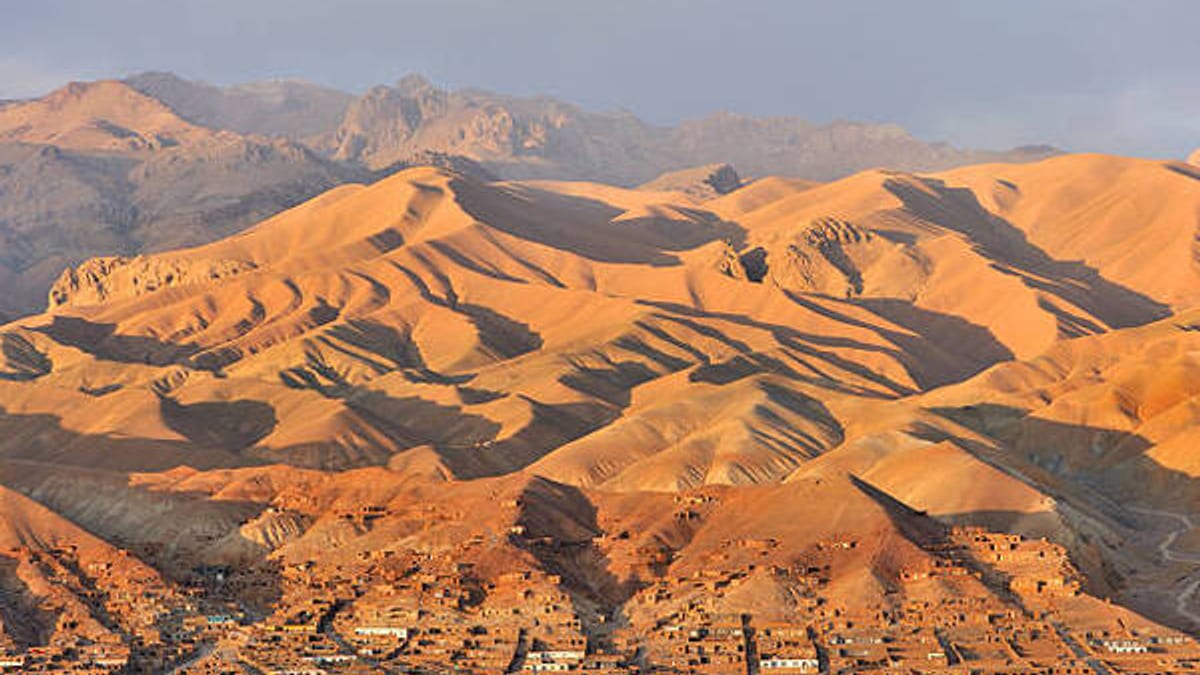
Washington Renews Level 4 Warning for Afghanistan
The U.S. State Department reissued its Afghanistan advisory at Level 4 on February 20, 2026, the highest rating in its global system, urging American citizens already in the country to leave immediately. Publicly available guidance highlights a combination of civil unrest, terrorism, kidnapping, the risk of wrongful detention, natural disasters and severely limited health facilities as key drivers of the decision.
The advisory notes that the United States has no embassy or consulate operating in Afghanistan and states that routine or emergency consular services cannot be provided on Afghan territory. The Kabul embassy was closed in 2021 following the Taliban takeover, and American consular responsibilities for Afghan-related cases now run primarily through diplomatic posts in third countries, including Qatar.
U.S. travel information also points to an elevated risk of monitoring and detention, particularly for dual nationals, travelers associated with non-governmental or faith-based organizations, and individuals perceived to have supported the former Afghan government or foreign military presence. The guidance indicates that the Taliban do not allow welfare checks on detained U.S. citizens and describes detention conditions as harsh, with limited access to medical care.
Alongside security and detention concerns, the advisory underlines broader instability that affects any potential visitor. References to Afghanistan’s ongoing exposure to major earthquakes and strained health infrastructure are presented as additional reasons that travel should be avoided, even for short stays.
Taliban Officials Insist Afghanistan is Safe for Visitors
Taliban representatives have repeatedly rejected foreign assessments that characterize Afghanistan as a significant security risk, and the latest U.S. warning has drawn similar criticism. Statements highlighted in Afghan media coverage describe claims of terrorism threats emanating from Afghan soil as unfounded and argue that no foreign militant groups are allowed to operate openly in the country.
Officials speaking to local broadcasters in 2024 and 2025 emphasized that the current rulers view Afghanistan as capable of hosting visitors without exposing them to cross-border security dangers. They have asserted that groups such as Islamic State’s local affiliate have been suppressed inside the country and that Afghan territory will not be permitted to serve as a base for attacks on other states.
In public remarks reported by regional news outlets, figures within the Taliban administration have framed Western travel advisories as politically motivated and detached from what they describe as improving order on the ground. Their position is that the international community should recognize steps taken to stabilize urban centers and reopen transport links rather than focus solely on militant activity or human rights concerns.
The rejection of Washington’s latest warning fits into a broader pattern in which the Taliban seek to portray Afghanistan as a normalizing state while international partners maintain strict security and human rights benchmarks for engagement. This divergence is now increasingly visible in the realm of travel and tourism, where the Taliban are attempting to cultivate arrivals in direct contrast to Western guidance.
Tourism Push Collides With Western Risk Assessments
Even as U.S. and allied governments maintain their highest-level warnings, the Taliban have intensified efforts to position Afghanistan as a destination for adventurous travelers and religious tourists. Research published in 2026 on post-conflict tourism in Afghanistan, drawing on interviews with Taliban-linked tourism officials and local academics, indicates that the administration has created new structures to develop the sector and work with regional universities on tourism training.
Figures cited in that research and in international news coverage show that documented foreign tourist arrivals, while still modest, have grown since the takeover. A few hundred visitors were recorded in 2021, rising to several thousand by 2023, as specialized tour operators began advertising itineraries to historic centers such as Kabul, Herat and Bamyan, as well as former front-line provinces marketed as symbols of resilience and natural beauty.
The Taliban’s tourism narrative stresses improved road security, reopened hotels and the revival of domestic flight connections. Airlines from neighboring countries have gradually restored some routes into Afghan cities, with notable carriers publicly confirming the resumption of limited services after multi-year suspensions. These developments are presented by the current authorities as evidence that travel is both feasible and increasingly safe.
However, Western risk assessments remain focused on a different set of indicators. Publicly available U.S. and European advisories emphasize the presence of multiple armed groups, the lack of independent oversight of security forces, and restrictions on women, journalists and civil society. These factors are cited as undermining the predictability that many governments consider essential for safe tourism, regardless of whether organized trips are already taking place.
Practical Implications for U.S. and Other Foreign Travelers
For U.S. citizens, the immediate consequence of the latest State Department action is clear: official guidance is that they should not travel to Afghanistan for any reason, including tourism, family visits or business. The advisory explicitly states that those who are already in the country are strongly urged to depart and that the United States has limited tools to assist anyone who encounters difficulties once inside Afghan territory.
The advisory also details administrative complications for cross-border movement. Travelers are warned that Afghan immigration personnel may refuse to recognize visas or passports issued by Afghan embassies and consulates that are not aligned with the Taliban administration, a practice that has become more formalized since mid 2024. Reports indicate that visitors may be required to obtain documents issued or validated by Taliban-linked missions or by foreign governments that have developed working consular arrangements with Kabul.
Currency and financial restrictions add further complexity. Public travel information refers to evolving caps on the amount of U.S. dollars that can be carried out of Afghanistan by air or overland, alongside existing requirements to declare large sums on entry. These rules, described as part of Taliban-led efforts to control capital outflows, could affect anyone planning a visit, particularly travelers who would typically rely on cash due to the limited reach of international banking services in the country.
Other foreign nationals face a similarly fragmented landscape. While some regional governments have maintained diplomatic engagement and permitted controlled trade, many Western countries continue to rely on indirect channels for consular support and advise their citizens against all travel. As a result, overland and air routes into Afghanistan may be technically open but functionally accessible only to those willing to accept substantial legal and personal risk.
Growing Gap Between Taliban Aspirations and International Caution
The clash over the latest U.S. travel warning illustrates a wider disconnect between Taliban ambitions to normalize Afghanistan and the risk calculus of many foreign governments. On one side, the administration in Kabul is highlighting increased tourist numbers, restored flights and what it characterizes as improved security in major cities. On the other, Western advisories continue to treat the country as one of the world’s most dangerous destinations for ordinary travelers.
Human rights concerns lie at the center of this divide. International organizations and foreign ministries regularly point to severe restrictions on women and girls, arbitrary detentions and constraints on media and political dissent as conditions that contribute directly to travel risk. These issues are treated not only as moral or legal questions but also as practical considerations, since they shape the likelihood that foreign visitors will have access to fair treatment, legal recourse and reliable information in an emergency.
For now, publicly available data suggests that the global tourism market to Afghanistan will remain limited to a narrow segment of travelers, including those with regional ties, specialist interests or a high tolerance for security and logistical uncertainty. Until there is greater convergence between Taliban claims of stability and the assessments of outside governments and watchdog organizations, mainstream tourism and routine business travel are likely to stay firmly at odds with official advice.