


More news on this day
Africa’s safari heartlands are racing to capture a fast-growing wave of solo, high-spend travellers, with Tanzania now emerging alongside Kenya, South Africa, Botswana and Rwanda as a focal point for luxury, conservation-led tourism growth through 2030.
Get the latest news straight to your inbox!
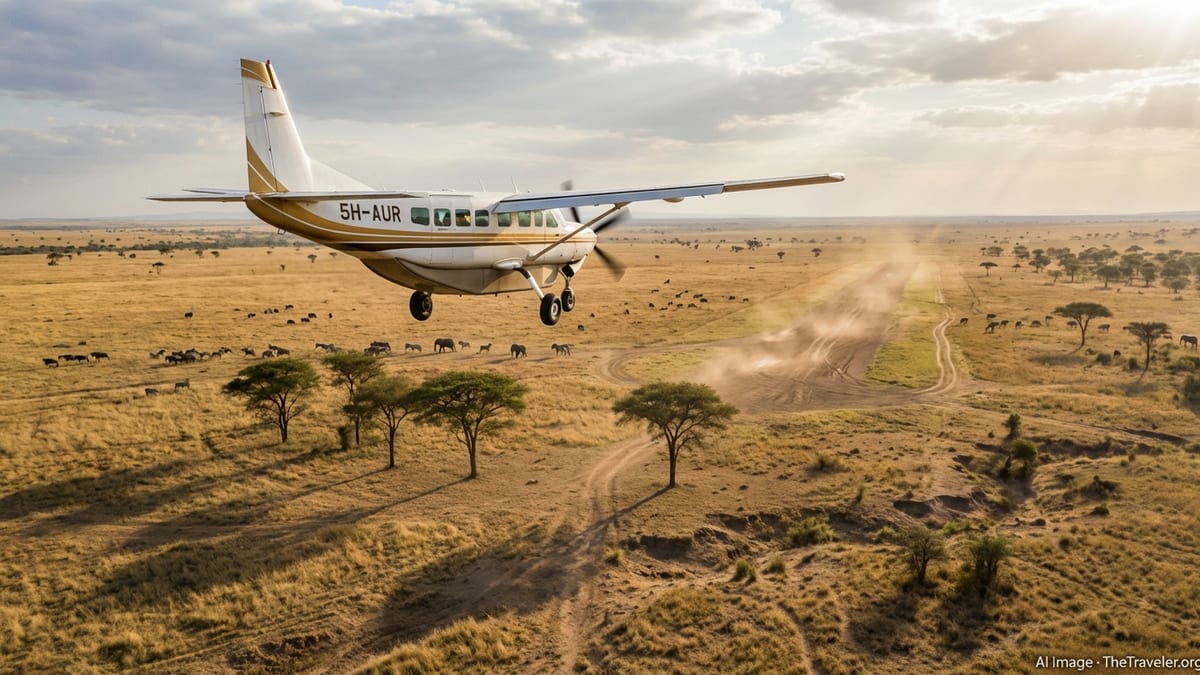
Solo Safaris Become Luxury Travel’s Fastest-Growing Niche
Recent industry data indicates that solo travel has become one of the most dynamic segments in global tourism, with value projected to roughly double by 2030. Within this shift, African safaris are increasingly seen as a premium, once-in-a-lifetime purchase, drawing travellers willing to spend more for privacy, expert guiding and immersive wildlife experiences.
Safari specialists report that solo guests are now a significant share of inquiries, particularly for East and Southern Africa. Analysis published by Go2Africa and other operators highlights that Kenya, Tanzania and South Africa rank among the most sought-after destinations for single travellers, while Botswana and Rwanda attract experienced visitors looking for more exclusive, conservation-focused trips.
Across the continent, camps and lodges are reworking their pricing to cater to this demand. Travel trade coverage notes that some leading brands operating in Botswana, Rwanda, South Africa and Tanzania have begun waiving or softening single supplements outside peak season, removing a longstanding barrier for solo guests and helping to fill shoulder-period inventory with high-yield bookings.
Alongside pricing changes, the solo segment is encouraging operators to curate more flexible itineraries, combining small-group logistics with substantial private time. Industry reports describe itineraries that pair communal game drives with independent activities such as photographic workshops, wellness sessions or tailored walking safaris, designed to give solo visitors both companionship and space.
Tanzania Steps Up Competition For High-Value Safari Visitors
Tanzania is moving quickly to secure a larger share of this solo-led, high-spend market. Publicly available data on the country’s tourism performance shows strong post-pandemic recovery, with international arrivals and earnings rebounding on the back of flagship wildlife areas such as Serengeti National Park, Ngorongoro Conservation Area and the Zanzibar archipelago.
Government statements and domestic analysis outline ambitions to attract around eight million visitors annually by 2030 and to raise tourism’s contribution to the national economy. Local coverage of recent policy announcements highlights a focus on marquee events, upgraded air links and targeted promotion of luxury safaris and Kilimanjaro climbs as tools to pull in higher-spending guests, including solo climbers and independent wildlife enthusiasts.
Forecasts produced by Tanzanian tour consultancies suggest that the luxury segment is expected to expand faster than mass tourism between 2026 and 2030, driven by demand for exclusive-use camps, tailored guiding and private vehicle safaris. This aligns Tanzania more closely with Botswana’s and Rwanda’s long-standing emphasis on high-value, low-volume tourism models designed to protect fragile ecosystems.
At product level, new boutique camps in the northern and southern circuits are being marketed heavily to solo travellers who want the security of a hosted environment without the feel of a large group tour. Many packages pair wildlife itineraries with time on Zanzibar’s beaches or cultural experiences in Arusha and coastal towns, widening the appeal beyond traditional group safaris.
Kenya, South Africa, Botswana and Rwanda Double Down on High-Value Growth
While Tanzania is intensifying its push, neighbouring safari powerhouses are refining their own strategies to capture solo and premium travellers. Market research from firms tracking Africa’s safari tourism indicates that South Africa, Kenya, Botswana and Rwanda remain among the continent’s top performers, with luxury and private safaris accounting for an outsized share of sector revenue.
In Botswana, industry reports and market outlooks point to projected growth at a robust pace through the early 2030s, supported by a model built around low-density camps in private concessions such as the Okavango Delta and Linyanti. Operators here have traditionally targeted high-spend guests, and solo travellers are increasingly opting for fully hosted stays that include all activities, transfers and meals.
Rwanda’s tourism sector has drawn particular attention for record-breaking performance in 2024, according to analysis by the World Travel & Tourism Council. Gorilla trekking permits, boutique lodges near Volcanoes National Park and new luxury properties around Lake Kivu are attracting a mix of couples, small groups and solo visitors willing to pay premium rates for rare wildlife experiences with stringent conservation controls.
Kenya and South Africa, meanwhile, remain anchor destinations for first-time solo safari-goers, thanks to well-developed air access, broad price ranges and extensive private reserves alongside iconic parks such as the Maasai Mara and Kruger. Trade coverage notes a rising emphasis on privacy and wellness, from exclusive-use villas on South African reserves to remote tented camps in Kenya’s conservancies designed for guests seeking seclusion and personalised hosting.
Redefining Luxury: From Opulence to Privacy, Purpose and Conservation
The solo safari boom is helping to reshape what “luxury” means in African tourism. Operators across Tanzania, Kenya, South Africa, Botswana and Rwanda increasingly frame luxury less as overt opulence and more as privacy, time and access. Small-group or private game drives, flexible daily schedules and direct interaction with expert guides are being marketed as core components of a premium experience.
Industry reports also highlight a growing appetite for purpose-led travel. Higher-spending guests, including many solo travellers, are showing interest in conservation projects, anti-poaching initiatives and community-owned lodges. Publicly available information from conservation partners and destination marketing bodies points to an expansion of citizen-science activities, behind-the-scenes rhino or predator monitoring and community visits built into upmarket itineraries.
Lodges in Botswana and Rwanda have been early adopters of this approach, integrating conservation levies and community partnerships into the price of high-end stays. Tanzanian and Kenyan operators are increasingly following suit, using conservation fees and privately managed conservancies to channel revenue into habitat protection while maintaining a sense of exclusivity for guests paying premium rates.
Wellness and digital-detox themes are another emerging layer of luxury. Analysis of travel trends from African-focused operators notes rising demand for spa facilities, yoga decks and remote camps that intentionally limit connectivity. For solo visitors, this blend of retreat-style amenities with the drama of daily game drives is being pitched as an antidote to high-pressure urban lifestyles.
Through 2030: Capacity, Pricing and Sustainability Pressures
Looking toward 2030, market forecasts for Africa’s safari tourism point to continued expansion across Tanzania, Kenya, South Africa, Botswana and Rwanda, with solo and high-value travellers expected to remain central to growth. Research on the wider Africa safari market projects sector revenues in the tens of billions of dollars by the end of the decade, supported by increasing air connectivity and rising global interest in nature-based trips.
At the same time, analysts and destination planners caution that capacity constraints and environmental pressures will shape how far this growth can go. Many of the most prized ecosystems, from the Serengeti and Ngorongoro to the Okavango and Maasai Mara, already operate near the limits of what is considered sustainable in peak season. To preserve the quality of the experience, governments and private conservancies are exploring tools such as dynamic pricing, stricter vehicle limits and advanced booking windows.
For solo travellers, these dynamics are likely to translate into higher per-night costs in the most coveted areas, but also into better wildlife viewing and quieter, more controlled environments. Industry commentary suggests that premium guests, including solo visitors, are generally willing to absorb higher prices if they can see clear links between their spending, conservation outcomes and community benefits.
With Tanzania now firmly positioned alongside Kenya, South Africa, Botswana and Rwanda in the race for high-yield safari tourism, the coming years are set to test how effectively the region can balance access and exclusivity. As solo travel continues to surge, the choices made on park management, lodge density and community partnerships will help define both the character of African luxury safaris and the resilience of the landscapes that sustain them through 2030 and beyond.