


More news on this day
Texas is rolling out a wave of new marketing campaigns, global partnerships, and tourism initiatives this spring, signaling a full-scale rebrand of how travelers experience the Lone Star State and putting fresh destinations and events on the radar of visitors worldwide.
Get the latest news straight to your inbox!
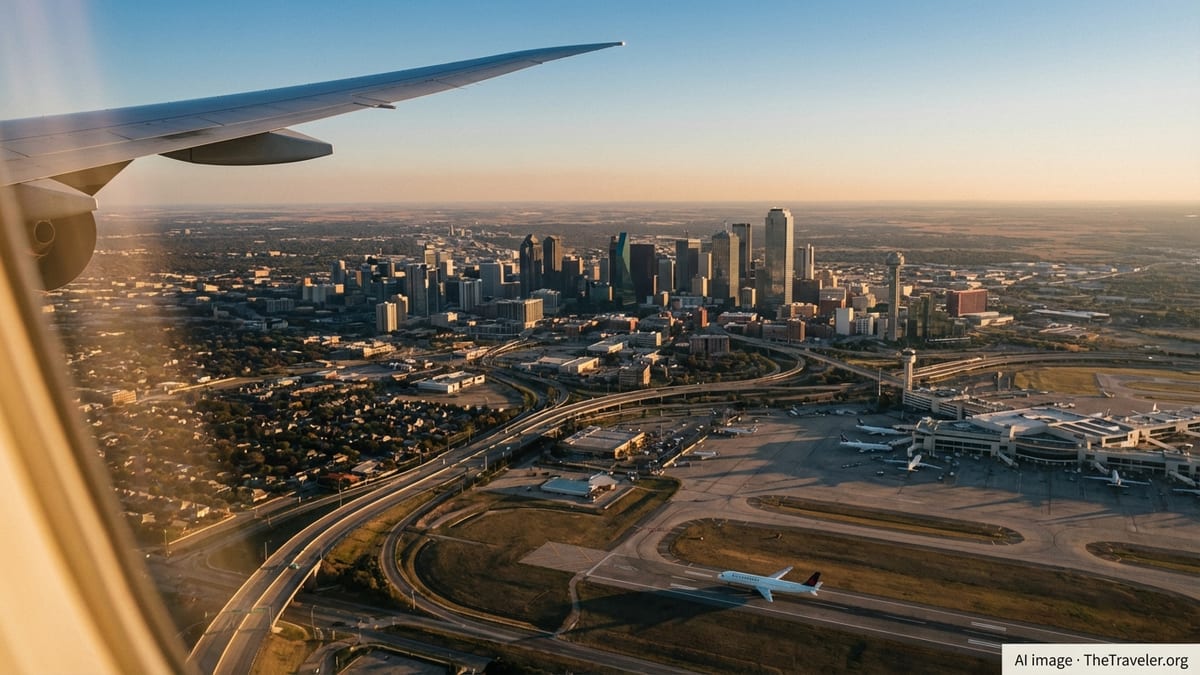
A New Statewide Vision: The Rise of the “Let’s Texas” Era
Publicly available information from Travel Texas shows that the state is using the 2026 fiscal year to expand a fresh tourism identity built around the “Let’s Texas” tagline and its newer “LET’S” advertising campaign. Initially launched in 2025, the creative platform invites visitors to build their own Texas moments, from quiet hill country escapes to big-city cultural breaks, replacing older, slogan-heavy messaging with experience-driven storytelling.
According to the state’s latest marketing plan, the LET’S campaign is being pushed across online video, social media, streaming audio, digital out-of-home placements, and branded content partnerships. The focus is on showcasing more than a dozen destinations across Texas in quick, cinematic vignettes that highlight local scenery, food, nightlife, and outdoor adventure. The strategy reflects a larger industry trend toward lifestyle-driven content instead of traditional brochure-style promotion.
One of the most notable tools in this rebrand is Travel Texas’s interactive Trip Builder, which uses swipe-style functionality to help visitors assemble custom or pre-built itineraries based on interests such as music, food, history, or wide-open landscapes. State materials describe the tool as a way to personalize planning at scale, a key step in positioning Texas as a destination that adapts to travelers rather than asking travelers to adapt to it.
With this shift, Texas is moving beyond its stereotypical imagery and attempting to reframe itself as a versatile, modern travel brand. The emphasis on flexibility and personalization is designed to appeal to younger and more independent travelers, as well as long-haul international visitors who may be looking for deeper, more varied experiences on a single trip.
Global Partnerships Are Recasting Texas for International Travelers
Recent coverage in travel trade media highlights how Texas is pairing its statewide branding push with targeted partnerships aimed at key international markets. One prominent example is a new collaboration between Travel Texas and tour specialist Adventure World on an “Authentic. Custom Texas” campaign aimed at Australia and New Zealand, giving travel advisors in those countries tailored itineraries and training to sell Texas as a stand-alone destination for 2026 bookings.
Reports indicate that the campaign leans heavily on flexible self-drive itineraries, encouraging visitors to explore at their own pace and connect with local communities along the way. The program also taps into the upcoming 100th anniversary of the historic Route 66, using the milestone as a hook to draw road-trip enthusiasts toward lesser-known stretches and towns within Texas that sit along or near the iconic corridor.
International air access is another pillar of this repositioning. Media coverage notes that nonstop connections from Australia and New Zealand into Dallas–Fort Worth and Houston are being promoted as part of Texas’s pitch to long-haul travelers. By presenting the state as both a gateway and a destination in itself, these campaigns seek to shift perception away from Texas as a quick stopover and toward itineraries anchored entirely within its borders.
The international focus complements broader U.S. tourism messaging that is encouraging longer, more immersive trips. In this context, Texas is trying to stand out by foregrounding its mix of urban culture, borderland heritage, and expansive natural landscapes, offering something distinct from the more familiar coastal city circuits.
Sports, Spectacle, and Mega-Events Drive a New Travel Narrative
Beyond traditional tourism marketing, Texas is integrating major global events into its travel story in an effort to reframe the state as a hub for sports, culture, and large-scale entertainment. Planning documents from Travel Texas highlight the coming centennial observances for Route 66 and the buildup to high-profile sports tournaments, including matches connected to the 2026 global soccer championship, as prime opportunities to introduce new visitors to Texas cities.
Local initiatives are already visible. Houston Airports, for example, recently launched a soccer-themed campaign positioning the city as a central jumping-off point for tournament travel, featuring bright visual installations and interactive tools that outline nonstop routes to host cities. The approach markets Houston not only as an event city but also as a connected hub where fans can combine matches with Texas-based vacations before or after games.
Other Texas destinations are leaning into their own event calendars as travel drivers. Long-running celebrations such as Fiesta San Antonio, which returns each April with parades, concerts, and heritage events, are being framed in broader tourism messaging as anchor experiences for spring travel across the state. Future editions scheduled through the late 2020s provide planners with predictable touchpoints around which to build trips.
By tying its rebrand to a multi-year cycle of mega-events and festivals, Texas is positioning itself as a repeat-visit destination where each season brings a different reason to go. This strategy aims to convert one-time event attendees into long-term visitors who return to explore new regions and experiences.
Business Events and Incentive Travel Reinforce the New Image
Parallel to its consumer outreach, Texas is actively reworking its positioning within the meetings, incentives, conferences, and exhibitions sector. Professional organizations such as SITE Texas and Destinations Texas are promoting the state as a laboratory for innovation in incentive travel and destination development, underscored by conferences and signature industry events scheduled throughout 2026.
Conference agendas released by these groups highlight masterclasses in sales, marketing, and leadership tailored for destination marketing organizations and hotel partners, with a heavy emphasis on community-based branding and measurable tourism impact. The message is that Texas is not just a place to host events, but a state actively reshaping how events contribute to local economies and visitor perception.
Meanwhile, Texas-based and Texas-focused summits continue to draw marketing and communications professionals from across North America, providing a stage to showcase the state’s evolving tourism narrative. Sessions on destination storytelling, culinary tourism, and cultural programming are being used to demonstrate how local experiences can be woven into corporate incentive trips and large conventions.
These efforts are important to the wider rebrand because business travelers often become leisure visitors on future trips. By curating more distinctive, place-based experiences for conferences and incentives, Texas aims to seed word-of-mouth recommendations and social media exposure that reinforce its newer, more dynamic image.
Heritage, Food, and Culture Anchor a More Nuanced Texas Story
While the newest campaigns lean into digital tools and global trends, Texas is also elevating heritage-driven and cultural storytelling as key components of its reimagined travel identity. Media kits from heritage-focused publications and regional initiatives emphasize narratives that connect small towns, historic sites, and local food traditions into cohesive journeys for visitors seeking authenticity.
State-backed culinary initiatives, including investments linked to international dining guides, have drawn further attention to Texas’s restaurant scene, placing cities such as Dallas, Houston, Austin, San Antonio, and Fort Worth in the spotlight for domestic and overseas visitors. Coverage suggests that this culinary focus is viewed as a way to diversify the state’s image beyond barbecues and stadium fare, while still celebrating local flavors.
At the same time, longstanding cultural institutions and festivals are being reframed in tourism materials as gateways to understanding Texas’s layered identity, from Tejano and border cultures to frontier history and contemporary arts. By integrating these perspectives into mainstream travel promotion, the state is aiming to offer a richer, more inclusive story to prospective visitors.
Taken together, these moves signal that Texas is not simply refreshing its slogans but reorganizing how it presents itself to the world. With new campaigns, coordinated industry efforts, and a sharper focus on events and culture, the state is preparing for a spring and summer travel season that looks markedly different from the Texas of old, and many bucket lists are likely to be rewritten as a result.