


I thought I knew my way around online travel sites. I bounced between Expedia, Hotels.com, Trivago, Vrbo, Orbitz, Travelocity and a half dozen others, convinced I was comparison shopping across fierce competitors. Only later did I discover that most of those brands are part of the same corporate family: Expedia Group. That realization changed how I search, how I compare prices and how I think about loyalty in a travel world dominated by a few powerful players.
Get the latest updates straight to your inbox!
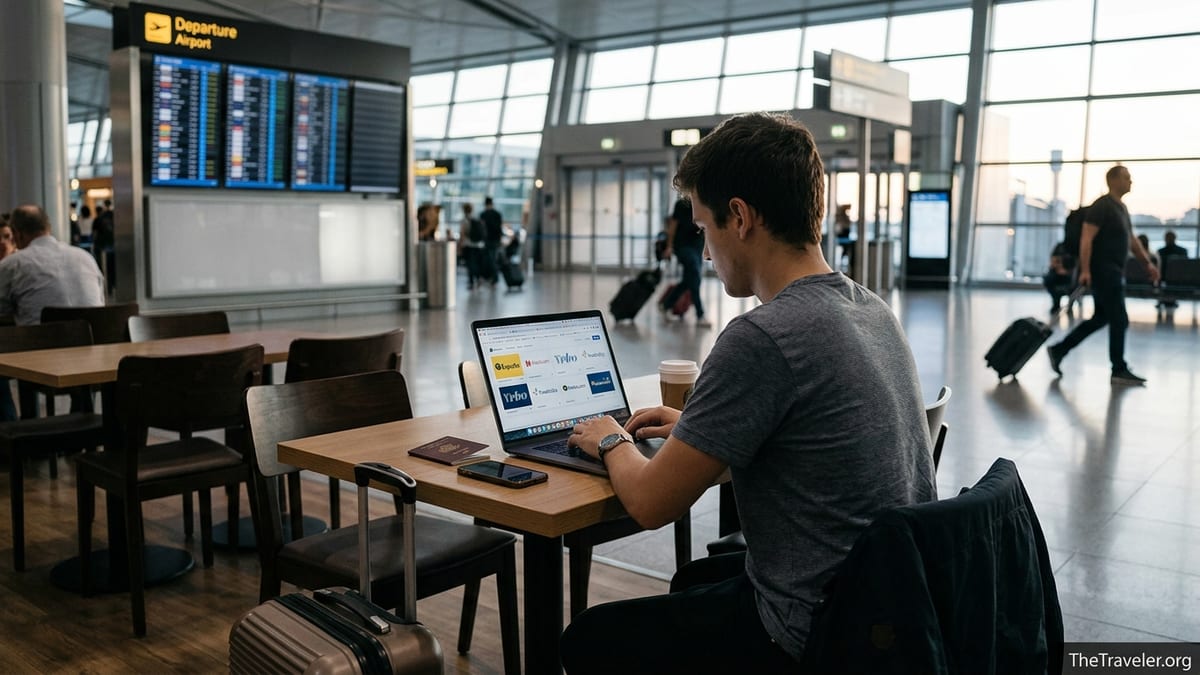
Discovering the Expedia Group Family Tree
The biggest surprise about Expedia Group is just how many familiar names fall under its umbrella. The company’s own materials describe a family of brands that includes Expedia, Hotels.com, Vrbo, Travelocity, Orbitz, Hotwire, Wotif, ebookers, CheapTickets, CarRentals.com, Expedia Cruises and the hotel metasearch site Trivago, among others. In practice, that means a traveler planning a trip might think they are checking prices across competitive sites when they are actually staying inside a single corporate ecosystem.
Consider a very common scenario. A traveler in Seattle opens Expedia to price a June flight and hotel package to Honolulu, then checks Hotels.com to compare hotel-only options, then opens Orbitz to see whether there are any extra promo codes. From the traveler’s perspective, those are three different brands. Behind the scenes, all three are routed through Expedia Group’s technology stack, negotiating with many of the same airlines and hotels on similar contract terms.
Another example shows up in vacation rentals. Many travelers know Vrbo as a rival to Airbnb, especially for family beach houses and ski condos. Fewer realize that Vrbo is also part of Expedia Group, alongside more traditional hotel and flight brands. If you search for a lakefront cabin near Lake Tahoe on Vrbo, then later price nearby hotels and car rentals on Expedia.com, you are still inside one company’s portfolio even though the experiences feel very different.
This interconnected web does not mean every site is identical. Each brand has its own interface, target audience and marketing strategy. Still, understanding that a single group sits behind so many recognizable logos is the first step toward being a more informed travel shopper.
Three Flagship Brands: Expedia, Hotels.com and Vrbo
In recent years Expedia Group has emphasized three flagship consumer brands: Expedia, Hotels.com and Vrbo. Expedia is the full service platform, designed to be the place where you can book an entire trip in one go: flights, hotels, vacation rentals, rental cars, airport transfers, cruises and tours. When you see package deals such as a New York to Cancun flight plus four nights at an all inclusive resort for a bundled price, those offers typically surface first on the main Expedia site and app.
Hotels.com, by contrast, is optimized for lodging. Its interface foregrounds hotel and resort options, with filters for amenities like free breakfast, pools, pet friendly rooms or electric vehicle charging. It has historically attracted travelers who already have tickets sorted, whether through an airline, a corporate booking tool or points redemption, and now simply want good value on a stay. A traveler flying to London on a frequent flyer award, for example, may skip flights on Expedia entirely and go straight to Hotels.com to lock in a centrally located three star hotel in Bloomsbury or South Kensington.
Vrbo fills a different niche: entire homes and condos where guests typically get a kitchen and more private space than a hotel room. This suits multi generational family trips, ski weeks and beach escapes. Picture a group of eight friends planning a winter trip to Breckenridge. The group’s planner may browse Vrbo for a four bedroom townhouse with a fireplace and private hot tub, while a couple within the group separately checks Hotels.com for an affordable hotel room nearby in case grandparents prefer their own space. All of that still feeds into Expedia Group’s overall marketplace.
What ties the three flagships together is a shared loyalty and account infrastructure. In the United States, the One Key program allows travelers to earn and redeem rewards across Expedia, Hotels.com and Vrbo, turning separate bookings into a single pool of value. A traveler might earn rewards on a summer Vrbo lake house, then apply those credits toward a solo business hotel booked through Expedia in Chicago a few months later.
Legacy Brands That Still Shape How You Shop
Beyond its core trio, Expedia Group still operates several legacy consumer brands that older travelers may know well. Travelocity, one of the early pioneers of online airfare booking, is now a wholly owned Expedia subsidiary. Orbitz, once owned by a consortium of major airlines as their answer to online agencies, was acquired by Expedia in 2015. In markets like Australia and New Zealand, Wotif remains a recognizable regional brand for domestic and nearby international hotels and packages.
These brands often run on back end systems linked to Expedia’s central technology platform, but they maintain their own marketing and customer communication. A traveler in Dallas might receive a targeted Travelocity sale on flights to Orlando, while someone in Chicago sees an Orbitz promotion for city hotels. In each case, the emails lead to offers that draw on the same inventory pipelines that also feed Expedia.com.
Discount focused brands are also part of the picture. Hotwire, known for opaque “Hot Rate” hotel deals where you see the general area and star level but not the hotel name until after booking, is another Expedia Group property. Travelers used to checking Hotwire for last minute savings in cities like Las Vegas, Chicago or San Francisco are still buying through the same corporate family as if they had booked on Expedia directly, just packaged in a more price driven format.
The metasearch space is represented through Trivago, a German based hotel comparison site in which Expedia Group holds a controlling stake. When a traveler in Berlin or Toronto searches for “Paris hotel near Eiffel Tower” on Trivago and then clicks through to book on Hotels.com or Expedia, that is essentially Expedia Group referring business to itself through a different front door, while also competing with other advertisers at the same time.
What This Means for Real World Price Shopping
Learning that so many brands roll up to one company naturally raises a practical question: is it still worth checking multiple sites for the best price. The answer is nuanced. In general, when you compare identical room types and cancellation policies for a standard hotel on several Expedia Group brands, you will often find similar base prices, because those rates are driven by a common set of wholesale agreements with hotels and chains. For example, a midweek room at a chain hotel near Los Angeles International Airport might show at about the same nightly rate on Expedia, Hotels.com and Orbitz.
Where differences can appear is in promotions, loyalty value and how prices are presented. Expedia might run an app only coupon giving an extra percentage off select hotels, while Hotels.com might offer a member only discount on the same property. Hotwire could present the same hotel inventory as a “mystery deal” at a lower visible price, with the tradeoff that you pay upfront and cannot change your booking. A traveler willing to give up flexibility might save meaningful money by using that discount brand instead of the flagship site, even though the underlying supplier relationship is the same.
Vacation rentals add another wrinkle. Many property managers that list on Vrbo also connect their calendars to Expedia’s broader distribution network. That means a beachfront condo in Gulf Shores, Alabama, might appear as a vacation rental on Vrbo while also being sold as a “condo style stay” on Expedia.com or advertised through Expedia Group partners like regional travel agencies or airline vacation package programs. The nightly price might be close but not always identical, depending on cleaning fees, service fees and how each channel structures traveler service charges.
Metasearch platforms, including Trivago, can still play a role when you truly want to see how Expedia Group pricing stacks up against independent or rival platforms. A traveler targeting a boutique hotel in Rome’s Trastevere neighborhood might use a site like Trivago to display rates from Hotels.com and Expedia alongside those from Booking.com, the hotel’s direct site and perhaps a regional agency. Even though Trivago itself sits in the Expedia orbit, the comparison it presents includes external offers, which can expose meaningful gaps on specific dates.
Loyalty, Perks and the One Key Web
One of the clearest benefits of Expedia Group’s multi brand structure for travelers is consolidated loyalty. With One Key, a traveler can book a budget roadside motel through Hotels.com on a cross country drive in July, an all inclusive package on Expedia to the Dominican Republic in November and a ski condo on Vrbo in February, all while earning a single currency that can be spent across those brands. Instead of juggling separate points accounts, you effectively treat the entire family as one giant program.
This shows up in tangible ways. A family planning a summer trip to Orlando might book flights and a mid range hotel package on Expedia to earn rewards, then apply those rewards a few months later to offset the cost of a Vrbo cabin in the Smoky Mountains for a fall foliage getaway. A solo traveler who racks up frequent stays at city hotels via Hotels.com for work could later redeem accumulated value toward a weekend beach rental on Vrbo or a resort booked on the main Expedia site.
Coordinated loyalty also allows Expedia Group to run targeted upgrade and perk campaigns. During certain shoulder seasons, the company may offer bonus rewards on stays at partner hotel chains if booked through specific brands, or extra credits on bundled packages versus standalone bookings. A traveler open to slight flexibility in their booking channel can take advantage of these ecosystem wide promotions, especially if they are not locked into an airline or hotel chain’s own loyalty program.
At the same time, travelers should recognize that this consolidation can reduce the independent incentives that separate brands once had to undercut each other. When Travelocity and Orbitz were owned by different parent companies, aggressive couponing and price wars were a regular feature of online travel. Now that those brands feed into the same loyalty and revenue pool, Expedia Group can manage discounts more strategically to support profitability while still appearing to offer choice across multiple sites.
Behind the Scenes: Technology and Partnerships
Another underappreciated aspect of Expedia Group’s brand sprawl is the shared technology that powers search and recommendations across different logos. Research from the company’s own data science teams describes how it uses common hotel and traveler representations so that a hotel that performs well with a certain profile of guest on Hotels.com can be surfaced more intelligently to similar guests on Expedia or Wotif. This helps explain why you may feel that recommendations across brands start to converge once you have a history with the ecosystem.
Expedia Group also runs a significant business to business arm. Through partner solutions and white label platforms, airlines, banks, loyalty programs and even other travel agencies tap into Expedia’s inventory and booking technology while presenting it under their own brand. For example, when a regional airline offers a “book a hotel” tab on its website that leads to hotel results styled in the airline’s colors, there is a good chance that behind the scenes those results are powered by Expedia infrastructure, even though the traveler may never see the Expedia name.
Cruises and car rentals offer another illustration. Expedia Cruises, a retail network in North America, lets travelers book sailings on major cruise lines while taking advantage of Expedia Group’s promotions and back end tools. CarRentals.com provides a focused search interface for rental cars, but ultimately draws inventory from many of the same suppliers a traveler could access via the main Expedia site. Whether someone rents a compact car at Phoenix Sky Harbor through CarRentals.com or as part of a multi element Expedia package, it is often the same supplier connection in the background.
This network effect is part of why Expedia Group maintains multiple consumer brands rather than folding everything into a single site. Each brand can specialize in a segment, channel or geography, all while feeding data and bookings into the same overarching marketplace. For travelers, this means that learning how one Expedia brand behaves can give you useful intuition about how the others will feel and what kind of service to expect.
How Travelers Can Use This Knowledge
Understanding that Expedia, Hotels.com, Vrbo, Travelocity, Orbitz, Hotwire, Wotif, Trivago and others are closely related should not scare you away from using them. Instead, it can help you be strategic. If you want to maximize rewards and convenience, you might deliberately concentrate most online bookings within the Expedia Group family, leaning on One Key to turn a series of separate trips into a substantial discount on a future bucket list vacation.
On the other hand, if your priority is truly independent price comparison, you can use the knowledge that many sites belong to the same parent company as a prompt to branch out. That could mean checking at least one platform from a rival group alongside an Expedia brand when booking high value trips, or getting in the habit of visiting a hotel’s official website after you find a good option through Expedia or Hotels.com to see whether a member rate or a breakfast included offer beats the big aggregators.
In real terms, a traveler planning a two week itinerary through Italy might start by using Expedia to map out flights and a rough string of cities, then lock in free cancellable hotel reservations through Hotels.com so that the trip feels concrete. After that, they could compare a handful of those hotels against offers on competing platforms or direct sites before their cancellation windows close, switching individual stays that clearly price better elsewhere. At the same time, they might book a larger Tuscan villa for a family reunion through Vrbo specifically to earn rewards that will later discount a winter sun escape.
The key is to recognize that familiar logos do not always represent separate competitors. They often represent different storefronts of the same large marketplace. Once you see the structure behind the storefronts, it becomes easier to decide when to stay within a single family for simplicity and perks, and when to venture outside for potential savings or a different customer service philosophy.
The Takeaway
The biggest surprise about Expedia Group is not just that it owns a long list of recognizable brands. It is how thoroughly those brands shape the way many travelers experience the online travel world. From flagship platforms like Expedia, Hotels.com and Vrbo to legacy names like Travelocity and Orbitz, discount channels like Hotwire and comparison tools like Trivago, much of the apparent diversity in online travel storefronts traces back to a handful of corporate parents.
For travelers, the practical lesson is twofold. First, you can often get more value by understanding and deliberately using the connections between brands, especially when it comes to shared loyalty programs and combined trip bookings. Second, you should not confuse different logos with a fully competitive market. When you want a truly independent price check, you need to step outside the family tree and compare across parent companies or direct suppliers.
Online travel will likely continue to consolidate, and Expedia Group shows how one company can operate as a sprawling ecosystem rather than a single website. The more you understand about that ecosystem, the more effectively you can navigate it, turning corporate concentration from a hidden surprise into a tool you can use when planning your next journey.
FAQ
Q1. Is Expedia the same company as Hotels.com, Orbitz and Travelocity?
Yes. Expedia, Hotels.com, Orbitz and Travelocity are all part of Expedia Group, which owns and operates a wide portfolio of online travel brands.
Q2. Does Expedia own Vrbo vacation rentals?
Yes. Vrbo, a major vacation rental platform focused on entire homes and condos, is owned by Expedia Group alongside its hotel and flight brands.
Q3. Are prices identical across Expedia, Hotels.com and Orbitz?
Base rates are often similar because they draw from the same supplier contracts, but promotions, coupons, loyalty discounts and fees can make final prices differ.
Q4. Is Trivago independent from Expedia Group?
Trivago is a publicly traded company, but Expedia Group holds a controlling stake and treats it as part of its broader family of travel brands.
Q5. Does using different Expedia brands help me comparison shop?
Comparing Expedia brands can reveal differences in deals and perks, but for truly independent comparisons you should also check at least one non Expedia platform or a hotel’s direct site.
Q6. Can I earn one set of rewards across Expedia, Hotels.com and Vrbo?
In markets where the One Key program is active, you can earn and redeem a unified rewards currency across Expedia, Hotels.com and Vrbo bookings.
Q7. Are Hotwire’s “mystery hotel” deals part of Expedia Group?
Yes. Hotwire is an Expedia Group brand that specializes in discounted, often nonrefundable hotel deals where the hotel name is revealed after booking.
Q8. Does Expedia Group also power travel booked through airlines or banks?
Often it does. Many airlines, banks and loyalty programs use Expedia Group’s partner technology and inventory to power hotel and package bookings under their own branding.
Q9. Should I avoid Expedia brands if I prefer to support hotels directly?
That is a personal choice. You can use Expedia brands for discovery, then compare with a hotel’s own site. Some travelers like to mix direct bookings with marketplace platforms.
Q10. Is Expedia Group the same company as Booking.com or Priceline?
No. Booking.com and Priceline are part of a different parent company, Booking Holdings. Expedia Group is a separate competitor with its own portfolio of brands.