


More news on this day
A new investigative report into the recent freight train derailment near Stockton concludes that a broken rail linked to an underlying track defect was the primary factor in the cars leaving the line, sharpening attention on how rail infrastructure is inspected and maintained in one of California’s key freight corridors.
Get the latest news straight to your inbox!
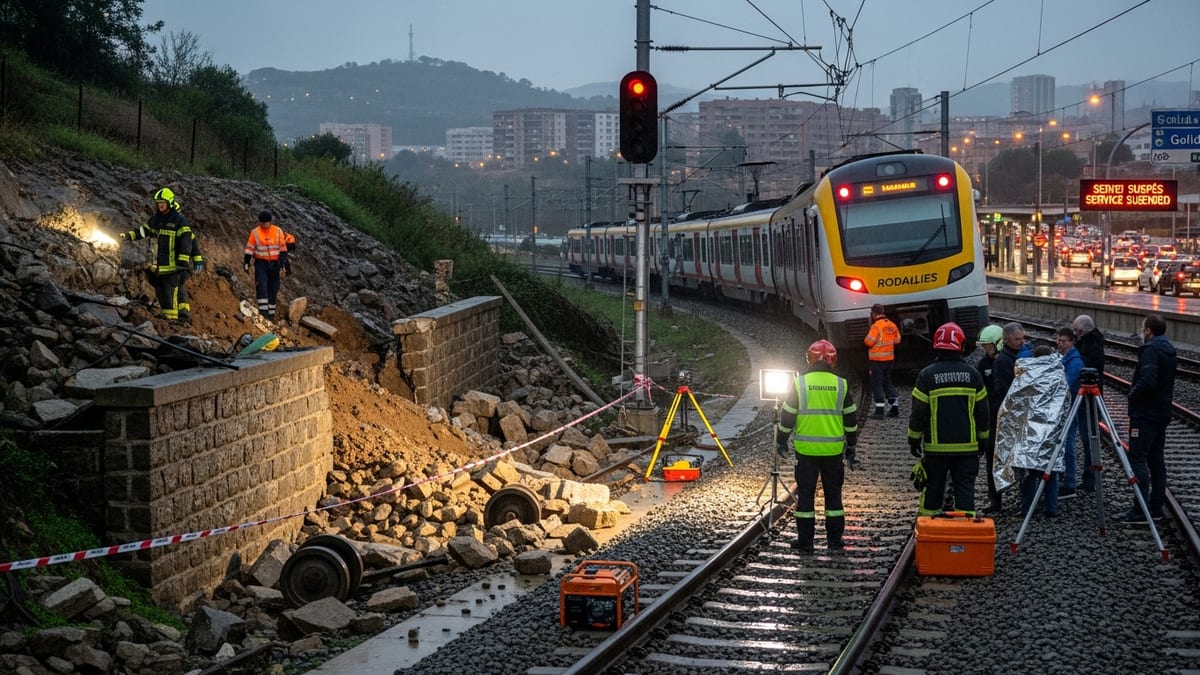
Investigators focus on broken rail near point of derailment
According to publicly available investigative materials, the derailment occurred as a freight consist was moving through the Stockton area when several cars suddenly left the track at low speed. Post‑accident inspections documented a section of broken rail at or near the point where the first wheelsets dropped off the running surface, drawing attention to the condition of the track rather than train handling or equipment issues.
Technical analysis indicates that the rail fracture showed signs consistent with an internal defect that had been propagating over time before finally failing under load. In this scenario, the rail may appear visually intact during routine wayside checks, while microscopic cracking grows beneath the surface until the steel can no longer bear the weight and dynamic forces of a passing train.
Investigators reviewing the scene and subsequent laboratory findings identified no immediate evidence that train speed, braking, or obvious mechanical faults on the derailed cars initiated the event. The emerging consensus presented in the factual record is that the rail break, rooted in a track defect, created a sudden loss of support that allowed wheelsets to climb out of gauge and derail.
How an internal track defect can escape routine inspections
The Stockton findings highlight the challenges railroads and regulators face with so‑called internal rail defects, which develop inside the steel and can be difficult to detect until they are advanced. Traditional visual inspections are particularly limited in spotting this type of deterioration, because the head of the rail may appear smooth and continuous even as tiny cracks expand below the running surface.
Across the industry, railroads rely heavily on ultrasonic and other non‑destructive testing vehicles to probe for flaws that cannot be seen from the trackside. These inspection cars send high‑frequency sound waves through the rail, looking for reflections that signal voids, inclusions, or cracks. If indications meet defined thresholds, the affected segment is marked for repair or replacement, and temporary speed restrictions can be imposed until work is completed.
In the Stockton case, the report suggests the defect either developed between scheduled test runs or was not fully characterized during earlier inspections, allowing the weakened section to remain in service. That scenario mirrors other documented derailments in North America where fatigue cracks or inclusions in the rail head grew undetected until a passing train caused a final, catastrophic break.
Implications for freight operations around Stockton’s busy rail hub
The derailment has underscored how dependent the Stockton region is on aging but heavily used rail infrastructure. The city sits at a strategic junction for freight moving to and from the Port of Stockton and across the Central Valley, which means long freight consists regularly traverse industrial spurs, yard leads, and mainline connections in close proximity to neighborhoods and businesses.
Publicly available coverage of the incident notes that the derailment did not result in serious injuries or a large hazardous materials release, but track damage, car recovery, and service disruptions were significant. The event has added to ongoing concerns about how minor industrial tracks, sidings, and older segments are prioritized for testing and renewal compared with high‑traffic main lines.
Stockton’s role as a logistics hub means that a single broken rail can ripple across regional supply chains, delaying shipments of agricultural products, consumer goods, and bulk materials. The incident has renewed attention on the balance between maximizing capacity on existing tracks and committing sufficient resources to rail replacement programs, ballast and tie renewal, and modern inspection technologies.
Calls for tighter inspection regimes and technological upgrades
Following the report’s findings, rail‑safety advocates and technical commentators have pointed to the Stockton derailment as another example of why inspection regimes may need to be tightened. Suggestions include shortening the intervals between ultrasonic testing runs in high‑risk zones, adjusting defect‑threshold criteria, and more aggressively removing rail that shows early fatigue patterns even when it remains technically within standards.
Industry analysts also highlight emerging tools such as machine‑vision inspection, wayside monitoring, and data‑driven risk modeling. High‑resolution cameras mounted on locomotives or dedicated inspection trains, combined with artificial intelligence, can flag subtle changes in the rail head, joint bars, and fasteners long before they lead to failure. Drone‑based surveys and track‑geometry measurement systems can supplement human inspections, particularly on yard tracks and industrial leads where access can be difficult.
While such technologies are increasingly deployed on major main lines, the Stockton derailment is likely to fuel discussion about extending similar capabilities to secondary tracks, spurs, and port‑adjacent infrastructure. Analysts note that derailments on these lines may not attract the same national attention as major main‑line incidents, yet they can pose serious local risks and disrupt key freight flows.
What travelers and nearby communities should watch for next
For travelers and residents in and around Stockton, the immediate aftermath of the derailment has centered on restoration of normal rail operations and repairs to the damaged track. Once those physical repairs are complete, attention is expected to shift toward how the railroad operating the line integrates the report’s findings into its broader safety and maintenance programs.
Observers will be watching for indications of expanded track renewal projects, changes to inspection schedules, or new technology pilots in the Stockton area. Publicly available planning documents and regulatory filings often provide early clues to such shifts, including proposed capital budgets for rail replacement and investments in advanced inspection equipment.
More broadly, the Stockton derailment feeds into a national conversation about the resilience of rail infrastructure that serves both freight customers and, in some corridors, passenger services. As traffic volumes rise and aging track remains in service, the report’s conclusion that a single undetected defect can trigger a disruptive derailment is likely to resonate far beyond this Central Valley rail hub.