


More news on this day
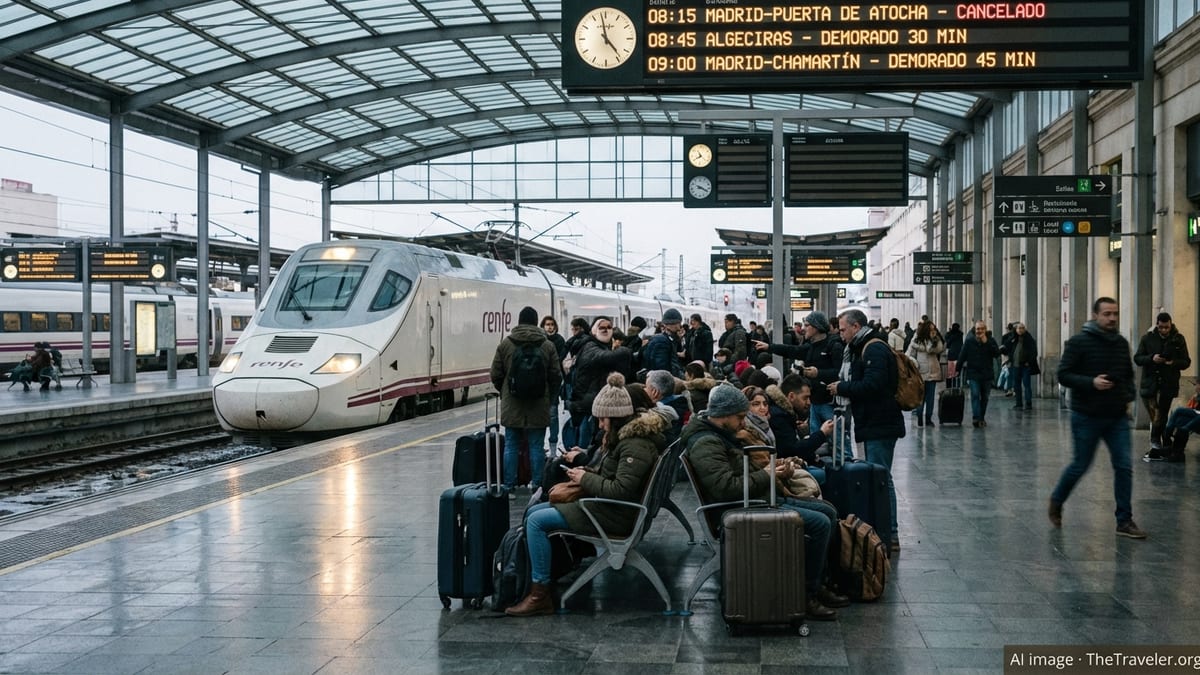
A recent collision between a train and a tractor-trailer that erupted in flames has renewed attention on the persistent safety risks at rail crossings and the cascading delays that follow for rail travelers and nearby communities.
Get the latest news straight to your inbox!
Collision and fire at a busy rail crossing
Publicly available reports describe a scene that has become troublingly familiar across North America: a freight or passenger train striking a tractor-trailer that is stopped or moving slowly across the tracks, with the impact setting the truck on fire and halting rail traffic in both directions. In the latest incident, images and local coverage show the trailer engulfed in flames and thick smoke rising near the crossing, prompting a rapid response from nearby fire crews.
Initial information indicates that the tractor-trailer was on or near the tracks when the train approached, leaving little time or space to clear the crossing. The collision damaged the locomotive and railcars, but most of the visible destruction centered on the truck, where the fuel-fed fire left the cab and trailer heavily charred. Nearby businesses and road traffic experienced significant disruption while emergency crews contained the blaze and inspected the surrounding area.
While no widespread injuries have been reported in connection with this latest crash, the fire and subsequent rail shutdown highlight how quickly an ordinary crossing movement can escalate into a large-scale incident affecting travelers, freight schedules and local residents.
Impact on train operations and regional travel
When a train strikes a tractor-trailer and a fire breaks out, rail operators generally halt traffic until tracks and signaling systems are inspected and cleared. In the current case, trains in the immediate area were held in place while inspectors checked for heat damage to rails, ties and nearby infrastructure, a process that can take hours even when the main damage is confined to the road vehicle.
For passengers, this type of collision can translate into missed connections, rolling delays along the line and, in some instances, bus substitutions while rail service is suspended. Travelers may be required to remain onboard in place for extended periods while investigators document the scene, equipment is examined and damaged vehicles are removed from the right of way.
Freight movements also feel the impact. A blocked main line can force freight trains to wait in sidings or reroute over longer journeys, affecting delivery times for shippers and adding congestion to other parts of the network. For communities that depend on timely rail service for commuting or regional trips, a single truck-train collision with fire can be felt far beyond the immediate crash site.
Why crossings with heavy trucks remain vulnerable
Rail safety specialists point to a combination of factors that can put tractor-trailers at particular risk at grade crossings. Long vehicles may take more time to clear the tracks, especially when they are hauling heavy loads or navigating tight turns near the crossing. If traffic backs up unexpectedly or a driver misjudges clearance, a portion of the trailer can remain on the rails just as a train approaches.
In some industrial or commercial areas, crossings may be located near facility entrances, meaning trucks must slow or stop just after crossing the tracks. Reports from past crashes show that trucks entering or leaving plants, warehouses or construction sites sometimes become trapped by gates, traffic lights or congestion, leaving them exposed to oncoming trains.
With modern trains requiring significant distance to stop, any delay by a truck in clearing the crossing can be critical. Once contact occurs, fuel tanks or cargo can ignite, producing intense fires that threaten both the roadway and the rail corridor and increasing the time needed before trains can safely resume operation.
Emergency response and fire containment challenges
When a train hits a tractor-trailer and a fire breaks out, local fire departments face a complex scene that spans both roadway and railway. Responders must navigate limited access at the tracks, potential fuel spills and, in some cases, the presence of hazardous materials being transported either by the truck or the train. Even when hazardous cargo is not involved, diesel fuel, lubricants and burning plastics can create intense heat and toxic smoke.
Standard practice in such events is to secure the area, stop rail traffic in both directions and establish a perimeter that keeps onlookers and through traffic at a safe distance. Firefighters work to knock down visible flames while containment teams monitor nearby soil and drainage systems for any fuel runoff. Rail-specific hazards such as energized components or damaged equipment add to the caution required on scene.
Once the fire is out, investigators typically document vehicle positions, signal status and any skid or impact marks before heavy equipment arrives to remove the wreckage. Only after these steps are complete can rail crews begin repairing any track damage and preparing the line to reopen to limited, then normal, service.
Renewed focus on prevention for truckers and travelers
The latest collision and fire are prompting renewed discussion about how to reduce the frequency and severity of train-tractor-trailer crashes. Safety campaigns directed at commercial drivers emphasize never entering a crossing without enough space to clear it entirely, paying close attention to low ground clearance, and using posted emergency contact numbers at crossings if a vehicle becomes stuck.
Transportation advocates also note the role of infrastructure improvements, including clearer signage, upgraded warning systems and, where feasible, grade separation that removes crossings entirely. In high-traffic freight corridors or near major industrial sites, such investments can substantially lower the risk of catastrophic collisions and the disruptive fires that often follow.
For rail travelers, the main takeaway is the importance of flexibility and awareness. When incidents like this occur, publicly available information from rail operators and local news outlets can help passengers adjust plans, anticipate delays and understand why service is temporarily suspended. Although the direct aftermath is most visible at the crossing itself, the ripple effects extend across schedules and routes, making these fiery collisions a concern for anyone who relies on the rail network.