


Standing at your laptop comparing Contiki and G Adventures can feel like a guessing game. Both promise small-group adventures, both show off dreamy photos from Peru to Portugal, and both say they are “for travelers, not tourists.” Yet the on-the-ground reality could not feel more different. One is more big-bus and social-first, the other leans small-group and immersion-first. The right choice depends less on which company is “better” and more on which one fits how you actually like to travel.
Get the latest updates straight to your inbox!
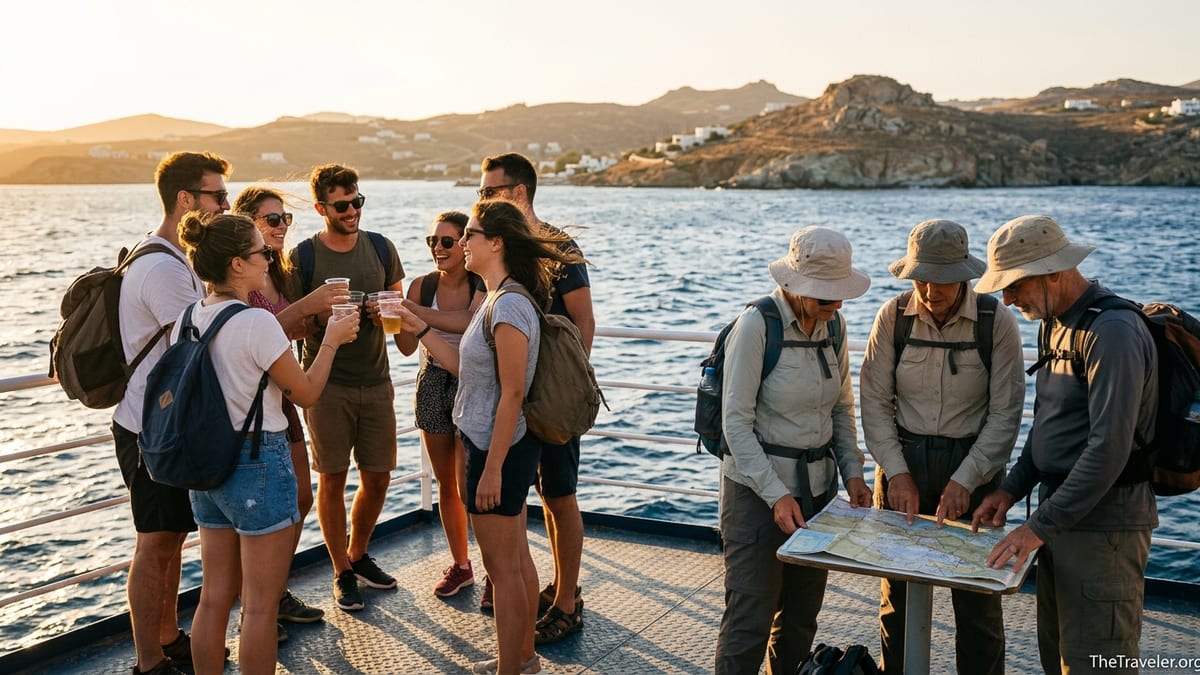
Contiki vs G Adventures at a Glance
Contiki and G Adventures occupy the same corner of the travel world: organized trips aimed at people who want adventure without planning everything themselves. Under the surface, though, each company has carved out a distinct niche. Contiki focuses on social, fast-paced trips for travelers aged 18 to 35, with a reputation for big buses, big nights out and simple but comfortable hotels or hostels. G Adventures welcomes a broader age range, typically limits groups to about 10 to 16 people and emphasizes local experiences, community tourism and a spectrum of comfort levels from basic guesthouses to upgraded “National Geographic Journeys” style stays.
Imagine two different Europe trips. On a classic Contiki “European Highlights”–style itinerary, you might board a coach with 40 plus other twenty-somethings, moving quickly through multiple countries, with optional nightlife in cities like Amsterdam and Prague and short bursts of sightseeing by day. A comparable G Adventures trip through Europe is more likely to have 12 people on a mix of trains and local buses, with more time wandering neighborhoods, eating at smaller local spots and perhaps fewer late nights out. Both can be brilliant, but they suit different kinds of travelers.
Pricing between the two can overlap. For example, a week-long Contiki trip in Western Europe often comes in around the mid four figures in US dollars, depending on season and room type, while a roughly similar G Adventures itinerary may be slightly lower or similar in base price but with different inclusions and comfort levels. The real difference is not only what you pay but how it feels day by day: how big your group is, how structured the days are, and how much energy the trip expects from you.
Age Range, Group Size and Social Vibe
Age is the first hard dividing line. Contiki markets itself as “the social travel company for 18-to-35-year-olds” and keeps to that band, which means you will not find teens or retirees on your bus. This creates a very specific social atmosphere: the majority of guests are solo or traveling with one friend, open to meeting others and generally comfortable with a fast pace and some late nights. If you are 27, traveling solo and nervous about feeling out of place among families or older couples, that age bracket can be reassuring.
G Adventures, by contrast, accepts adults 18 and over on most trips and allows families on designated departures. On a typical group you might see a mix of solo travelers in their twenties and thirties, couples in their forties and fifties and sometimes older travelers who are still fit and curious. The company also runs specific lines such as “18-to-Thirtysomethings” trips with a younger crowd and “Family” trips where kids are welcome. That flexibility means the vibe can vary more depending on the departure, but it also opens doors for travelers who have aged out of Contiki or simply prefer a broader mix of people.
Group size shapes your day-to-day experience. A classic Contiki coach in Europe or North America can carry 40 or more travelers, with some tours reportedly reaching the low 50s at full capacity. That means a bus full of new friends, plenty of potential nightlife buddies and a high-energy environment. On the flip side, it can feel intense if you are introverted or if you prefer quieter evenings. G Adventures designs most itineraries with a maximum around 15 to 16 people, occasionally a bit more on certain product lines. On the ground, that feels like being part of a small hiking group or a single long dinner table rather than half a busload. Many travelers report that on G Adventures trips, everyone learns each other’s names quickly and decisions, like where to eat on a free night, can be more collaborative.
Travel Style: Party-Forward vs Immersion-Forward
Contiki’s long-standing reputation is tied to its party image. Historically known as the company where nights were late and drinks flowed, Contiki still leans into a fun, social atmosphere. Many itineraries build in optional club nights in cities like Berlin or Bangkok, bar crawls on islands in Thailand or themed party cruises around Greek islands. That does not mean you must drink heavily or go out every night, and Contiki itself now emphasizes that nightlife is optional and that trips include significant sightseeing and cultural stops. Still, the brand is unapologetically social: travelers often describe coming home with new friends as the highlight as much as seeing the Colosseum or the Eiffel Tower.
G Adventures, in contrast, orients its marketing and trip design around “community tourism” and connection with local life. On a G Adventures trip through Peru, for instance, it is common to spend a night in a village homestay on Lake Titicaca, sharing simple meals with a local family and learning about their daily routines. In Central America, travelers may ride local “chicken buses,” stay in modest guesthouses and eat at small restaurants where few foreign tour coaches stop. Socializing within the group absolutely happens, but it is less likely to be organized around bar crawls and more around shared experiences, such as a sunrise hike in Costa Rica or a cooking class in Vietnam.
Your own energy levels matter too. A Contiki Europe itinerary might cross four countries in ten days, with city walking tours in the morning, coach transit in the afternoon and an optional pub crawl at night. A G Adventures itinerary of similar length may include fewer countries but more depth in each stop: a full day cycling in the countryside, a visit to a local cooperative or a hands-on workshop. If you want “see as much as possible and sleep later,” Contiki fits that mindset. If you prefer to slow down slightly and dig into culture and nature, G Adventures often aligns better.
Accommodation, Comfort and Transport
Both companies sit in the broad mid-range of the market, but they use very different styles of accommodation. Contiki typically relies on a mix of simple hotels, hostels and tourist-class properties, often with private bathrooms and twin-share rooms. On a Europe coach tour, you might stay in a two or three star hotel outside a major city, then bus in for sightseeing, or a well-located hostel with a young crowd. The brand rarely uses very rustic homestays or camping; it tends to favor accommodations where the whole group can gather for pre-dinner drinks in the lobby bar or hang out in a shared common area.
G Adventures divides its trips into styles that range from basic to upgraded. On many classic itineraries you will sleep in locally run guesthouses, small hotels or homestays. That could mean sharing a room in a family’s home in Guatemala, staying in a jungle lodge in the Amazon with mosquito nets and cold water or a small, centrally located hotel in Lisbon with breakfast in a neighborhood café. For travelers who prefer more comfort, lines such as “National Geographic Journeys” lean toward upgraded hotels, private transfers and more inclusions, while still keeping groups relatively small. The trade-off is that accommodations can be less standardized; one night might be rustic and the next night surprisingly stylish.
Transport also differs. Contiki’s iconic image is the branded coach bus rolling across Europe or down the West Coast of the United States. Travel days tend to be structured around the bus schedule, with rest stops at service stations and short photo breaks at viewpoints. In contrast, G Adventures uses a mix of transport that might include trains across Japan, public ferries between Greek islands, domestic flights in southern Africa and private minibuses in rural areas. That can feel more like independent travel with a safety net and can also reduce the “always on the bus” feeling that some Contiki travelers mention after longer trips.
Price, Inclusions and Value for Money
On paper, Contiki and G Adventures often appear in a similar price band, but what is included and how that value is delivered can differ. Take Southeast Asia as an example. A roughly two-week Contiki itinerary through Thailand and neighboring countries might include many breakfasts, a handful of group dinners, guided city tours and several big-ticket activities such as day trips to islands or temple complexes. Accommodation is usually in tourist-class hotels or hostels, and transport is mostly private coaches and prearranged transfers. The structure can be attractive if you want to know up front that most logistics are handled and many key experiences are already paid for.
A similar-length G Adventures itinerary in the region might be priced comparably or slightly lower, but include more public transport, guesthouse-style lodging and some nights where meals are on your own. On the other hand, you may gain immersive experiences that do not always show up as luxury but feel high in value, such as visiting a community-owned project or staying with a local family. Travelers who have compared the two often comment that G Adventures feels like “more culture for the money,” while Contiki can feel like “more comfort and social energy for the money,” especially in places where nightlife and shared activities are priorities.
Sales cycles also influence value. Contiki frequently runs seasonal sales in markets such as the United States, offering limited-time discounts on selected itineraries, especially outside peak summer months. G Adventures also discounts certain departures, and some travelers stack that with early-booking or loyalty offers. For a budget-conscious traveler, it can be worth pricing a specific route on both companies during the same travel window, looking not just at headline cost but at the difference in what is included, the comfort level, and how expensive optional activities tend to be on each tour.
Destinations and Types of Travelers They Suit Best
Both companies operate across Europe, Asia, Latin America, Africa and North America, but their sweet spots differ. Contiki is particularly strong in classic “first big trip” regions for young travelers: Western Europe, Greek islands, the United States and Canada, Australia and New Zealand. For example, if you want to spend 10 days sampling Paris, Amsterdam and Berlin with other 20-somethings, or island hop in Greece with structured nights out, Contiki is designed precisely for that. Similarly, trips like Los Angeles to San Francisco that pack in the Grand Canyon, Las Vegas and Yosemite in a short time are a Contiki staple.
G Adventures shines whenever you want deeper immersion and more nature or culture-focused itineraries. Think trekking the Inca Trail in Peru, exploring national parks in Costa Rica, joining a safari in Kenya and Tanzania or taking a small-group overland journey through Central Asia. There are also softer cultural trips, such as food-focused circuits in Italy or Morocco that combine city stays with visits to rural communities. Because G Adventures caters to a broader age range and offers several travel styles, it works well not only for solo backpacker-type travelers but also for couples in their forties, multi-generational families and older travelers who still want to travel adventurously but appreciate a guide and logistics support.
A practical way to decide is to imagine the specific trip you are considering. If your dream is a high-energy summer in Europe filled with rooftop bars, hostels and friendships that feel like a university orientation week, Contiki is aligned with that image. If your dream is to wake up in a homestay in the Andes, share breakfast with your host family and head out for a day hike with a group of 12 and a local guide, G Adventures is likely the better fit.
Solo Travelers, Safety and Group Dynamics
Both companies court solo travelers and make a point of showing that you will not be the odd one out. On Contiki, solos reportedly make up a substantial share of most departures. You are usually paired with a same-gender roommate if you do not pay a single supplement, which keeps costs down but means less privacy. The upside is an instant social circle: from the first welcome meeting, you are surrounded by people around your age who also came without friends or partners, which can rapidly break the ice.
G Adventures similarly matches solo travelers into shared rooms on most trips, unless you choose and pay for your own room. Because groups are smaller, cliques can form less intensely, and many travelers find it easier to form deeper friendships. On a small G Adventures group in Patagonia, for example, you might spend days hiking with the same cluster of four to six people, rotating who you sit with at dinner, and by the end of the trip have a tight-knit group who stay in touch long after flying home.
In terms of safety, both companies provide trained guides (often called Trip Managers on Contiki and Chief Experience Officers on G Adventures) who handle logistics, brief you on local customs and help in emergencies. On nightlife-heavy itineraries, Contiki staff often accompany groups out, advise on safer areas and ensure everyone gets back to the hotel. G Adventures tour leaders are more likely to emphasize cultural norms, environmental responsibility and how to move respectfully in local communities. For solo female travelers, both companies can offer an extra layer of comfort compared with going entirely alone, though the more party-forward vibe of some Contiki trips may not appeal to everyone.
Which Company Fits Your Travel Style?
When you strip away marketing slogans, choosing between Contiki and G Adventures comes down to a handful of questions about how you like to travel. How important is nightlife and a big, youthful social scene? How much do you care about group size and age mix? Are you more excited by staying in comfortable hotels or by trying homestays and guesthouses, even if they are rustic? And do you want to tick off as many famous sights as possible in a short span or are you willing to move slightly slower in exchange for more immersion?
Contiki tends to be the better fit if you are between 18 and 35, want a high-energy trip where making friends is as important as the destination and you feel happiest in a group large enough that there is always someone up for going out. It is especially suited to first-time solo travelers who want a structured, social introduction to Europe, North America or Australia and New Zealand and are comfortable with coach-based travel.
G Adventures tends to suit travelers who prioritize small groups, varied ages and more emphasis on local life and nature. It works well if you are curious about destinations where logistics are more complex, such as multi-country trips in Africa or South America, and you want a guide who can bridge language and cultural gaps. It is also a strong choice once you graduate from the 18 to 35 bracket but still want trips that feel adventurous rather than like traditional coach tours.
The Takeaway
Neither Contiki nor G Adventures is objectively “better.” Each is built around a clear idea of what travel should feel like. Contiki is for social, young-adult adventures with big groups, packed itineraries and plenty of optional nightlife, which can be exactly what you want for a first big trip or a short, fun escape with peers. G Adventures is for small-group, immersion-focused journeys that highlight local culture, nature and community tourism, appealing to a broader age range and to travelers who want their trip to feel closer to independent travel but with logistics handled.
If you can picture yourself singing along to music on a long coach ride, getting ready with roommates before a night out in Budapest and swapping stories with 40 other travelers at breakfast, Contiki likely fits your style. If instead you imagine lingering over tea with a host family, sharing a jeep with a dozen companions on a wildlife drive or hopping between local trains and buses with a guide who knows the backstreets, G Adventures is probably the match. In the end, the right company is the one that matches your energy, curiosity and comfort level, so you come home feeling that the way you traveled suited who you are.
FAQ
Q1. Is Contiki really just a party tour company?
Contiki trips do have a strong social and nightlife element, especially in Europe and popular beach destinations, but they also include sightseeing and cultural activities. The intensity of the party vibe depends on the specific itinerary and group, so a Greek islands trip in peak summer will usually feel livelier than, say, a shoulder-season tour of New Zealand.
Q2. Will I be too old for G Adventures in my forties or fifties?
Probably not. G Adventures attracts a wide age range, and many groups include travelers in their forties, fifties and beyond, especially on classic and National Geographic Journeys itineraries. If you prefer traveling with peers, you can avoid the youth-focused 18-to-Thirtysomethings line and choose departures that are not labeled family trips during school holidays.
Q3. I am a solo traveler in my late twenties. Which company will feel less awkward?
Both companies work well for solo travelers, but in different ways. Contiki’s tight 18 to 35 age band and big-group format mean you are very likely to meet many people in the same situation, which can make it easy to slot in. G Adventures offers smaller groups where it is easier to get to know everyone and build deeper connections, though the age mix may be broader.
Q4. Which is cheaper, Contiki or G Adventures?
Prices vary by destination, season and comfort level, so one is not always cheaper across the board. Contiki often looks slightly more expensive in some regions but includes more structured activities and private transport, while G Adventures may come in similar or lower with more public transport and simpler guesthouses. Comparing specific itineraries side by side, including what meals and activities are included, gives a clearer picture of value.
Q5. Are G Adventures trips physically harder than Contiki tours?
Not always, but they can be. Many G Adventures itineraries feature hikes, treks or active days, and the company has dedicated “Active” and trekking lines that require good fitness. Contiki trips are generally less physically demanding, with most activity being walking tours and optional excursions. However, each company labels trip difficulty, so checking the specific itinerary is essential.
Q6. What kind of accommodation can I expect with each company?
On Contiki, expect mostly two to three star hotels, hostels or tourist-class properties, usually with twin-share rooms and private bathrooms. Locations are often chosen for convenience for coaches and group logistics. G Adventures uses a wider mix, from simple guesthouses and village homestays to boutique hotels on upgraded itineraries. Rooms may be more basic at times but often feel more locally rooted.
Q7. Is it safe to join these tours as a first-time traveler?
For many people, Contiki and G Adventures are safer and less stressful than organizing a first big trip entirely alone. Both provide experienced guides, vetted transport and accommodations and 24/7 support in case of emergency. You still need standard travel precautions, but having a group and a leader who knows the destination can be reassuring, especially in countries where you do not speak the language.
Q8. How much free time do you get on Contiki versus G Adventures?
Contiki itineraries tend to be more structured, with many included stops and optional extras that can fill your days, though you usually still get blocks of free time in major cities. G Adventures trips often build in more unscheduled periods where the group decides how to spend time, whether that is exploring a market, relaxing at a café or joining an optional activity. Travelers who like independence within a framework often prefer the G Adventures balance.
Q9. Can I travel with dietary restrictions on these tours?
Yes. Both companies routinely accommodate dietary needs such as vegetarian, vegan or gluten-free, especially when you inform them in advance. On Contiki, fixed group meals may offer limited choices in some locations, but staff typically work with restaurants to adapt dishes. G Adventures’ focus on local eateries and smaller group sizes can sometimes make it easier to communicate specific requirements directly to hosts and chefs.
Q10. How far in advance should I book Contiki or G Adventures?
For peak seasons such as European summers or major holiday periods, booking several months in advance is wise for both companies, especially for popular itineraries and departure dates. Off-peak trips may have availability closer to departure, but flights and pre- or post-tour accommodation can still rise in price, so planning ahead generally secures better options and more choice of room types.