


More news on this day
Drivers using River Road, Lowell Street and Interstate 495 near Lowell, Massachusetts, are being advised to expect delays this week as ongoing construction, lane restrictions and seasonal congestion converge along several of the region’s busiest corridors.
Get the latest news straight to your inbox!
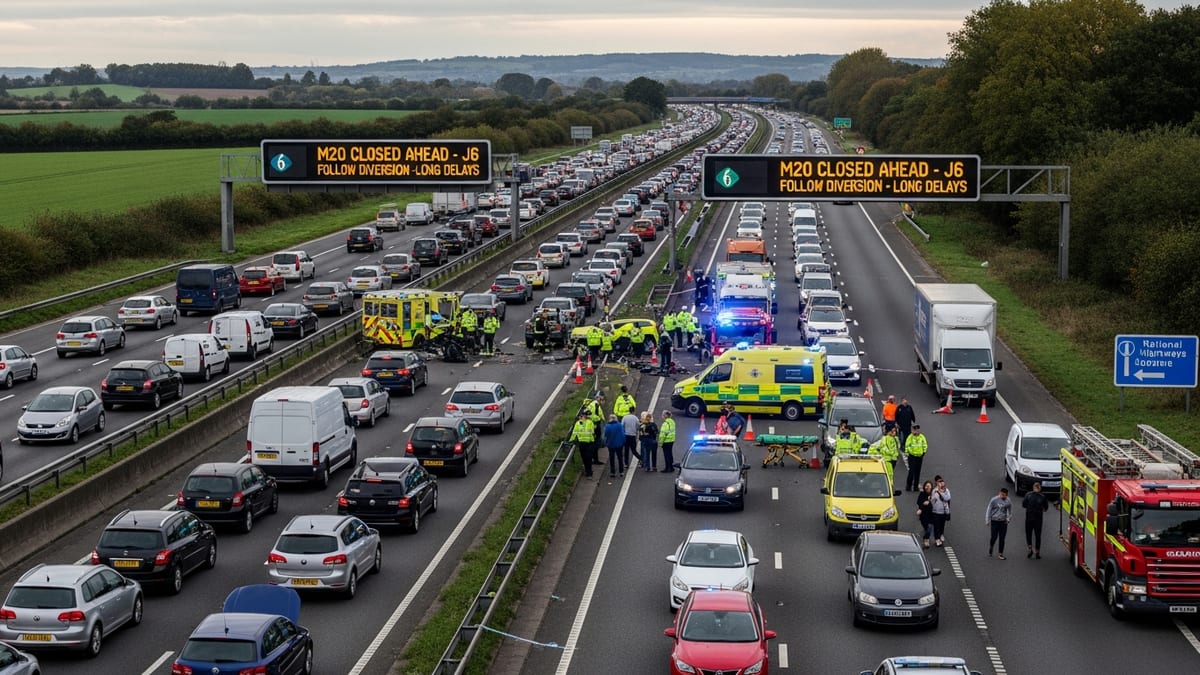
Work Zones Tighten Traffic Near Lowell’s Key Arterials
Published public documents on regional transportation projects show that the area around Interstate 495 and the Lowell Connector is the focus of multiple long term improvements intended to address heavy traffic volumes and aging infrastructure. Within Lowell, I-495 carries significant northbound and southbound flows that feed directly into local routes such as River Road and Lowell Street, which serve as main access points to residential neighborhoods, commercial strips and riverfront areas.
Recent planning materials and impact filings indicate that roadway and bridge work near the Merrimack River, combined with utility and pavement work on connecting local streets, are limiting capacity at several choke points. Even when construction is staged to keep at least one lane open in each direction, the loss of shoulder space and narrower travel lanes can slow traffic considerably, especially during peak periods.
Traffic analysis prepared for earlier safety and design studies in the Lowell area highlights how closely local streets and highway ramps interact. River-facing corridors such as River Road and adjoining segments near Lowell Street carry commuter traffic that enters and exits I-495 within short distances. As work progresses this week, any minor incident or slowdown near a work zone is likely to trigger backups that spill from the highway to surrounding surface streets.
Transportation planners have noted in past assessments that daily patterns on River Road and Lowell Street are highly directional, with heavier flows in the morning and late afternoon periods. With crews scheduled to continue intermittent daytime and overnight operations near the I-495 interchanges, drivers can expect these already busy windows to be particularly sensitive to delays.
Daytime Lane Reductions and Local Detours on River Road
Along River Road, publicly available project descriptions point to a mix of resurfacing, drainage and intersection work that will reduce lanes or shift traffic at various points during the week. In some segments, work is being carried out under alternating one way traffic directed by police details or temporary signal setups, creating periodic queues on approaches to the work areas.
Residents and commuters who rely on River Road should be prepared for slower travel between neighborhood access points and the nearest I-495 ramps. Even short term closures of one lane for milling, paving or utility trenching can cause extended backups when volumes are high. Reports from recent daytime operations in similar corridors around the Merrimack Valley indicate that travel times can double during the busiest parts of the afternoon.
Detours are expected where side street connections are temporarily blocked for reconstruction or utility tie ins. In those cases, traffic is typically routed along parallel residential streets or back toward larger thoroughfares such as Route 110. Motorists unfamiliar with the local grid may experience additional delays as they navigate unfamiliar turns or encounter closely spaced traffic signals.
Project notices emphasize that access to homes and businesses along River Road is intended to be maintained, but drivers may encounter changes in driveway access patterns, shifted centerlines and temporary signage. Lower speeds through these segments will be necessary both for safety and to accommodate workers close to live travel lanes.
Lowell Street Congestion Near Intersections and Ramps
Lowell Street, another key connector between neighborhoods and the interstate system, is also expected to see heavier congestion tied to work near ramp intersections and signalized junctions. Previous safety audits in the region have identified these locations as particularly sensitive to changes in signal timing, lane markings or capacity reductions caused by construction staging.
Current schedules indicate that crews are focusing on curb, sidewalk and utility improvements in several spots, work that often requires closing a shoulder or right turn lane. When turning capacity is reduced at busy intersections, queues can quickly extend through upstream signals, making it more difficult for drivers to clear even when the mainline green is displayed.
Motorists traveling on Lowell Street toward I-495 during the morning rush may face intermittent delays as ramp volumes fluctuate in response to highway conditions. If congestion builds on the interstate due to a lane closure or incident, exit ramps can back up and interfere with the operation of adjacent surface street intersections, further slowing traffic for local trips.
Published guidance for similar projects in the area suggests that drivers who can shift trips outside of the heaviest commuter windows will experience more predictable travel times. Those who must use Lowell Street at peak hours should allow additional time and remain alert for changing lane assignments and temporary pavement markings.
Ongoing I-495 Improvements Add to Travel Time
Interstate 495 itself remains a focal point for long term improvement work across Massachusetts, including bridge replacements, ramp reconstructions and interchange modernization. Capital planning documents for the current investment cycle describe a series of projects intended to enhance safety and capacity at critical junctions, including those serving the Lowell area.
Construction staging for these projects typically involves overnight lane closures, rolling slowdowns and occasional ramp restrictions to accommodate structural work or traffic shifts. While much of the most disruptive work is scheduled outside of daylight hours, reports from previous closure periods show that residual congestion can persist into the morning commute when incidents or weather compound the effect of narrower lanes and temporary alignments.
In addition, the start of the summer travel season is increasing baseline traffic volumes on I-495 as vacationers head toward coastal destinations and regional events. Commentary and traveler reports from recent weeks describe recurring slowdowns near major interchanges, particularly where multiple on ramps converge or where nearby development has added new demand.
With several active work zones along the corridor this week, drivers traveling through the Lowell segment of I-495 should be prepared for sudden speed reductions, changing merge patterns and brief stoppages associated with short duration operations. Electronic signs and traffic advisories are being used to alert motorists to upcoming closures, but congestion may still appear unexpectedly around curves or just beyond bridge crossings.
Planning Ahead to Avoid the Worst Delays
Given the overlapping impacts on River Road, Lowell Street and I-495, transportation agencies and regional advisory resources are encouraging drivers to plan ahead and consider alternatives when possible. Suggested strategies include allowing extra time for commutes, traveling outside peak hours, and using parallel routes that offer more consistent speeds even if the total distance is longer.
For local trips within Lowell and adjoining communities, some drivers may find it helpful to rely more on urban arterials and collector streets that do not directly interface with I-495 work zones. However, these streets can quickly become congested if large numbers of motorists divert from the highway, so real time observation and flexibility remain important.
Publicly available traffic information from state and regional sources can help identify the times of day when work is scheduled or when recent incidents are affecting flow. While conditions can change quickly, checking for recent advisories before starting a trip may allow drivers to adjust departure times or choose less affected routes.
Transit, carpooling and remote work arrangements may also help reduce individual exposure to delays. For those who must drive through the affected corridors this week, maintaining lower speeds, avoiding last second lane changes and observing work zone signage will contribute to safety while helping traffic move as efficiently as possible under constrained conditions.