


More news on this day
Azamara Cruises has introduced a new global brand platform, “The Next Big Thing Is Small,” positioning its four-ship fleet and intimate, destination-focused style of cruising as an answer to changing expectations in modern travel.
Get the latest news straight to your inbox!
A Global Platform Built Around Small-Ship Experiences
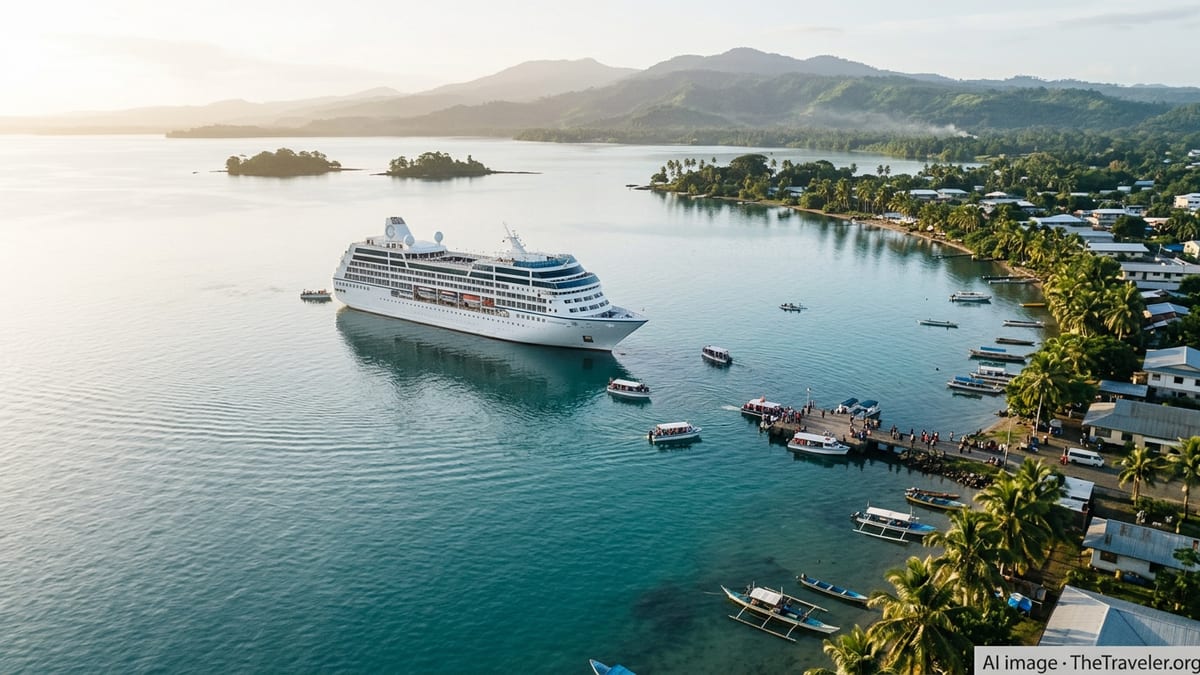
Publicly available information shows that Azamara’s new campaign is designed to anchor its brand around the advantages of small-ship cruising, from access to lesser-visited ports to longer stays in marquee cities. The line, which operates four boutique vessels carrying up to roughly 700 guests each, has long promoted its Destination Immersion focus and is now bringing that message under a single, memorable tagline.
The “The Next Big Thing Is Small” concept reflects a broader shift in traveler priorities, with more guests seeking itineraries that trade scale and spectacle for depth and authenticity. Industry coverage indicates that Azamara is leaning into this preference by emphasizing extended port days, frequent overnights, and docking closer to city centers, highlighting how smaller ships can embed travelers more directly into local life.
According to published coverage of the launch, the campaign is rolling out globally across digital channels, print, trade media, and direct marketing. The message is expected to sit alongside existing Azamara themes such as Destination Immersion and its AzAmazing Evenings programs, effectively tying together product elements the line has been developing over recent years.
Brand materials suggest that Azamara is using the new platform not only to attract first-time guests but also to reinforce its positioning with travel advisors, who play a central role in the small-ship and luxury segments. By packaging longstanding features in a fresh narrative, the company aims to differentiate itself within a crowded premium and boutique cruise marketplace.
Storytelling Through Real Guests and Unscripted Moments
Reports on the campaign indicate that Azamara’s creative approach departs from polished model photography in favor of real travelers and candid onboard interactions. The brand is spotlighting moments such as crew members remembering guest milestones, personalized notes left in staterooms, and spontaneous gestures of service that are more feasible on smaller ships.
This focus on emotional storytelling aligns with a larger trend in travel marketing, where brands increasingly promote how a trip feels rather than only where it goes. In Azamara’s case, the narrative centers on how small details, like being recognized by name or finding a favorite drink waiting at the bar, can become defining memories of a voyage.
Published descriptions of the photo and video shoots suggest that participants were invited to move around the ship naturally while cameras captured interactions in the background. The resulting imagery is meant to convey a sense of authenticity, reinforcing the idea that the most powerful moments are unscripted rather than staged.
Industry observers note that this approach also helps distinguish the campaign visually. In a category where advertising often showcases sweeping ship exteriors and dramatic destination vistas, Azamara is betting that intimate, people-centric scenes will resonate more strongly with travelers who are already familiar with the allure of marquee ports.
Connecting Campaign Timing With Evolving Travel Demand
The new brand platform arrives at a time when cruise demand is rebounding and, in some regions, surpassing pre-2020 levels. Analysts point out that travelers are looking for itineraries that offer both comfort and deeper engagement with local culture, after years in which flexibility and meaningful experiences have become more valued than sheer volume of sights.
Azamara’s timing also aligns with its own deployment strategy. Public materials indicate that the line continues to open future seasons earlier, extend its calendar into new years, and promote combination sailings that link multiple itineraries into longer journeys. Bringing these elements under the “The Next Big Thing Is Small” umbrella helps present a coherent case for why guests might plan well ahead for extended voyages.
Industry coverage suggests that the campaign is not primarily a short-term push to fill near-term capacity, but a long-range positioning effort tied to 2027 and 2028 sailings and beyond. By emphasizing small-ship advantages now, the brand aims to secure a share of travelers who are rethinking how often they travel, how far they go, and how deeply they engage with each destination.
The campaign also speaks to broader shifts in consumer attitudes, where terms like “quiet luxury” and “slow travel” are gaining traction. Azamara’s emphasis on small ports, uncrowded spaces, and longer days ashore fits squarely within that narrative, appealing to guests who prefer a measured pace and richer local experiences over high-density entertainment.
Media Strategy: Digital Reach and Trade-Focused Messaging
Published accounts of the rollout indicate that digital and social media sit at the center of “The Next Big Thing Is Small,” with video content playing a prominent role. Short-form clips of real interactions, from sailaway celebrations to low-key moments on deck, are expected to feature heavily across platforms where travelers search for inspiration and share their own experiences.
At the same time, Azamara is maintaining a significant presence in trade and consumer print outlets, particularly in key European markets. Reports point to ongoing placements in travel industry publications, underscoring the company’s reliance on advisors who curate complex itineraries and recommend small-ship options to clients looking beyond mainstream mega-vessels.
Direct mail remains a notable component of the strategy, especially for engaging past guests who respond well to tactile marketing and detailed itinerary information. Integrating the new tagline into these materials helps bridge the gap between emotional storytelling and practical planning details such as sailing dates, port calls, and land programs.
The brand is also drawing on a steady stream of real-time imagery from onboard photographers. Public information suggests that these photos, shared promptly through social channels, allow the campaign’s theme to evolve dynamically as ships move from region to region, keeping the message closely tied to the experiences guests are having at sea.
Reframing Modern Travel Through the Lens of “Small”
Beyond ship size, Azamara is using the campaign to broaden what “small” means in the context of modern travel. Brand messaging associates the term with lesser-known ports, quieter corners of popular cities, and curated experiences that connect guests with local communities in more measured ways.
According to company-facing information, Azamara continues to highlight programs such as Extended Destination Days and overnight stays that give guests time to explore neighborhoods, attend cultural performances, or join land tours that extend beyond the standard day in port. These elements are being recast as examples of how small shifts in timing and access can significantly change the feel of a journey.
Industry analysis notes that this framing responds to travelers who want to reduce the sense of rush that sometimes accompanies tightly timed itineraries. By stressing longer days in port and fewer late-evening sailaways, the brand is positioning its voyages as a way to experience destinations in a more relaxed, locally attuned rhythm.
In tying these ideas together, “The Next Big Thing Is Small” functions as both a tagline and a statement about where the company believes the cruise sector is headed. For Azamara, it is a declaration that the future of travel may rely less on ever-larger hardware and more on smaller, more personal moments that leave a lasting impression long after the ship has sailed.