


More news on this day
Rail passengers planning to travel via London St Pancras over the last weekend of November are being urged to check their journeys carefully, as a major programme of engineering works is set to significantly reduce services on key East Midlands routes.
Get the latest news straight to your inbox!
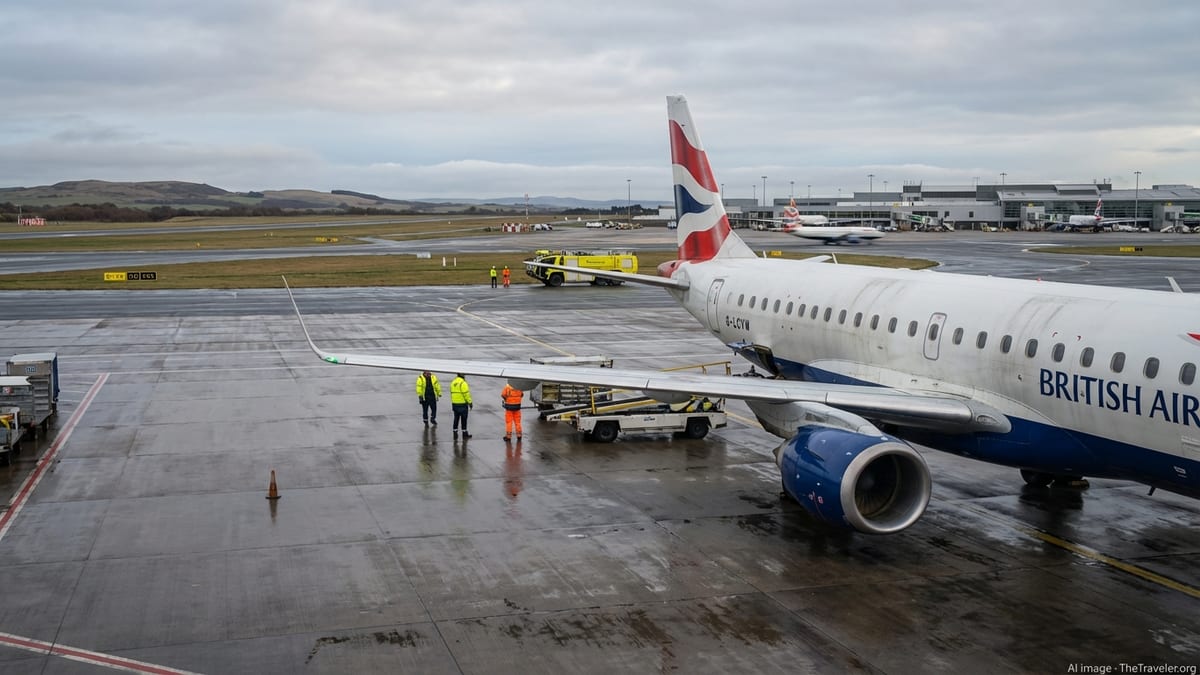
St Pancras services heavily reduced on 28–29 November
Published information from East Midlands Railway and industry reports indicate that long-distance services to and from London St Pancras will be sharply reduced on Saturday 28 and Sunday 29 November 2026 because of planned engineering works on the Midland Main Line.
According to recent coverage in London transport media, the operator expects a much smaller timetable between London and cities including Nottingham, Derby and Sheffield over that weekend. Trains that do run are expected to be busier than usual, with journey times extended and some departures replaced by buses on parts of the route.
Industry updates state that the works form part of a wider programme of track and signalling upgrades intended to improve reliability on one of the country’s busiest intercity rail corridors. However, the scale of the work means weekend leisure and early festive shopping trips that normally flow through St Pancras are likely to be affected.
Passengers with advance tickets for those dates are being advised in public material to check their specific train before travel, as timings and stopping patterns may differ from those originally advertised when tickets were purchased.
Impact on East Midlands and local Thameslink routes
The planned engineering activity focuses on the main lines north of London, limiting the number of trains that can operate into St Pancras. As a result, published timetables show fewer East Midlands Railway intercity services between London and the East Midlands, with some trains starting or terminating away from the capital.
Coverage in national and regional outlets indicates that while Thameslink services through central London are expected to continue running, they will not fully replace the lost capacity on the long-distance network. Many Thameslink trains are also likely to be busier than normal as passengers seek alternative routes.
Some reports suggest that journey planners may show extended travel times or multiple changes for trips that would usually involve a single direct train to or from St Pancras. In some cases, rail replacement buses are expected to operate on sections of line where the tracks are completely closed.
Information available at the time of writing does not indicate a complete closure of London St Pancras station itself, but the significant reduction in long-distance services effectively turns the hub into a much more limited operation for the weekend.
Knock-on effects across London’s mainline network
The works affecting St Pancras come on top of other planned engineering projects across London’s rail network that same weekend, increasing the risk of crowding and longer journeys for travellers trying to reroute.
Rail industry bulletins show that London Paddington will also see major disruption on 28 and 29 November, with no trains running between Paddington and either Maidenhead or Heathrow Airport due to separate engineering works. Great Western Railway services are expected to be diverted or curtailed, and passengers heading for Heathrow are being advised in public notices to use alternative transport such as the London Underground or coach services.
Specialist transport coverage notes that this combination of St Pancras and Paddington works will remove a large amount of long-distance and airport capacity in and out of London during a single weekend. This is likely to put additional pressure on other major London termini including Euston, King’s Cross, Waterloo and Victoria, as well as on cross-city Underground routes.
Planning information from infrastructure managers explains that scheduling several projects together over one weekend can reduce the overall length of disruption, but it can also concentrate the impact for passengers, particularly those travelling for one-off events or early seasonal breaks.
Advice for affected travellers and ticket holders
Publicly available travel guidance repeatedly stresses the importance of checking journeys in advance for the weekend of 28–29 November 2026. National journey planners are being updated as timetables are finalised, and passengers are being encouraged to re-check closer to the date in case of further changes.
Industry websites advise that passengers who have not yet bought tickets and can be flexible may wish to travel on alternative dates to avoid the works period. For those who must travel that weekend, the guidance is to allow extra time, expect busy trains, and be prepared for one or more changes of train or a section by bus.
Rail operators are also reminding passengers through their public channels that standard delay and disruption policies will apply. Where journeys are postponed or significantly altered because of the changes, customers may be entitled to use tickets on alternative services, to rebook without additional fees, or to claim compensation under existing delay schemes, subject to each operator’s conditions.
Passengers with mobility needs or those travelling with young children, bulky luggage or pets are being encouraged in published information to plan their routes carefully, as some of the replacement buses and diverted services may have different accessibility features or boarding arrangements compared with their usual trains.
How to stay updated as plans evolve
Network Rail and train operators continue to emphasise through their public information channels that engineering programmes of this scale can be refined as the date approaches. Occasional changes to the exact pattern of closures, bus connections or diverted trains are possible if project requirements or safety considerations change.
Travellers are therefore advised to use official journey planners and operator service pages as the definitive source for the latest timings over the last weekend of November. Independent journey-planning apps and media reports can provide useful overviews, but they may lag behind the most current operational data.
For visitors arriving from overseas, travel experts often recommend checking rail information again once in the United Kingdom, particularly if a long-distance journey to or from London is planned for 28 or 29 November. Station departure boards, customer information screens and public address announcements typically carry details of any last-minute alterations on the day.
With St Pancras, Paddington and other parts of the network affected by works at the same time, those heading into or out of London on that final November weekend are likely to face a more complex journey than usual. Careful planning, additional time and a willingness to consider alternative routes will be key to keeping travel as smooth as possible.