


More news on this day
Travel advisories for Colombia, one of South America’s most visited destinations, have been tightened in 2026 as multiple governments highlight elevated security risks and renewed concerns about violent crime in several regions.
Get the latest news straight to your inbox!
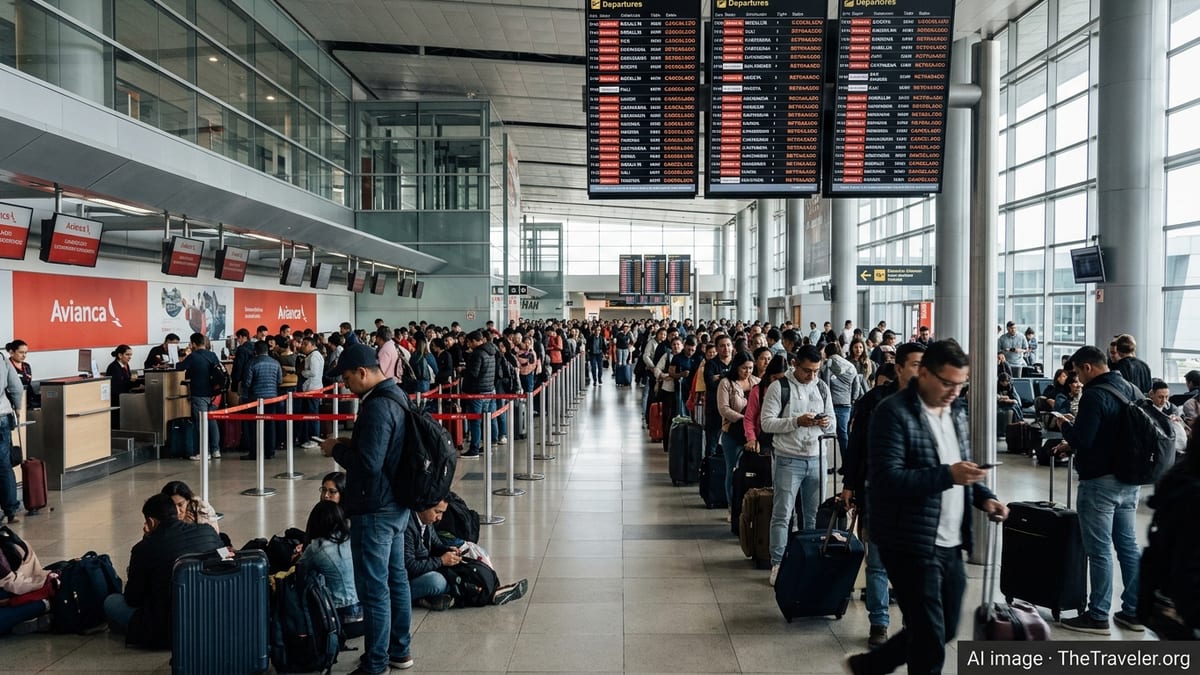
Advisory Level Raised As Security Concerns Grow
Colombia’s overall risk profile for foreign travelers has moved upward in 2026, with publicly available information from the United States describing the country at Level 3, advising travelers to reconsider travel due to crime and terrorism. The latest update, issued at the end of March 2026, reflects a reassessment of nationwide conditions rather than a short term incident, signaling that safety concerns are now considered more structural than temporary.
International coverage indicates that this shift follows a sustained period of high criminal activity, including armed robberies, extortion, kidnappings and clashes between armed groups, particularly in border and rural areas. Security alerts circulated in July 2026 for U.S. citizens in Colombia cite continued criminal activity and urge travelers to remain aware of their surroundings, especially in major cities and along some intercity routes.
Other governments and travel risk consultancies also describe a complex and uneven security situation. While major urban centers such as Bogotá, Medellín and Cartagena continue to attract large numbers of international visitors, assessments emphasize that crime rates remain high by global standards and that incidents can affect tourists as well as residents.
Despite the tougher wording in advisories, Colombia’s tourism sector has not collapsed. Recent industry analyses referenced in local discussions suggest that international arrivals continued to grow in early 2026, underlining the gap between formal warnings and on the ground travel demand.
Regional Disparities And Areas Of Higher Risk
Updated guidance stresses that risk levels vary significantly across Colombia’s regions. Publicly available advisory maps distinguish between popular tourist hubs, where routine precautions are generally considered sufficient, and border or rural zones where organized crime and armed groups are more active and where travel is discouraged or advised only for essential purposes.
Areas near the borders with Venezuela and Ecuador, sections of the Pacific coast and parts of the countryside in departments such as Arauca, Norte de Santander, Chocó and Nariño are frequently highlighted for higher levels of violence, including clashes between criminal organizations and security forces. Reports indicate that these regions see elevated rates of kidnapping, illegal roadblocks and confrontations that can trap uninvolved civilians.
Even within cities that are widely visited, risk can vary from neighborhood to neighborhood. Open source travel advice from several countries notes that certain districts in Bogotá, Medellín, Cali and coastal cities experience higher levels of street crime, particularly after dark. Visitors are urged to research specific areas carefully and consult recent local information before booking accommodation or moving around.
Advisories also flag overland travel as a point of concern. Some intercity and rural roads are identified as vulnerable to armed robbery and roadblocks, especially at night. Travelers are encouraged to use reputable transport providers, avoid overnight bus journeys where possible and monitor news reports for temporary closures or security operations.
Practical Guidance For Tourists Planning Trips
While the latest travel warnings sound cautious, they stop short of recommending that all tourism to Colombia cease. Instead, they outline a series of practical measures that visitors can take to reduce exposure to crime and disruption. Publicly accessible government and embassy resources repeatedly highlight the importance of situational awareness and conservative choices about movements, money and technology.
Common recommendations include choosing accommodation in established neighborhoods, arranging airport transfers through trusted providers and avoiding the public display of valuables such as smartphones, cameras and jewelry. Travelers are advised to use hotel safes where available, carry only the cash and cards needed for the day and keep photocopies or digital backups of passports and key documents.
Guidance also emphasizes the value of local knowledge. Many advisories recommend that visitors seek up to date information from hotels, tour operators and recognized tourism offices about which districts to avoid, current protest activity and any recent changes to public transport safety. Organized tours are often depicted as a safer option for visiting some attractions outside city centers.
Another recurring point is the need to maintain flexibility in itineraries. Political demonstrations and security operations can lead to sudden road closures or changes to flight schedules. Travelers are encouraged to build extra time into their plans, keep airline and accommodation contacts accessible and register with their own government’s travel notification systems where such services exist.
Impact On Tourism And Local Travel Industry
The recalibrated travel warnings arrive at a time when Colombia has been working to strengthen its image as a diverse and welcoming destination, known for coffee landscapes, Caribbean beaches and revitalized urban centers. Industry data cited in local media suggest that international arrivals have generally trended upward in recent years, with 2025 marking a record year and early 2026 figures continuing to rise, despite security headlines.
Tourism operators within Colombia have responded by stressing risk management and highlighting positive traveler experiences in core destinations. Many agencies promote guided experiences, curated neighborhood tours and coordinated transport as ways to provide reassurance to visitors while still allowing them to explore beyond resort areas.
At the same time, the shift to a higher advisory level can have tangible implications. Some business travelers face stricter internal company travel policies when a destination moves into a reconsider travel category, and certain types of insurance may become more expensive or subject to additional conditions. These changes can affect conference organizers, inbound tour companies and small businesses that rely on international clientele.
For now, Colombia’s tourism outlook appears defined by a balance between sustained interest and a more cautious risk environment. Travelers who continue to visit are being asked to prepare more thoroughly, stay informed and adapt their plans as needed, while the country’s tourism sector works to maintain momentum under closer global scrutiny.
What Travelers Should Watch In The Coming Months
Looking ahead through the rest of 2026, Colombia’s travel risk profile will likely depend on the trajectory of crime trends, the evolution of armed group activity and the effectiveness of security measures. Analysts and travel risk providers indicate that any marked improvement or deterioration could trigger further adjustments to official advisories.
Travelers planning trips later in the year are encouraged to monitor updates from their own governments, as advisory levels and regional cautions can change with relatively short notice. News outlets and specialized travel security bulletins also provide context on emerging hot spots, major incidents and shifts in policy that could affect routes, curfews or access to certain areas.
Weather patterns and seasonal events may also play a role. Heavy rains can exacerbate road safety issues, while major festivals and holiday periods tend to increase crowds and opportunities for petty theft in urban centers. Visitors who adjust plans to account for these factors are generally better placed to respond calmly if circumstances change.
In practical terms, the updated warning for Colombia does not mean that travel is off the table for international visitors, but it does indicate that trips require more planning than to many other destinations in the region. For those willing to take on that additional preparation and to remain alert once on the ground, Colombia remains accessible, though under a heightened and closely watched security backdrop.