


More news on this day
Severe Fourth of July storms tore through the Tri-State area over the holiday weekend, disrupting New Jersey Transit rail service, toppling trees across New Jersey and New York, and leaving tens of thousands of customers without power as crews moved into an intensive cleanup and repair phase.
Get the latest news straight to your inbox!
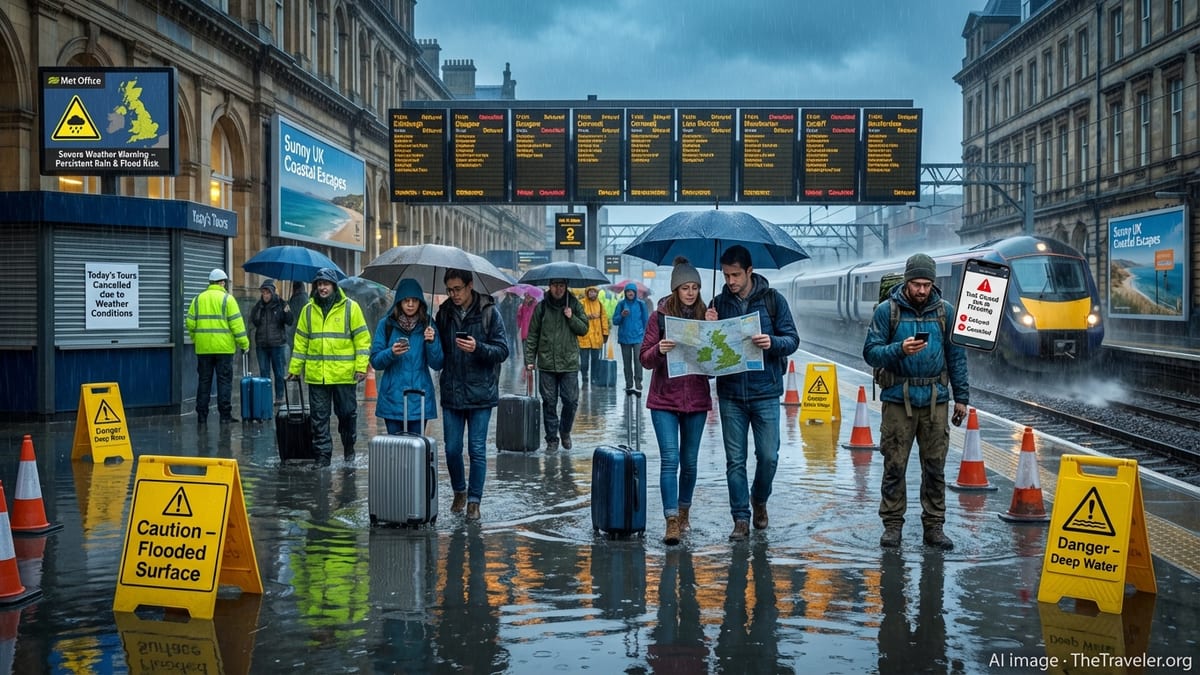
Rail Service Across New Jersey Sees Major Disruptions
Publicly available information from New Jersey Transit on Sunday, July 5, indicated that multiple rail lines remained suspended or operating on modified schedules after Friday night’s powerful thunderstorms damaged overhead wires, signals, and trackside equipment. Service on the Morris and Essex Line and the Gladstone Branch was still halted as workers addressed downed trees and infrastructure damage along the right of way, while other lines operated with delays and crowding as riders sought alternatives.
Reports from regional outlets show that storm debris fell directly onto tracks in several locations, including portions of the North Jersey Coast Line, where trees and large branches blocked trains and forced suspensions through part of Saturday. Images circulated by local media depicted rail cars idled behind fallen trunks and tangled wires, underscoring the vulnerability of heavily wooded corridors when straight-line winds race through at highway speeds.
According to published coverage, NJ Transit rail tickets were being cross-honored on select bus routes and on connecting systems serving Newark Penn Station, Hoboken Terminal, and midtown Manhattan. The shift funneled additional passenger loads onto bus and subway networks already strained by holiday traffic and the end of a prolonged heat wave, leading to longer door-to-door travel times for commuters and leisure travelers alike.
By Sunday morning, most core commuter routes had at least partial service restored, but rail travelers across New Jersey were still being urged to check digital alerts before heading to stations. Local reporting highlighted scenes of crowded platforms, altered weekend plans, and tourists navigating unfamiliar bus detours as the region adjusted to a second day of weather-related transit disruption.
Widespread Tree Damage From Hoboken to the Jersey Shore
The same fast-moving storm line that ripped through rail corridors also caused extensive tree damage in residential neighborhoods and waterfront communities. Coverage from New Jersey-focused outlets describes mature trees torn from the ground in Hoboken’s south waterfront area, where high winds on Friday night snapped trunks and scattered limbs across walkways, parked cars, and riverfront parks.
Farther south, media reports from Monmouth and Ocean counties detail blocks of downed trees along local roads, with some trunks leaning into power lines or resting against homes. Images from coastal and inland towns show root balls lifted clean out of saturated soil, a sign of wind gusts powerful enough to overcome even well-established shade trees after days of oppressive heat and humidity.
In Central Jersey, regional news coverage notes that entire stands of roadside trees gave way as the line of storms plowed east, briefly closing key local routes and slowing emergency and utility access. Residents described branches scattered across driveways and yards, with some towns advising caution on footpaths and in parks until municipal crews could fully assess and remove weakened limbs.
Across the Hudson River in New York City, televised reports documented similar scenes, including a tree that crashed into a subway train near Yankee Stadium in the Bronx. While injuries appeared limited, the incident highlighted how even short-lived summer thunderstorm events can quickly impact both surface streets and critical transit infrastructure when trees come down in dense urban settings.
Power Outages and Holiday Travel Plans Thrown Off Course
Utility updates on Sunday pointed to a prolonged restoration effort after the storms knocked down poles, snapped crossarms, and tangled distribution lines with broken branches. Energy companies serving central and northern New Jersey reported wind gusts approaching hurricane force in some locations, contributing to what one regional outlet characterized as one of the more disruptive non-tropical summer events in recent years for the state’s grid.
At the height of the outages late Friday and into Saturday, more than 200,000 customers in New Jersey alone were reported without electricity, according to publicly available utility figures and local news tallies. Many of those outages were concentrated in communities where tree-lined streets and aging infrastructure intersect, complicating restoration as crews navigated blocked roads and lingering debris.
The timing of the storms, arriving on the eve of Independence Day festivities, left some households and businesses scrambling. Reports from shore towns described residents losing power just as they prepared for holiday barbecues and fireworks gatherings, while hotels and short-term rentals along the coast relied on backup plans to keep guests comfortable during the lingering heat.
Travelers moving between New Jersey and New York on Saturday encountered a patchwork of conditions. With some rail lines suspended and others delayed, and with traffic signals dark at various intersections, published coverage indicates that many opted to delay trips or stay closer to home, easing congestion on highways but amplifying frustration for those with fixed plans or time-sensitive connections.
Cleanup, Repairs and a Renewed Focus on Resilience
By Sunday, attention across the Tri-State area had shifted from immediate emergency response to cleanup and longer-term repairs. Municipal crews, private contractors, and utility teams could be seen clearing branches, hauling away large tree sections, and inspecting rooftops and streetlights in neighborhoods from North Jersey suburbs to coastal communities along the shore.
Transit maintenance teams continued to work along rail corridors, using specialized equipment to remove debris from tracks, re-string overhead wires, and assess any damage to signal systems. Published reports note that rail restoration efforts are being prioritized on the most heavily used commuter segments, with expectations that some outlying branches could experience longer recovery times as hazards are identified and addressed.
The storms also renewed conversation about infrastructure resilience in a region that has faced repeated weather-related transit disruptions in recent years, from winter blizzards to coastal storms. Planning documents and previous state transportation analyses have stressed the importance of stronger vegetation management along rail rights of way, modernized signaling, and hardened substations to reduce the impact of downed trees and flooding during severe weather.
Local commentary emerging in the wake of the latest storms reflects growing concern over how often high-impact events are affecting daily life, particularly for residents who rely on public transportation and live in older, tree-lined communities. While the holiday weekend storms were relatively brief, the combination of travel disruptions, power outages, and property damage has added fresh urgency to calls for continued investment in both transit reliability and urban tree maintenance across New Jersey and New York.