


Online travel agencies like Trip.com promise lower prices, flexible cancellation guarantees, and one-stop convenience. Airlines and hotels, on the other hand, insist you are better off booking directly with them. For travelers planning trips in 2026, the choice is not always obvious. The right answer depends on what you are booking, how complex your plans are, and how much risk you are willing to accept when things go wrong.
Get the latest updates straight to your inbox!
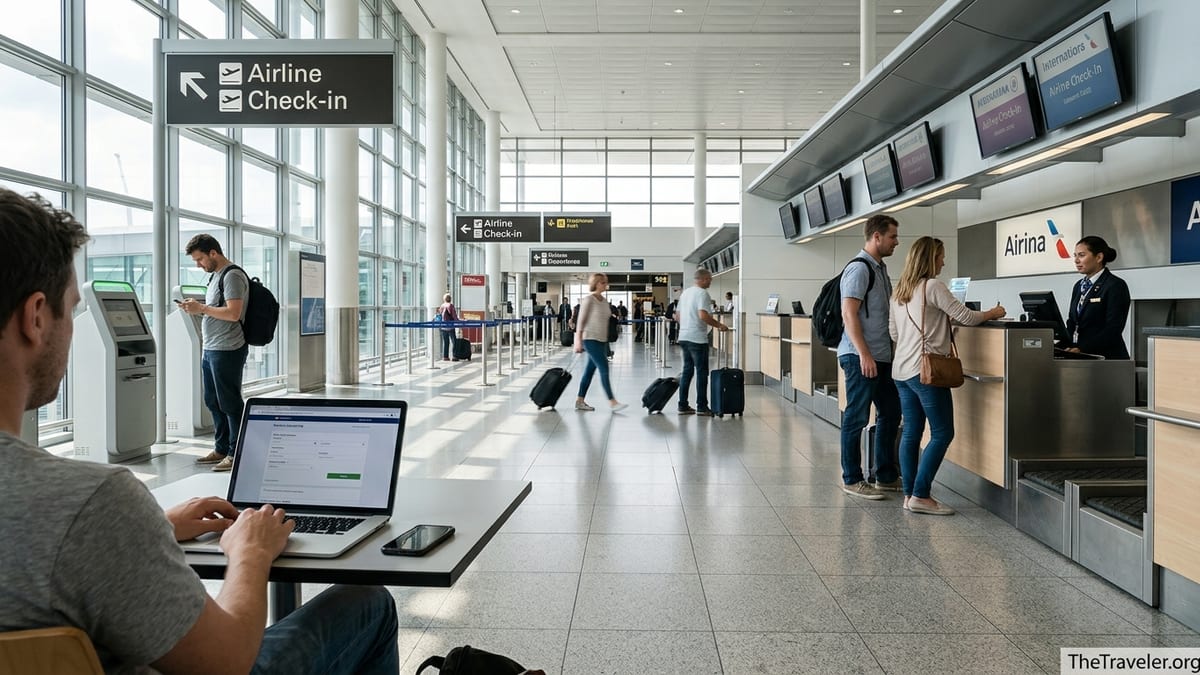
How Trip.com Works Compared With Booking Direct
Trip.com is a global online travel agency owned by Trip.com Group, the same Chinese-based group that owns Skyscanner and Ctrip. It aggregates flights from hundreds of airlines and rooms from more than a million properties into one searchable platform. For travelers in the United States, this means you can look at a New York to Tokyo flight on Japan Airlines, United, ANA, and low cost carriers, then immediately compare hotel options in Shinjuku or Shibuya on a single screen.
When you book through Trip.com, you are not the airline’s or hotel’s direct customer. Instead, Trip.com sits between you and the provider. The airline issues your ticket to Trip.com, and the hotel receives the reservation from Trip.com’s system or local partners. If you need to change a flight or adjust a room, you usually must go back through Trip.com so they can work with the provider on your behalf, following the rules in Trip.com’s and the provider’s terms and conditions.
Booking direct removes that middle layer. If you buy a Delta ticket on the Delta website or an IHG hotel night through the Holiday Inn site, your contract is with the airline or hotel. Customer service, refunds, and schedule changes are handled directly by the provider. This direct relationship often becomes crucial when bad weather hits, a flight is canceled, or you arrive at a hotel and discover an issue with the room.
In practice, Trip.com behaves differently depending on what you are buying. For a simple New York to Paris round-trip on a major carrier, it primarily passes through the airline’s fares and rules. For a complex multi-city itinerary with regional carriers in Asia, a budget hotel in Bangkok, and a high speed rail ticket in Japan, Trip.com bundles together products from multiple partners. That can create impressive savings, but it also introduces more moving parts that need coordination when anything changes.
Price Comparisons: Where Trip.com Can Save You Money
Trip.com’s biggest appeal is price. Travelers regularly report finding international fares that are noticeably cheaper than booking the same flight on the airline’s site. For example, a traveler in Los Angeles comparing a spring 2026 economy flight to Seoul might see Korean Air pricing around 1,250 dollars on its own website, while Trip.com surfaces the same flight, same fare class, closer to 1,120 dollars. On a family booking four seats, that 130 dollar gap per person quickly turns into several hundred dollars saved.
Hotel pricing can show similar gaps, especially in Asia where Trip.com’s local partnerships are strong. A business hotel in Tokyo’s Shinagawa district that lists for 180 dollars per night on the hotel’s English website may appear on Trip.com for the equivalent of 155 to 165 dollars, particularly when Trip.com is running regional promotions or app-only coupon campaigns. Over a six-night stay, that difference can cover airport transfers or several dinners.
However, those savings are not universal. In the United States and Europe, large chains like Marriott, Hilton, and Hyatt often enforce “best rate” policies on their own websites, then quietly add perks for direct bookers. That same 300 dollar night at a Hilton property in Chicago may cost roughly the same on Trip.com, but booking direct could include free Wi-Fi upgrades, bonus loyalty points, or a modest food and beverage credit for elite members. Over a three or four night work trip, these soft benefits can outweigh a small difference in nightly price.
Package pricing is another area to scrutinize. Trip.com sometimes promotes flight plus hotel bundles, particularly for leisure destinations such as Phuket, Bali, or Dubai. While not as aggressive as some competitors, these bundles can undercut the combined cost of buying the same flight and hotel separately, especially when Trip.com has negotiated merchant rates on specific resort properties. That said, travelers should still run the comparison: price out a five-night resort stay plus round-trip flights separately on the airline and the hotel’s own site, then compare to Trip.com’s package total before assuming the bundle is cheaper.
Flexibility, Cancellations, and What Happens When Plans Change
The biggest trade-off with Trip.com is how changes and cancellations are handled. Trip.com’s own help pages make clear that it acts as an agent. The flexibility you have with your ticket or room is governed first by the airline’s or hotel’s policy and only second by Trip.com’s overlay of service terms. For example, if you buy a basic economy ticket on a US carrier through Trip.com, the airline’s usual restrictions on changes and refunds still apply, and Trip.com may add its own service fee if you need to make a change by phone.
In some markets, Trip.com sells optional “cancellation guarantee” products or higher-flexibility hotel rates. These may sound like generous protection, but the fine print often reveals narrow conditions. A traveler in London might see a 400 dollar economy ticket to New York with an optional cancellation guarantee for a modest extra fee. If the guarantee only refunds the airline’s penalty portion or requires extensive documentation of a qualifying reason, the protection may be less useful than it appears at first glance. Many frequent flyers instead prefer to buy a flexible fare directly from the airline or rely on comprehensive travel insurance from a standalone insurer.
Real-world reports show that when irregular operations happen, such as mass storm cancellations or sudden schedule changes, travelers who booked through Trip.com can find themselves waiting in longer service queues. An airline gate agent in Chicago may tell a passenger that because the ticket was issued by Trip.com’s agency, any rebooking must go back through Trip.com. If Trip.com’s phone lines are overwhelmed and its messaging channels are backlogged, that can mean missed connections or an extra night unexpectedly stranded in a hub.
Hotel cancellations are a bit less dramatic but still important. Picture a traveler who books a four-night stay in Bangkok on a Trip.com nonrefundable rate, then discovers two weeks before departure that their work schedule has changed. If the hotel itself would have allowed date changes on its own semi-flexible rate direct, the traveler is still constrained by the stricter nonrefundable terms they chose on Trip.com. Some hotels will show flexibility if you contact them directly, but many will insist that any change must be processed by the channel through which you booked, which pushes you back to Trip.com’s service center and its published policies.
Customer Service: Middleman Support vs Direct Help
Customer service is where the philosophical difference between Trip.com and booking direct really shows. Trip.com offers 24/7 support in multiple languages via app chat and phone. For straightforward issues such as re-sending a hotel voucher or correcting a minor typo caught right after booking, this support is usually adequate. Travelers report that simple tasks can often be handled within the app without ever speaking to an agent.
Where frustration tends to rise is in complex problems. Consider a multi-leg itinerary from Dallas to Hanoi with a US carrier feeding into an Asian partner, booked on Trip.com. If the first flight from Dallas is delayed overnight due to storms, causing a misconnect, the US airline may be willing to rebook, but only through the issuing agent. That leaves the traveler calling Trip.com, which in busy periods can take hours to respond. In contrast, someone who booked the same flights directly through the main airline could stand in the rebooking line at the hub or use the airline’s app to find alternatives in near real time.
Similar stories appear around hotel overbookings and reservation glitches. A traveler who arrives at a small guesthouse in rural Italy to be told “we do not have your reservation from Trip.com” must rely on Trip.com’s team to negotiate, find an alternative property, or process a refund. If the property is fully booked and the town is hosting a festival, there may be limited alternatives at reasonable prices. Booking that same stay directly with the guesthouse, even at a slightly higher price, may have meant dealing with the owner personally by email or phone and resolving any issues on the spot.
This is not to say Trip.com’s service is universally poor. Many travelers complete dozens of bookings without a hitch. But compared with major US-oriented platforms or direct suppliers, response times can be slower and authority to make exceptions more limited. When weather disruption or health emergencies are part of your risk profile, the extra layer between you and the provider becomes a critical factor in deciding whether a discount is worth it.
Loyalty Programs, Perks, and Hidden Value
Another major difference between Trip.com and booking direct is how loyalty and perks are treated. Trip.com runs its own member tiers that offer small discounts, coupons, and sometimes access to member-only prices on hotels. A frequent user might save an extra few percent on selected stays in cities like Singapore or Bangkok, and those savings can stack with seasonal promotions. For budget-focused travelers hopping around Southeast Asia, this can be attractive.
However, most major hotel groups and airlines prioritize their own loyalty programs over agency bookings. Hotel chains such as Marriott, Hilton, and IHG generally state that points earning, elite night credits, and on-property perks are not guaranteed when you book through third parties. In practice, some properties may still honor benefits like late checkout or room upgrades for loyal guests who arrive with a third party booking, but others will strictly follow company policy. For a frequent traveler aiming to maintain Gold or Platinum status, the lost points and nights from a week in a city like London can outweigh a modest nightly discount from Trip.com.
Airlines operate similarly. Many will award miles and elite credit on tickets issued via Trip.com, but irregularities are more common. If a name mismatch or fare coding quirk appears, you may have to chase missing miles through both the airline and Trip.com. Booking directly on the airline’s site tends to produce cleaner tickets that post mileage correctly and are easier to modify in elite service channels.
Some hotels also quietly reward direct bookers with small but meaningful perks. A boutique hotel in Lisbon might publicly match rates from major online agencies while privately offering direct guests a complimentary breakfast, welcome drink, or flexible check-in window. These added touches can make a difference on longer stays or special trips, and they rarely show in headline price comparisons on Trip.com or other agencies.
When Trip.com Shines: Specific Use Cases
Despite the caveats, there are clear scenarios where Trip.com is a strong choice. One is point-to-point international flights where price is the dominant concern and disruption risk is relatively low. If you are a student flying from San Francisco to Seoul on a non-peak date, with no tight onward connection and flexible arrival plans, a 100 or 150 dollar saving from booking on Trip.com can be perfectly rational. You accept that if something goes wrong you may need to spend more time on the phone, but the base risk is moderate.
Another good use case is hotels in markets where Trip.com has particularly deep coverage and competitive contracts, such as mainland China, parts of East Asia, and some resort regions. For example, a traveler planning a two-week circuit through lesser known Chinese cities might find small business hotels or local chains on Trip.com that are either difficult to book in English on their own websites or not present on Western platforms. In these cases, Trip.com’s middleman role can be a genuine enabler rather than just a price arbitrage.
Trip.com can also be helpful for last-minute bookings when other sites show limited options. If you land late at night in Kuala Lumpur and unexpectedly need an extra night, Trip.com’s mobile app can surface a cluster of reasonably priced airport hotels or city properties with instant confirmation. While the same rooms may exist on the hotels’ own sites, the ability to filter by real-time availability, guest reviews, and transport distance in one interface is convenient.
Finally, travelers who value having all reservations in a single app may prefer Trip.com as a hub. Flights, hotels, trains in some countries, airport transfers, and attraction tickets can all sit in one itinerary. For some, that consolidated view is worth a small trade-off in flexibility or loyalty earnings, especially for short leisure trips where they are less concerned about elite status.
When Booking Direct Is Clearly Safer
There are also situations where booking directly with the travel provider is usually the smarter move. Complex or high-value itineraries are at the top of that list. If you are planning a 12-day trip involving a business class flight from New York to Johannesburg with a tight same-day connection in Europe, a safari lodge stay, and an internal regional flight, booking those critical flight segments directly with the airlines reduces the risk of finger-pointing if something changes. The more expensive and intricate the trip, the more you want to cut out intermediaries where possible.
Trips with a high probability of disruption also favor direct booking. Winter travel through hubs like Chicago, Denver, or Toronto, or trips during peak hurricane season to the Caribbean and Gulf Coast, are statistically more likely to involve cancellations and rerouting. In these contexts, direct access to airline rebooking tools and airport agents can be invaluable. Being told to “contact your online agency” while standing in a crowded terminal during a snowstorm can turn what would have been a manageable delay into an overnight headache.
Travelers relying on elite benefits and earning in loyalty programs should also lean toward booking direct. A road warrior who needs ten more elite nights this year with a major hotel chain will rarely find that a small discount from Trip.com justifies losing qualifying credit on a week-long conference stay. The same holds for frequent flyers strategically planning mileage runs or upgrades; ensuring tickets are issued cleanly and fully recognized by the airline’s system usually requires booking on the carrier’s own platform.
Finally, if you anticipate needing detailed pre-arrival communication with a hotel, direct booking is advisable. Examples include arranging accessible rooms, confirming pet policies for a long stay, coordinating late-night check-in at a remote lodge, or planning group room blocks for a wedding. Hotels sometimes respond more readily to direct reservation numbers and internal confirmations than to third party references, and they may have more flexibility to accommodate special requests when the booking came through their own channels.
The Takeaway
Choosing between Trip.com and booking directly is less about picking a winner and more about matching the tool to the trip. Trip.com can deliver real savings, especially on international flights and hotels in Asia, and it offers the convenience of managing multiple bookings in one place. For straightforward trips where cost is the main concern and the stakes are modest, those advantages can outweigh slower customer service and more complicated change processes.
Booking directly with airlines and hotels, meanwhile, tends to offer clearer accountability, faster help when something goes wrong, and more reliable access to loyalty benefits and on-property perks. For expensive, complex, or disruption-prone trips, or whenever you anticipate needing personalized support, direct booking remains the safer default.
For most travelers in 2026, a blended approach makes sense. Use Trip.com to scout prices and occasionally lock in especially strong deals on simple segments or regional stays. When you are planning a major trip, traveling in severe weather seasons, or depending heavily on elite benefits and smooth rebooking options, take the slightly higher price and book flights and key hotels directly. In a world of unpredictable disruptions and evolving terms, paying for control and clarity is often worth as much as a headline discount.
FAQ
Q1. Is Trip.com safe and legitimate to use for flights and hotels?
Trip.com is a large, established online travel agency used by millions of travelers worldwide. It is generally safe in the sense that it issues real airline tickets and hotel reservations. The main risk is not fraud but the extra layer of customer service you must go through if something goes wrong, such as cancellations, schedule changes, or reservation errors.
Q2. Why are flights sometimes cheaper on Trip.com than on the airline’s website?
Trip.com can access different fare inventories, regional promotions, or contracted rates that do not always appear on an airline’s public site. It may also choose to reduce its own commission on certain routes to appear cheaper. However, not every route is cheaper, and airlines sometimes match those prices or add perks for direct bookings, so it is worth comparing before you decide.
Q3. What happens if my flight is canceled and I booked through Trip.com?
If your flight is canceled, the airline’s rules govern your options, but you will usually need to work through Trip.com to rebook or request a refund. Airline agents at the airport may redirect you back to Trip.com because it issued your ticket. This can slow things down during major disruptions, so for trips where timing is critical, many travelers prefer to book directly with the airline.
Q4. Do I still earn airline miles and status credit when I book via Trip.com?
In many cases you do earn miles and status credit if your frequent flyer number is correctly added to the booking and the fare is eligible. However, occasional issues with fare coding or name details can lead to missing credit, and you may need to resolve that through both Trip.com and the airline. Booking direct tends to result in fewer problems with mileage posting and makes it easier to get help through elite service channels.
Q5. Will my hotel loyalty benefits apply if I reserve through Trip.com?
Major hotel groups often state that points, elite night credits, and guaranteed perks apply only to direct bookings. Some individual hotels may still honor benefits informally, but there is no guarantee. If earning or maintaining status with a chain is important for you, or if you rely on perks like free breakfast and room upgrades, you are usually better off booking directly with the hotel.
Q6. Are Trip.com’s “cancellation guarantee” products worth buying?
The value of Trip.com’s cancellation guarantees depends heavily on the fine print. These products can offer extra flexibility in limited circumstances, but they may only cover certain reasons or refund only part of your costs. Before paying more for a guarantee, compare it with buying a flexible fare directly from the airline or a comprehensive travel insurance policy that covers a wider range of events.
Q7. When is it smarter to book directly instead of using Trip.com?
It is usually smarter to book directly for complex or expensive itineraries, trips with a high chance of disruption such as winter travel through busy hubs, and stays where you need clear access to loyalty benefits or special handling from the hotel. Direct booking gives you a simpler relationship with the provider and quicker access to help if anything changes.
Q8. Can I contact the hotel directly if I booked through Trip.com?
You can often contact the hotel to ask general questions or make informal requests, but many properties will tell you that any change to dates, room type, or price must go through Trip.com. They rely on the information and terms received from the agency. If you expect to adjust plans frequently or need detailed arrangements, booking directly with the hotel is usually more straightforward.
Q9. Is Trip.com better for certain regions or types of travel?
Trip.com tends to be particularly strong in Asia, especially for hotels and transport within mainland China and nearby countries. It can surface local properties and routes that are harder to book on Western sites. For simple point-to-point flights and standard city hotels in these regions, Trip.com can be an efficient and often cheaper option.
Q10. How should I decide on each trip whether to use Trip.com or book direct?
For each trip, weigh three factors: price difference, complexity, and risk. If Trip.com is significantly cheaper on a simple, low-risk itinerary, it can make sense to use it. If the itinerary is complex, expensive, or time-critical, or you depend on loyalty benefits and fast help in case of disruption, prioritize booking directly with airlines and hotels even if the price is slightly higher.