


More news on this day
From Oklahoma’s rolling reservoirs to Missouri’s forested river valleys, a new wave of “lake escape” marketing built around Disney imagery is drawing fresh attention to state parks, cabins and shoreline trails across the United States.
Get the latest news straight to your inbox!
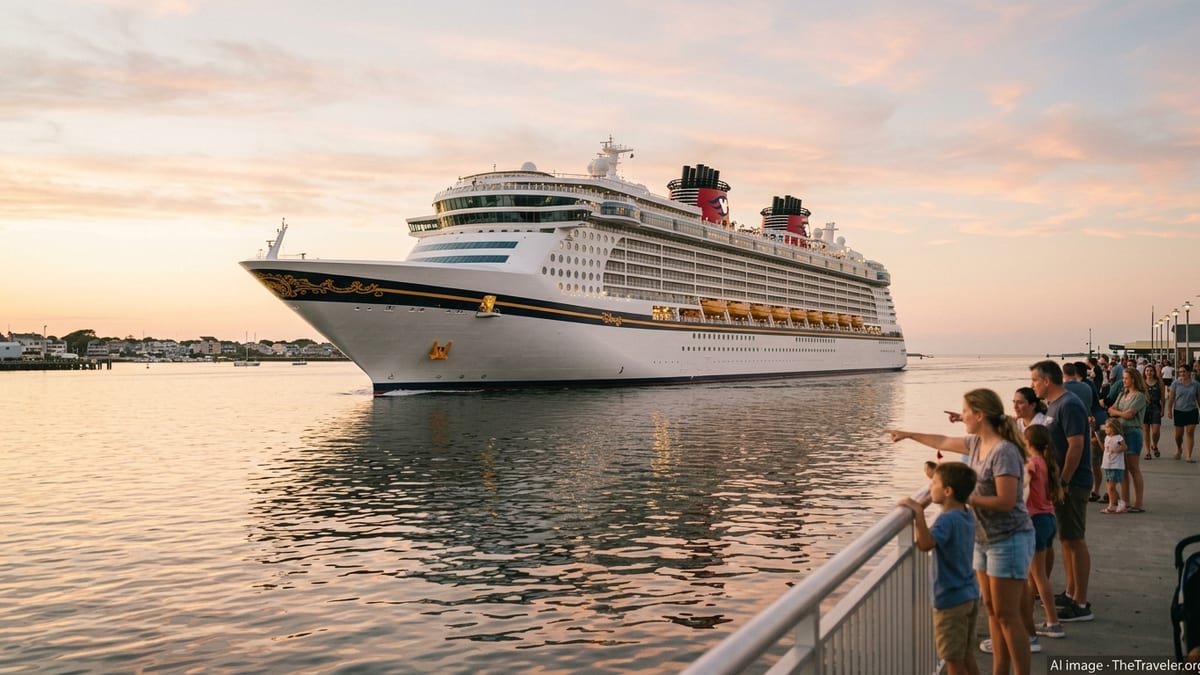
Disney Branding Meets America’s Lake Country
Tourism campaigns built around Disney’s lake themed storytelling are beginning to filter into state and regional marketing, as destinations from the Southern Plains to the Midwest promote easy going waterfront getaways rather than long haul theme park trips. Travel planners report that families are increasingly pairing Disney films, streaming series and consumer products with itineraries that favor nearby lakes, campgrounds and state parks over crowded urban hubs and expensive airfare.
Publicly available tourism data indicate that lakeside destinations have benefited from the broader post pandemic pivot toward road trips and nature based travel. Many visitors now search for trips that reproduce the feel of animated lake towns and storybook forests in real life, prioritizing quiet coves, paddle friendly shorelines and walkable trail networks. In this environment, state park systems have emerged as key beneficiaries, offering relatively affordable lodging and access to water oriented recreation that can be reached in a day’s drive for much of the population.
Marketing professionals note that the association with Disney’s family friendly storytelling helps position lakes as multi generational spaces suited to grandparents, parents and children traveling together. Travel guides and regional magazines are highlighting cabins with bunk beds, kayak rentals and campfire circles as the real world counterparts to the imaginary lakeside resorts portrayed on screen. The effect is to push lesser known reservoirs, rivers and state parks into the national conversation about summer vacations.
Industry observers point out that the “lake escape” trend aligns with a broader emphasis on emotional experiences rather than specific attractions. Instead of leading with statistics about shoreline mileage or campsite counts, campaigns are foregrounding sunrise paddles, firefly filled evenings and boardwalk style trails that echo animated panoramas. This style of promotion has made it easier for smaller parks and rural counties to compete for attention against major metro destinations.
Oklahoma Positions Its Lakes and State Parks
In Oklahoma, where reservoirs and rugged plateaus dominate large portions of the landscape, tourism materials are increasingly framed around accessible nature escapes for residents of Oklahoma City, Tulsa and nearby states. State park maps and planning documents show a network of lakeside parks offering cabins, marinas and multi use trail systems, often within a few hours’ drive of major population centers. These areas are being highlighted as alternatives for families who might once have flown to distant resorts.
Recent legislative and planning activity in Oklahoma has emphasized the economic value of tourism and the role of state parks in drawing visitors to smaller communities. Budget documents and policy proposals reference opportunities for park concessions, retail collaborations and branded merchandise that can be displayed in visitor centers and lodge gift shops. Observers note that tie ins with national brands such as Disney fit this model, allowing parks to merchandise lake and trail experiences without building large scale attractions.
At the same time, publicly available reports from regional news outlets draw attention to safety, environmental stewardship and infrastructure at heavily visited lakes. Coverage of incidents around popular reservoirs has prompted renewed discussion of staffing, lighting, signage and transportation access at recreation areas. Tourism planners describe these conversations as an important counterweight to growth oriented marketing, underscoring the need to balance visitor numbers with lake health, shoreline protection and community concerns.
Outdoor advocates in Oklahoma also point to federal lands, wildlife refuges and tribal recreation areas as part of the broader lake escape story. Scenic drives linking mountain vistas, granite outcrops and quiet lakeside picnic sites are being packaged as weekend circuits for road trippers seeking a mix of hiking, birdwatching and swimming. Many of these itineraries mirror the narrative arcs of Disney stories that move from bustling towns to enchanted backcountry settings.
Missouri Showcases Free Entry Parks and Signature Trails
Across the state line in Missouri, officials have long promoted a statewide park system where visitors are not charged entrance or day use fees. Budget materials from the Department of Natural Resources emphasize that camping and lodging reservations, rather than gate charges, support operations in dozens of parks and historic sites. This structure has positioned Missouri as an appealing option for budget conscious travelers responding to lakeside marketing.
Missouri’s state parks network includes extensive access to rivers, reservoirs and wooded hills, with published figures showing that the system manages more than 90 parks and historic sites covering roughly 160,000 acres. Signature corridors such as Katy Trail State Park and the developing Rock Island Trail State Park knit these resources together for cyclists and hikers, creating long distance routes that frequently parallel rivers and pass near lakeside campgrounds. Tourism guides are now framing these trails as linear “storylines” that let visitors experience changing scenery over several days.
Strategic plans for Missouri State Parks covering the period through 2029 highlight the need to maintain and upgrade infrastructure as visitation grows. Planning documents point to trail resurfacing, bridge repairs and campground improvements as priorities, particularly in parks that anchor regional tourism economies. The emphasis on reinvestment reflects the reality that marketing inspired by Disney like imagery can quickly increase foot traffic on specific trails, raising concerns about erosion, crowding and wildlife disturbance if facilities lag behind.
Grassroots enthusiasm for Missouri’s park system is evident in online communities where residents routinely recommend state park trails, river access points and wildlife viewing areas to out of state visitors. Posts on local forums describe loop hikes that take in river bluffs, waterfalls and lakeside overlooks, drawing comparisons to more widely known national parks. Such word of mouth complements formal campaigns and reinforces the idea of Missouri as a destination where cinematic scenery can be experienced without leaving the Midwest.
National Surge in Trails, Lakefront Cabins and Outdoor Campaigns
Beyond Oklahoma and Missouri, tourism agencies in multiple states have launched campaigns centered on outdoor recreation, often featuring lakes and trails as anchor attractions. Recent marketing efforts in places such as Michigan, Minnesota and Massachusetts highlight signature lakes, coastal overlooks and multi use paths, using video and social media to emphasize accessible adventures. Several states have released seasonal travel guides that devote substantial space to state parks, rail trails and waterfront cabins.
Public information from state tourism offices and transportation departments points to collaborative initiatives that join trail authorities, park agencies and tourism boards. Programs that spotlight top ten trail lists, statewide hiking challenges and themed itineraries are designed to keep residents exploring within their own borders while attracting out of state visitors. The growth of these efforts suggests that trails are now seen not only as recreation infrastructure but also as economic development tools for rural lake communities.
State level planning documents related to outdoor grants and trail funding frequently cite tourism as a key justification. Application guides and strategic frameworks describe lakefront greenways, connector trails and accessible fishing platforms as investments that can lengthen visitor stays and increase spending on lodging, dining and equipment rentals. In this context, the cultural pull of Disney’s lake narratives provides an additional marketing boost, offering an instantly recognizable visual language for campaigns built around sunsets, campfires and gentle shorelines.
Industry analysis indicates that travelers who respond to these campaigns often seek a mix of relaxation and light adventure, favoring destinations where they can swim, paddle or cycle during the day and return to comfortable cabins or small town inns at night. This pattern aligns closely with the amenities found in many state parks, which are expanding their lodging options to include camper cabins, yurts and renovated lodges with modern conveniences.
Balancing Storybook Appeal With Real World Limits
As Disney inspired lake escapes gain traction, destination managers face the challenge of delivering on the promise of cinematic scenery while managing real world constraints. Climate variability, shoreline erosion and aging infrastructure can affect water levels, beach quality and trail conditions, sometimes in ways that conflict with promotional images. Park agencies and local governments are increasingly relying on reservation systems, seasonal capacity limits and educational campaigns to smooth demand peaks and protect sensitive ecosystems.
Publicly available environmental and recreation studies stress the importance of designing trails and lake access points to withstand heavier use. Recommendations include hardened surfaces on popular paths, vegetated buffers along shorelines and designated swimming areas that reduce conflicts between motorized and non motorized recreation. These measures can help maintain the sense of tranquility marketed in lake escape campaigns even as visitor numbers rise.
Community voices in lake regions frequently call for tourism strategies that distribute visitors more evenly across parks and seasons. By highlighting shoulder season experiences such as fall color hikes, spring birding and winter trail events, marketers can lessen pressure on the busiest summer weekends. Some campaigns now feature quieter secondary parks and lesser known lakes, inviting travelers to explore beyond the marquee destinations that first appear in Disney adjacent imagery.
For travelers, the emerging landscape offers a wide range of options, from Oklahoma’s granite rimmed lakes and prairie reservoirs to Missouri’s forested river valleys and rail trails. The blending of Disney’s lake storytelling with on the ground investments in state parks, cabins and scenic trails is reshaping how families think about vacation, shifting the focus from distant fantasy resorts to the accessible shorelines and paths that ring lakes across the country.