


More news on this day
A truck driver remains unaccounted for after a pre-dawn collision between a semi-truck and a freight train in southwest Atlanta sparked a large fire, disrupted commuter rail service and left investigators working to determine how the vehicle ended up on the tracks.
Get the latest news straight to your inbox!
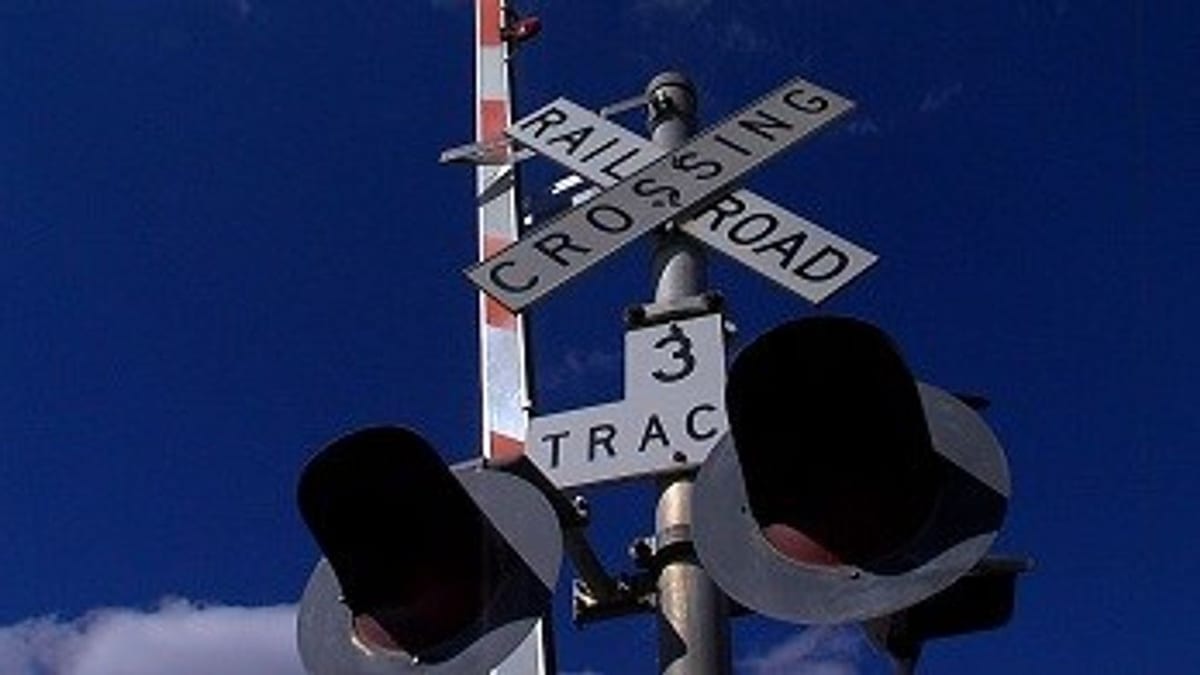
Pre-dawn collision ignites fire and halts transit
According to published coverage from multiple Atlanta outlets, the crash occurred around 3:45 a.m. on Friday, June 26, near the intersection of Lee Street and Sparks Street in the city’s southwest side. Reports indicate a CSX freight train struck a semi-truck positioned on or near the Norfolk Southern rail line that runs under elevated Metropolitan Atlanta Rapid Transit Authority (MARTA) tracks.
The impact ignited the truck’s cab and front portion of the trailer, sending flames and thick smoke into the air. Video and images shared by local broadcasters show the burned-out remains of the tractor-trailer wedged close to the rail line, with fire crews surrounding the wreckage.
The incident prompted a temporary shutdown of MARTA rail service between the West End and Oakland City stations, as transit officials arranged bus bridges to move early-morning commuters around the crash scene. Service was later restored after inspections of the elevated guideway above the wreck.
Freight operations in the corridor were also affected during the initial response. Publicly available information from CSX and local news coverage describe crews working through the morning to clear the tracks and assess potential damage to rail infrastructure.
Driver still unaccounted for as investigation continues
In the hours after the collision, reports from regional trucking and local news outlets indicated that emergency responders were unable to locate the truck’s driver. Despite extinguishing the fire and searching the immediate wreckage, officials had not publicly confirmed the driver’s status by late Friday.
Coverage from The Trucker and Atlanta television stations notes that investigators were still working to determine whether the driver managed to escape before the fire intensified, or whether the person may have been caught in the impact. As of the latest available reports, there had been no public announcement of a confirmed fatality connected to the incident.
Publicly available information also does not yet clarify what cargo, if any, the semi-truck was hauling at the time. There have been no widespread reports of hazardous materials releases, and local coverage describes the fire as largely confined to the truck and immediate rail corridor.
The absence of clear information about the driver’s whereabouts has added an unsettling dimension for the trucking community and nearby residents, who awoke to images of the burned-out rig and halted trains at one of Atlanta’s busy commuter chokepoints.
Second train-truck crash in Atlanta area in two days
Regional reporting highlights that the southwest Atlanta crash was the second serious collision involving a train and a semi-truck in the metro area within roughly 48 hours. Earlier in the week, another incident between a freight train and a tractor-trailer was documented in separate coverage, reinforcing concerns about rail-crossing safety around the city.
The corridor where Friday’s crash occurred includes several at-grade crossings and complex traffic patterns, with surface streets passing over or alongside active freight and commuter lines. Local reports describe the area near Sylvan Road, Lee Street and Sparks Street as a heavily traveled industrial and commuter zone south of downtown, where large trucks, passenger vehicles and trains frequently intersect.
National crash statistics from federal transportation agencies show that collisions between large trucks and trains remain a small but persistent subset of roadway incidents each year. These events can be particularly destructive when they occur at higher speeds or involve long freight consists passing through urban neighborhoods, as appeared to be the case in southwest Atlanta.
Safety advocates often point to such clusters of incidents as opportunities to reexamine crossing protections, signal visibility and driver awareness campaigns, particularly in busy freight corridors that sit beneath or alongside urban transit lines.
Impact on commuters and surrounding neighborhoods
The location of the crash directly beneath elevated MARTA tracks amplified its impact on Atlanta commuters. Early-morning rail riders between West End and Oakland City were forced onto replacement buses while inspectors evaluated whether heat or debris had affected the structure supporting the transit line.
Coverage from multiple outlets indicates that service interruptions lasted through the early rush hour before rail operations gradually resumed. The disruption underscored how closely intertwined freight corridors and public transportation routes are in this part of the city, with an incident on one system rapidly rippling across the other.
Residents in the nearby neighborhoods of southwest Atlanta also reported significant emergency activity, including sirens, smoke and flashing lights as fire crews, police and railroad personnel converged on the scene. Some local coverage notes that this area has seen previous serious crashes, adding to longstanding concerns about traffic speed, sight lines and pedestrian safety at and around nearby crossings.
While no widespread injuries among rail passengers or bystanders were reported in the immediate aftermath, the collision provided a stark reminder of the risks posed when heavy freight, large trucks and dense urban environments intersect in close quarters.
Ongoing questions around cause and safety measures
As of Saturday, June 27, publicly available information had not yet detailed the sequence of events that left the semi-truck on or near the tracks ahead of the oncoming freight train. Investigators typically examine signal records, crossing equipment, driver actions, vehicle condition and rail operations to piece together how such crashes unfold.
Railroad and trucking safety data show that pre-dawn hours can be a higher-risk window for heavy-vehicle drivers, with reduced visibility, potential fatigue and lower traffic volumes sometimes encouraging higher speeds. The timing of the southwest Atlanta crash, shortly before 4 a.m., fits within that pattern, though no official causal factors have been publicly identified in this case.
In Atlanta and across the United States, transportation planners have increasingly focused on grade-crossing improvements, including better lighting, clearer signage, upgraded gates and, where feasible, separation of rail and road traffic. The imagery from Friday’s collision, with a burned semi-truck pinned near a freight consist beneath an urban transit line, is likely to reinforce calls for renewed attention to these projects.
For now, the southwest Atlanta crash remains under active review, with the missing truck driver and unanswered questions about how the vehicle ended up in the train’s path at the center of a developing story watched closely by the region’s freight, transit and commuting communities.