


More news on this day
Thick wildfire haze from parts of Indonesia is drifting across borders into Malaysia and other Southeast Asian countries, disrupting travel networks and darkening peak holiday corridors just as the region heads into the most intense months of the dry season.
Get the latest news straight to your inbox!
Flights and Ferries Adjust as Visibility Drops
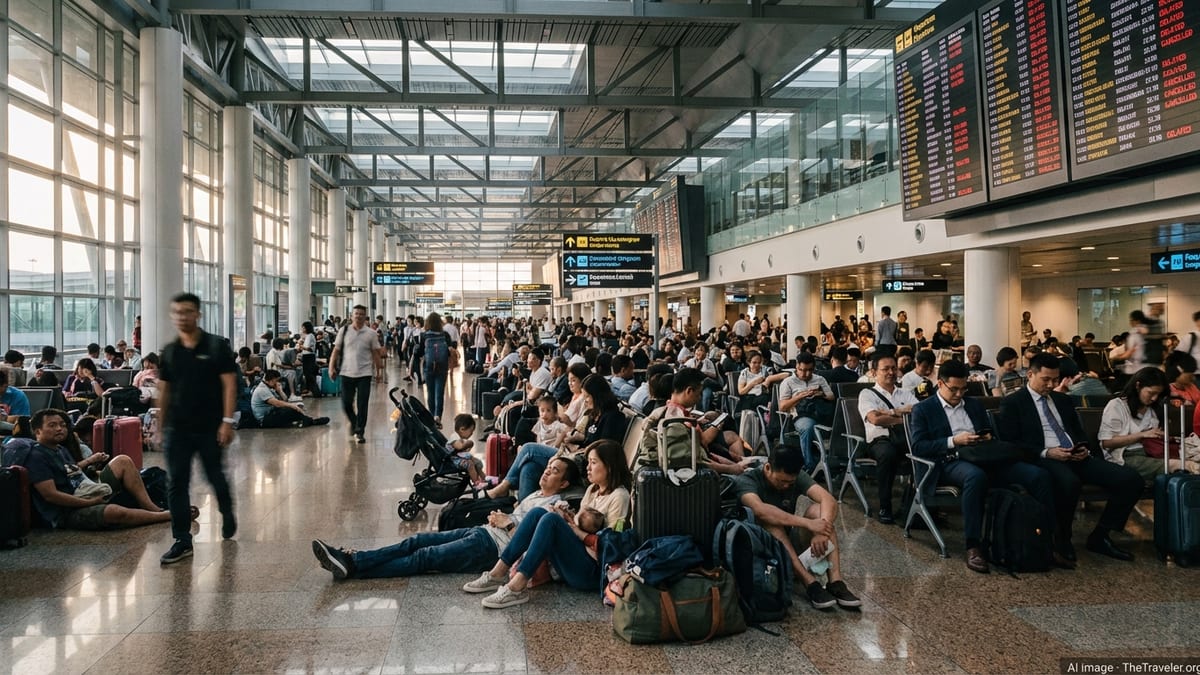
Airlines serving Indonesian Borneo, Sumatra and parts of eastern Malaysia are adjusting schedules, consolidating services and warning of potential last minute changes as haze reduces visibility around key regional gateways. Aviation advisories indicate that smaller airports close to active fire zones are especially vulnerable to weather-related disruption, with low cloud ceilings and smoke combining to limit take offs and landings.
Publicly available data from flight tracking platforms shows a pattern of delays and sporadic cancellations on routes linking secondary Indonesian cities to hubs in Kuala Lumpur, Penang and Singapore. While most major international airports remain open, carriers are building additional buffer time into operations in anticipation of quickly changing conditions.
Ferry and fast-boat operators in the Singapore–Batam corridors and across the Malacca Strait are also monitoring visibility. Port circulars and operator notices point to occasional speed reductions and minor timetable shifts on hazy days, particularly on early morning and late evening departures when smoke and sea fog can combine.
Travel industry analysts note that even modest schedule changes can have a cascading effect during Southeast Asia’s mid year holiday season, when aircraft and vessels operate close to capacity and connection windows are tight.
Air Quality Deteriorates From Sumatra to Borneo
Environmental monitoring across the region shows air quality deteriorating in several population centers as fires intensify on both peatlands and forested hillsides. Indonesian provinces on Sumatra and Kalimantan have reported clusters of hotspots during a period of prolonged dry weather, with smoke plumes spreading outward under prevailing winds.
In Malaysia, public air quality indices indicate that a rising number of communities in Sarawak on Borneo have reached levels classified as unhealthy. Media coverage from regional outlets describes hazy skies, reduced visibility on highways and growing concern over prolonged exposure to fine particulate pollution, especially for vulnerable groups.
Reports from the ASEAN Specialised Meteorological Centre and national weather agencies highlight August and September as the most critical months for haze formation in the southern part of the region this year. Forecasts suggest below normal rainfall in several fire prone landscapes, raising the risk that smoke episodes will become more frequent and more intense during the weeks ahead.
For travelers, deteriorating air quality is prompting renewed interest in face masks, travel insurance policies that cover environmental disruption and flexible booking options. Hotels and tour operators in some affected areas are beginning to receive cancellation queries from visitors with respiratory concerns.
Indonesia and Neighbors Activate Haze Response Plans
Governments across Southeast Asia are reactivating seasonal response plans as satellite imagery shows a build up of hotspots across parts of the Indonesian archipelago and mainland Southeast Asia. In Indonesia, firefighting teams, water bombing aircraft and community patrols have been deployed to priority areas where peat and forest fires tend to spread quickly during dry spells.
According to publicly available information from recent regional meetings, environment and disaster management agencies from Indonesia, Malaysia, Singapore, Thailand, Brunei and Timor Leste have been coordinating under the framework of the ASEAN Agreement on Transboundary Haze Pollution. Discussions have focused on hotspot monitoring, early warning systems and joint efforts to deter land clearing practices that can spark uncontrolled fires.
Malaysia’s national meteorological and environment departments have signaled stepped up use of fire danger rating tools and closer coordination with state level authorities, particularly in Sarawak and Sabah, where smoke from nearby Indonesian provinces can combine with local burning. Officials in Singapore and southern Thailand are similarly aligning contingency plans for potential haze incursions as the dry season progresses.
While these frameworks have been in place for years, climate related factors such as El Niño conditions and warming trends are adding pressure. Research cited by regional think tanks and international organizations indicates that higher temperatures and prolonged droughts can extend fire seasons and accelerate the spread of smoke across borders.
Tourism Hotspots Weigh Impact on Visitor Numbers
Coastal resorts and urban tourism hubs from Bali and Lombok to Langkawi and Penang are tracking haze developments closely as they weigh potential impacts on arrivals. Travel sector briefings suggest that short, isolated haze events tend to have limited effect on bookings, but prolonged episodes can deter last minute travelers seeking clear skies and outdoor activities.
In Indonesia, destinations on Java and Bali remain largely unaffected by the most recent smoke plumes, which are concentrated nearer to Sumatra and Borneo. However, tour operators are fielding questions from international visitors who remember severe regional haze years and want clarity on current conditions before committing to trips that include multiple stops.
Malaysia’s beach and nature destinations in Borneo face a more immediate risk of weather related disruption if visibility worsens. River cruises, wildlife excursions and scenic flights in areas close to smoke affected forests are particularly sensitive to changes in air quality and cloud cover, and operators are preparing alternative itineraries when conditions are poor.
Across the region, city tourism boards are emphasizing indoor cultural attractions, shopping and gastronomy to keep visitor spending resilient during hazy days. Industry observers note that cities with strong air conditioned infrastructure and diversified attractions tend to experience smaller downturns than destinations that rely heavily on open air sightseeing.
What Travelers Need to Know Right Now
With the dry season intensifying, travel specialists recommend that visitors to Indonesia, Malaysia, Singapore and nearby countries monitor air quality readings and local advisories regularly in the weeks ahead. Conditions can change quickly, especially when winds shift and new fire clusters emerge.
Booking flexible airfares and accommodation that allow date changes without heavy penalties can offer a degree of protection if haze related disruption escalates. Travelers with tight connection times on regional routes may wish to build in extra cushion, particularly when transiting smaller Indonesian or Malaysian airports closer to current fire zones.
Health considerations are also important for children, older adults and people with existing heart or lung conditions. Public health guidance in the region typically encourages limiting strenuous outdoor activity on days with high particulate readings, using well fitted masks when necessary and ensuring ready access to any prescribed medications.
For now, most of Southeast Asia’s key tourism and business corridors remain open and functioning, but the spreading haze serves as a reminder that environmental conditions can rapidly reshape travel plans. Those planning trips through late August and September are advised to remain attentive to forecasts and prepared to adapt itineraries as the wildfire season unfolds.