


More news on this day
A magnitude 5.2 earthquake off the Island of Hawaii has rattled communities across the archipelago and coincided with an elevated U.S. travel alert for the state, drawing renewed attention to seismic risk on the Big Island and what it means for residents and visitors during the busy late-summer travel period.
Get the latest news straight to your inbox!
Offshore Epicenter Near Kamaʻehuakanaloa Seamount
Preliminary data from regional seismic networks indicate that the magnitude 5.2 event struck in the waters southeast of Hawaii Island, in the area of the undersea volcano Kamaʻehuakanaloa, also known historically as Lōʻihi Seamount. Early readings placed the epicenter tens of miles offshore and several miles below the ocean floor, a location consistent with recent clusters of moderate tremors in the same sector of the Hawaiian volcanic chain.
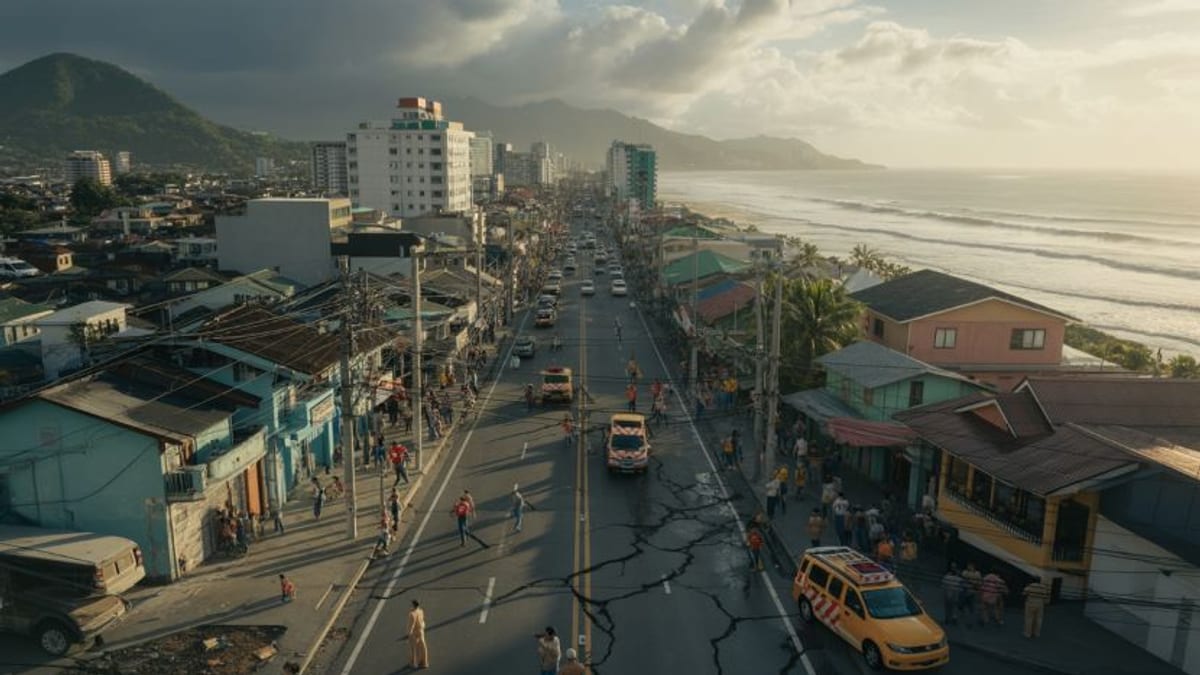
Reports from residents on Hawaii Island describe light to moderate shaking, particularly in Hilo and communities along the southern and eastern coasts. People in multi-story buildings reported a noticeable swaying motion, while many at ground level either did not feel the event or experienced only a brief jolt. There were no immediate indications of widespread structural damage, major landslides, or power interruptions in populated areas.
Public seismic feeds suggest the 5.2 quake is part of a broader sequence of small to moderate earthquakes that has been unfolding offshore in recent days. Similar unrest near Kamaʻehuakanaloa has been documented in the past and is often interpreted as a reflection of magma movement at depth rather than a signal of imminent large-scale volcanic eruption. At this stage, publicly available information does not point to a tsunami threat or significant deformation of the Big Island’s main volcanoes.
US Travel Alert Raised Amid Ongoing Seismic Activity
In the hours following the quake, the United States updated its travel advice language for Hawaii to reflect the heightened seismic activity around the Big Island. The alert level does not prohibit travel but emphasizes the need for visitors to remain aware of local emergency guidance, monitor updates from state agencies, and be prepared for aftershocks or additional moderate events.
Travel notices of this type typically highlight practical steps for tourists, such as familiarizing themselves with hotel evacuation routes, knowing how to respond if shaking begins, and checking whether their airline or tour operator has flexible change policies during periods of geologic unrest. The revised messaging also encourages travelers to factor potential short-term disruptions, such as road inspections or temporary closures of specific coastal or park areas, into their itineraries.
Hawaii’s tourism sector has learned to operate alongside natural hazards that range from volcanic eruptions to hurricanes and high surf. In previous episodes of increased seismicity and eruptions on Hawaii Island, flights, lodging, and tours have generally continued with targeted adjustments rather than widespread shutdowns. Early indications suggest that the current alert functions more as a cautionary advisory than a call to cancel established plans.
Impact on Flights, Cruises, and Island Tourism Plans
Airports on the Big Island and across the state remained open after the earthquake, and commercial flight operations continued with limited disruption. Airlines routinely review runway and terminal conditions after notable seismic events, and any temporary pauses for inspections are usually brief. Travelers with upcoming flights to Kona or Hilo are being advised to watch for schedule updates and to allow extra time at the airport in case of crowding at check-in or security during peak travel hours.
Cruise itineraries that include calls at Hilo or Kona are also being reassessed in light of the offshore epicenter. In many past cases where moderate quakes occurred without port damage or tsunami risk, vessels have kept their Hawaii calls, sometimes with minor timing changes to accommodate harbor checks or local advisories. Passengers planning shore excursions on the Big Island may see operators adjust routes away from steep coastal cliffs or recently affected roads as a precaution.
On land, most visitor activities, from snorkel tours along the Kona Coast to stargazing excursions near Maunakea, are expected to proceed while operators track state and county guidance. Travelers with rental cars on the Big Island are encouraged to stay tuned to local radio, hotel briefings, or official social media channels for notice of any landslide-prone zones or short-term road closures following aftershocks or heavy rain.
Understanding Hawaii’s Seismic Landscape
The latest 5.2 event underscores Hawaii’s long-standing reputation as one of the most seismically active regions in the United States. Thousands of small earthquakes occur each year across the state, with the vast majority too weak to be felt. Larger events in recent decades have typically been linked either to movement of magma beneath volcanoes or to stresses from the immense weight of the islands on the underlying crust.
Hazard assessments published by state and federal agencies classify parts of Hawaii Island, particularly its southern flanks and offshore volcanic structures, as zones of elevated earthquake risk. Historical records show that moderate events around magnitude 5 are not unusual in this context, although damaging earthquakes above magnitude 6 remain comparatively rare. Planning documents emphasize building codes, retrofitting of critical infrastructure, and public education as key tools in reducing risk.
For visitors, the practical implication is that feeling an occasional small quake is a possibility when traveling on the Big Island, especially during periods of heightened activity like the current offshore sequence. Travel safety guidance generally stresses that people indoors should drop, cover, and hold on if shaking begins, while those near the coast should be alert to tsunami information if a very strong or prolonged quake occurs.
What Travelers Should Watch in the Coming Days
In the near term, seismologists will continue to monitor the offshore cluster near Kamaʻehuakanaloa to see whether the 5.2 event marks the peak of this sequence or a prelude to further moderate shocks. Aftershocks are possible and could be felt across parts of Hawaii Island, although they are usually smaller and less widely noticed than the main event.
Travelers with plans to visit the Big Island over the next several days may want to review their accommodation cancellation policies, check travel insurance coverage for natural hazards, and confirm contact details for their airline, cruise line, or tour providers. Hotels and vacation rentals on Hawaii Island regularly maintain emergency procedures for earthquakes and related hazards and often share this information at check-in or in-room materials.
Despite the raised travel alert, the overall tone of current public information suggests that Hawaii remains accessible and largely open for tourism, with an emphasis on awareness rather than alarm. Visitors who stay informed, follow local guidance, and prepare for the possibility of brief, moderate shaking are likely to find that the islands continue to offer their usual mix of beaches, volcanic landscapes, and cultural experiences, even as nature provides another reminder of the dynamic forces that built them.