


More news on this day
Travelers heading to South America this August are contending with a continent sharply divided by temperature, as Colombia braces for record-breaking heat while Patagonia sinks deeper into midwinter cold and snow.
Get the latest news straight to your inbox!
Heat Builds Across Colombia’s Tourist Corridor
Forecasts for August indicate that Colombia’s main visitor hubs, from Cartagena and Santa Marta on the Caribbean coast to Medellín and Bogotá in the interior, are on track for unusually high temperatures this season. Regional climate outlooks for June to August 2026 point to a strong likelihood of above-normal temperatures across tropical South America, with northern countries such as Colombia among the areas expected to feel the sharpest anomalies. Publicly available climate updates link this pattern both to a warming background climate and to evolving Pacific conditions that can suppress cloud cover and rainfall.
In practical terms, the heat risk is expected to be most intense in low-lying coastal and riverine destinations that already experience sultry conditions in a typical year. Cities such as Cartagena, Barranquilla and Santa Marta are widely used as jumping-off points for Caribbean island excursions and national parks, and travel advisories are already emphasizing UV exposure, afternoon heat stress and the possibility of uncomfortable night-time temperatures that may not drop far enough to provide relief.
Further inland, popular urban destinations at mid-elevation, including Medellín and Cali, are projected to see temperatures running above their historical seasonal averages. While these cities generally promote a mild “eternal spring” climate, analysts note that even slight shifts upward can translate into more frequent hot days, increased urban heat island effects and added pressure on power and water systems just as visitor numbers remain strong for festivals and conferences.
Even Bogotá, perched high on the Andean plateau and traditionally perceived by travelers as cool if not chilly, is part of this broader warming signal. Seasonal outlooks suggest that daytime highs may trend toward the upper end of the usual range, with reduced cloud cover at times. For visitors planning city touring and nearby hikes, local agencies are recommending early starts, sun protection and careful attention to hydration on days when temperatures spike.
Patagonia Locks into Deep Winter
On the opposite end of the thermometer, Patagonia at the southern cone of South America is entering one of its coldest periods just as northern destinations heat up. August is midwinter for southern Chile and Argentina, and recent seasons have already delivered significant cold waves and persistent snowpack to Patagonian provinces. Regional climate reports describing strong cold outbreaks in recent years, with subzero temperatures stretching across Argentine Patagonia and into southern Chile, are shaping expectations for the current winter.
Key gateways such as Bariloche, El Calafate, Ushuaia, Puerto Natales and Punta Arenas are now firmly in snow and ice season, with mountain passes, high trails and rural roads subject to intermittent closures. Travel advisories for these areas typically highlight the potential for strong winds, drifting snow and icy surfaces, all of which can complicate overland links between towns and major national parks including Torres del Paine and Los Glaciares.
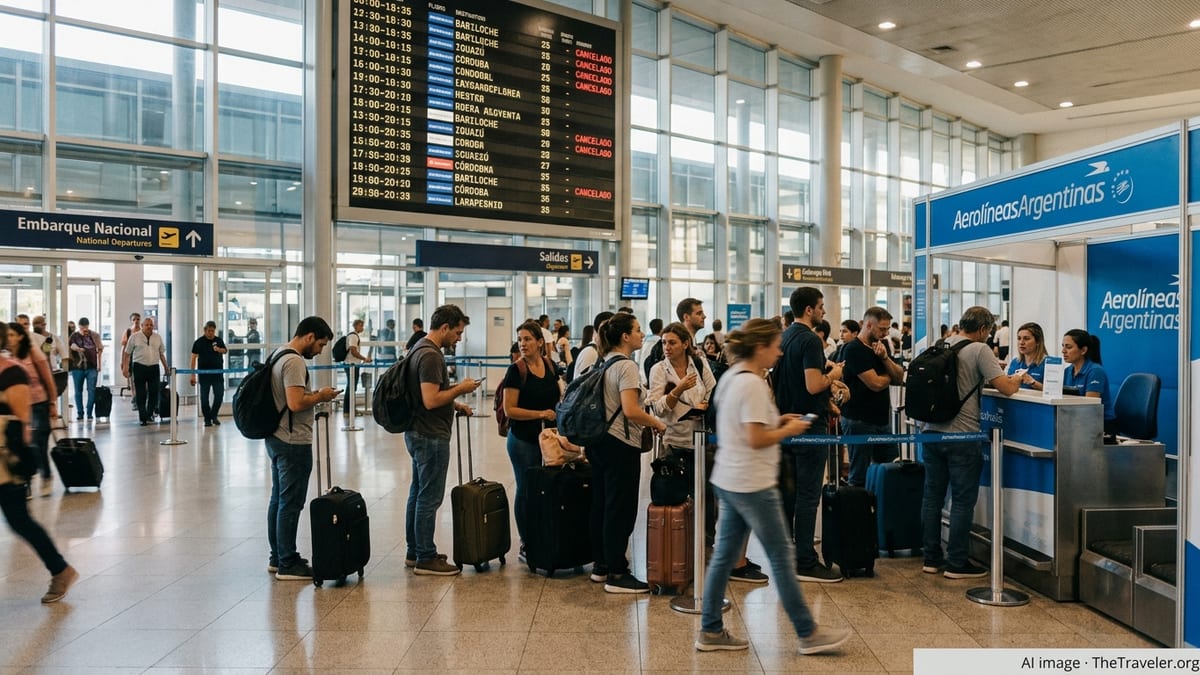
For air travelers, winter in Patagonia often translates into heightened operational sensitivity. Low clouds, strong crosswinds and snow events can cause delays or schedule changes at smaller regional airports. Airline and airport bulletins for recent winters in southern Chile and Argentina have shown how quickly conditions can deteriorate when polar air masses push northward, a pattern forecasters consider likely to recur at times this August.
Despite the challenges, the cold season is also central to Patagonia’s appeal for certain segments of the market. Winter scenery, ski resorts near Bariloche and volcano slopes in Chile, and the promise of fewer crowds in headline parks are drawing a niche but dedicated stream of visitors prepared for harsher conditions. Tour operators are responding by emphasizing flexible itineraries, robust clothing requirements and contingency days in case weather forces route changes.
Climate Signals Behind the North–South Divide
The emerging August contrast between a hot Colombia and a frozen Patagonia reflects broader climate patterns playing out across the Americas. A recent regional climate update from public health and meteorological agencies highlights enhanced probabilities of above-normal temperatures across most of the Americas for the June to August season, with especially strong signals in tropical and subtropical zones north of roughly 30 degrees south. Much of Colombia and northern South America fall within that band.
At the same time, southern South America is experiencing its own climate stresses. Previous assessments from global climate monitoring bodies have documented both exceptional cold events and shifting precipitation patterns across Patagonia in recent years, including deep winter cold snaps and variable snowfall that affect water resources, ecosystems and local communities. In Argentina’s Patagonian provinces and southern Chile, these shifts can manifest as heavy snowfall, icy winds and cold rain episodes that make winter feel longer and more volatile for residents and visitors alike.
Layered on top of these regional dynamics is the broader trend of rising global temperatures, which has been associated with more frequent and intense heat events on multiple continents. For Colombia and its neighbors, this can mean a higher baseline for daily temperatures, so that even a modest heatwave pushes conditions into territory that strains infrastructure and public health systems. For Patagonia, climate research points to complex effects, with shorter snow seasons at some elevations but also the potential for intense cold outbreaks when polar air masses spill north.
Travel planners monitoring these signals note that South America’s August weather is becoming less predictable in detail even as the large-scale patterns grow clearer. The likelihood of heat stress in the north and midwinter hazards in the far south is high, but the timing and severity of individual events can still change rapidly, requiring close attention to short-range forecasts.
Impacts on Flights, Tours and Outdoor Activities
For airlines and tour companies, the split-screen climate picture is already shaping August operations. In Colombia and neighboring tropical countries, heat can contribute to afternoon thunderstorms, localized flooding and reduced aircraft performance on the hottest days, particularly at lower-elevation airports that handle a heavy mix of domestic and regional flights. Operators are increasingly steering travelers toward morning departures where possible, when temperatures and storm risks are typically lower.
In Patagonia, the challenges are more directly tied to winter storms. Road reports from recent seasons in southern Chile and Argentina point to episodes of black ice, snowdrifts and temporary closures on key overland routes to national parks and trailheads. Bus companies and self-drive travelers face the prospect of chains, rerouting or full-day pauses during strong systems, with ripple effects on lodging reservations and activity schedules.
Outdoor activities across the continent must adapt in parallel. In Colombia and other heat-affected regions, guides and operators are shifting popular hikes, city walks and wildlife tours to earlier or later in the day, or shortening routes during periods of extreme heat. In Patagonia, outfitters emphasize layered clothing, protection from wind chill and conservative decision-making on exposed ridges and glacier viewpoints when gusts and visibility deteriorate.
Travel insurers are also paying close attention to the pattern. Policies that cover weather-related interruption and delay are gaining prominence in trip-planning advice, especially for itineraries that combine a hot, storm-prone Caribbean or Andean segment with a wintertime Patagonian extension during the same August window.
How Travelers Are Adjusting August Plans
The evolving forecasts are prompting many August visitors to revisit their itineraries across South America. Some long-haul travelers are choosing to concentrate on Colombia, the Caribbean coast and highland cities, accepting the heat while prioritizing urban culture, culinary experiences and shorter outdoor excursions. Others are leaning into the cold, designing itineraries centered on Patagonian winter landscapes, skiing and quieter national parks.
Multi-country trips that once combined tropical beaches with classic Patagonia trekking in the same month now require more careful sequencing. Travel planners recommend building in buffer days around long internal connections, especially flights that link Colombia or northern South America with southern Chile or Argentina, to accommodate potential weather disruptions at either end of the route.
For those still on the fence, the split climate picture underscores the importance of clear priorities. Travelers seeking stable beach weather and lively nightlife may favor Colombia and its neighbors, with realistic expectations about heat and humidity. Those craving snow, dramatic winter light and fewer crowds may continue south, investing in cold-weather gear and flexible planning to match Patagonia’s volatile midwinter conditions.
What is clear is that August 2026 is unlikely to deliver a uniform South American experience. Instead, visitors face a continent stratified by temperature, where record heat in Colombia and deep winter in Patagonia coexist and increasingly shape how, when and where journeys are planned.