


More news on this day
Tui Airways has been named among the worst performers for UK flight delays in newly compiled data, intensifying scrutiny of the holiday carrier just as peak summer travel from Britain gathers pace.
Get the latest news straight to your inbox!
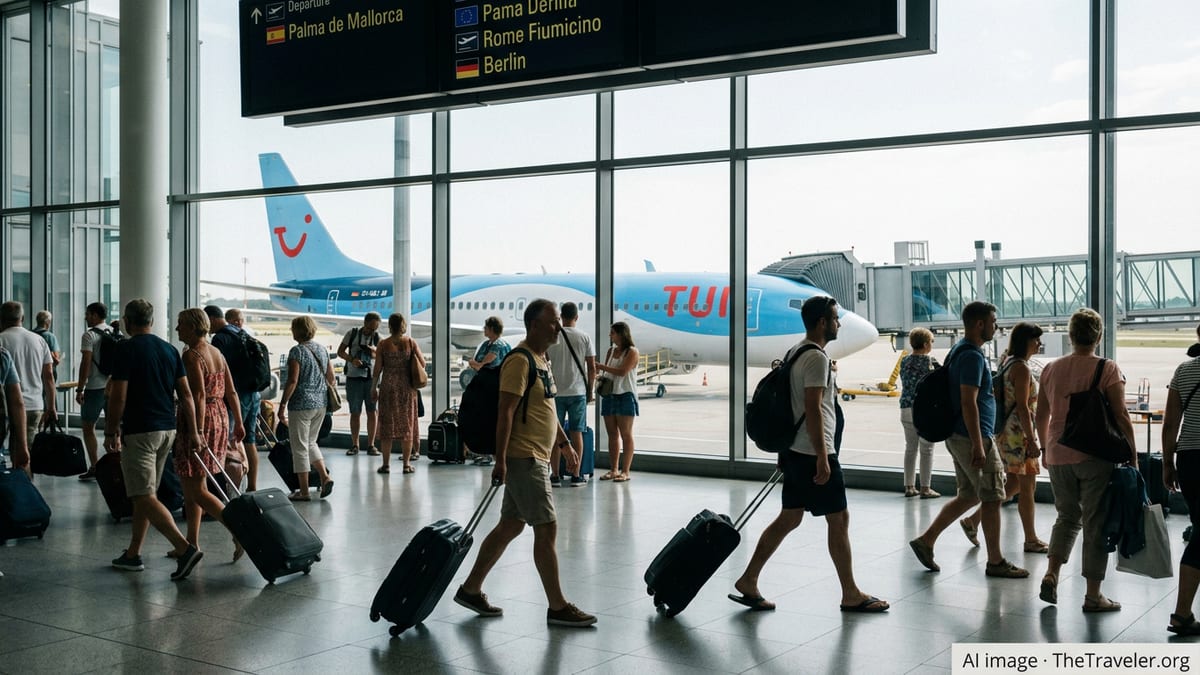
New delay rankings put leisure carrier under spotlight
Fresh analysis of Civil Aviation Authority flight punctuality figures for 2025 indicates that Tui Airways ranks among the poorest airlines for on-time departures from UK airports. Reports based on the data show that Tui’s UK departures were, on average, more than 20 minutes late, placing the airline in the lower tier of 34 carriers assessed for punctuality.
The figures, compiled from thousands of scheduled and chartered services, highlight that Tui sat close to the bottom of the table, though not the very worst. Long-haul operators such as Air India recorded even greater average delays, but Tui’s performance stands out because of the high volume of leisure passengers using its flights to reach Mediterranean beach resorts and other holiday hotspots.
One route frequently cited in recent coverage is the Birmingham to Zante service, which recorded an average delay in the mid-forty-minute range across at least 100 flights. That made it one of the least punctual UK routes in 2025 and a flashpoint for criticism from travellers who experienced extended waits at the gate and late-night arrivals.
The analysis focuses on flights that actually departed, excluding cancellations, meaning the delay statistics reflect late operations rather than scrubbed services. For passengers, the distinction can feel academic when they are left sitting in the departure lounge long after scheduled take-off time.
How Tui compares with rival airlines
While Tui’s performance has attracted attention, it is not alone in facing punctuality problems. Low-cost rival Wizz Air has repeatedly been identified in previous annual rankings as the worst airline for UK-departing delays, with average lateness running into dozens of minutes per flight. Other carriers serving British holidaymakers, including Jet2 and Ryanair, also feature prominently in league tables of specific delayed routes and schedules.
Industry-wide data published in recent weeks indicates that 2025 was one of the worst years for flight punctuality globally since the mid-2010s, with a noticeable rise in long delays and tarmac waits. Consumer groups monitoring international performance have reported an uptick in flights arriving an hour or more behind schedule, suggesting that Tui’s difficulties are part of a broader pattern of congestion and operational strain.
Nevertheless, Tui’s placing among the worst UK airlines for delays is significant given its scale. The carrier is one of Britain’s largest by passenger numbers and plays a central role in the package holiday market. High average delays across such a large operation translate into large numbers of travellers starting or ending their trips later than planned.
Analysts note that leisure-focused airlines often run tight aircraft rotations, particularly during school holidays, with individual jets operating several back-to-back flights per day. Any disruption early in the schedule can quickly cascade through the network, which may help explain the persistent delays seen on some Tui routes.
Impact on UK holidaymakers and popular routes
The new delay rankings arrive just as British travellers gear up for the core summer season, when Tui’s programme of flights to Spain, Greece, Turkey and other sun destinations operates at full capacity. For many passengers, a late departure can mean missing onward transfers, losing the first evening of a holiday or facing additional childcare and accommodation costs.
Particular concern has focused on services from busy regional hubs such as Birmingham and Manchester, which themselves have been named among the UK’s worst airports for average departure delays in separate analyses. When a high-delay airline operates from a high-delay airport, the risk of disruption escalates, leaving travellers exposed to lengthy waits both on the ground and in the air.
Reports of late-night arrivals on Mediterranean routes have become common during school breaks, with families reaching resorts in the early hours instead of the evening. Social media posts and consumer reviews frequently mention Tui delays of 30 minutes to several hours, although experiences vary widely by route and travel date.
Travel advisers suggest that passengers with tight onward plans, such as same-day cruise departures or rail connections, build in additional buffer time when using carriers that have below-average punctuality scores. They also recommend monitoring flight status closely on the day of departure, as last-minute schedule changes and rolling delays remain a feature of the post-pandemic travel landscape.
Passenger rights and compensation landscape
The renewed spotlight on Tui’s punctuality has revived questions about what compensation is available when flights are significantly delayed. Under retained UK versions of European passenger rights rules, travellers may be entitled to payments of up to several hundred pounds per person if their flight arrives at its destination three hours or more late and the cause of the delay is considered within the airline’s control.
Data referenced in recent coverage suggests that UK travellers have claimed billions of pounds in compensation over the past two years across all airlines, reflecting both the scale of disruption and growing awareness of legal protections. However, the threshold for payouts can be complex, and airlines often argue that certain delays stem from “extraordinary circumstances,” such as air traffic control restrictions or severe weather, which limit their liability.
Consumer advocates advise passengers affected by long Tui delays to retain boarding passes, booking confirmations and any written communication about the cause of disruption before submitting a claim. If a request is rejected, travellers can escalate the case through alternative dispute resolution bodies or, in some circumstances, the small claims process.
Separate from cash compensation, airlines operating from UK airports are generally expected to provide care and assistance during long delays, including food vouchers, refreshments and, when necessary, overnight accommodation. Passengers are encouraged to keep receipts for any essential expenses incurred when official support is not immediately available at the airport.
Industry pressures and Tui’s response context
Experts point to a mix of structural and short-term factors behind the poor punctuality scores seen across UK airlines. Persistent staff shortages in ground handling, air traffic control capacity constraints, aircraft maintenance backlogs and strong post-pandemic demand have all contributed to crowded skies and pressure on tight flight schedules.
In Tui’s case, publicly available statements from previous seasons have highlighted the company’s preference for operating flights where possible rather than cancelling, even if that means running late, in order to get customers to their destinations. That operational choice can inflate average delay statistics while reducing the number of outright cancellations, creating a different pattern of disruption compared with some competitors.
Looking ahead to the remainder of 2026, analysts expect continued strain on punctuality unless additional aircraft, crew and infrastructure capacity come online. New routes launching from UK bases and slot reallocations among carriers may further reshape timetables at already busy airports.
For now, the latest rankings mark another warning sign for British holidaymakers that punctual departures cannot be taken for granted. With Tui among the airlines under pressure to improve, travellers are being urged to plan defensively, understand their rights and prepare for the possibility that their next flight might leave the gate later than the time printed on the boarding pass.