


More news on this day
Australia has eased some of its strictest Middle East travel advisories, downgrading warnings for several popular Gulf and regional hubs while keeping hard limits on higher-risk conflict zones.
Get the latest news straight to your inbox!
Key Middle East Destinations Move From Level 4 to Level 3
Publicly available information from the Australian Government shows that, as of 17 June 2026, travel advice for Bahrain, Israel, Kuwait, Qatar and the United Arab Emirates has been lowered from Level 4 “Do not travel” to Level 3 “Reconsider your need to travel”. This marks a significant shift after months in which many of these countries, including major transit hubs, were subject to the highest warning level.
Level 3 remains a restrictive setting. Current guidance indicates that Australians are still urged to postpone non-essential trips, and to proceed only where there is a clear and compelling reason to travel. The updated advice stresses that security conditions across the region could deteriorate quickly and with little warning, even in locations where the overall level has been reduced.
The recalibration follows a broader easing in regional tensions, including recent diplomatic steps between key powers aimed at de-escalation. However, DFAT’s crisis information continues to underline that the environment across much of the Middle East remains volatile, and that travellers should monitor developments closely before and during any journey.
Iconic Gulf Transit Hubs Regain Ground, But With Caveats
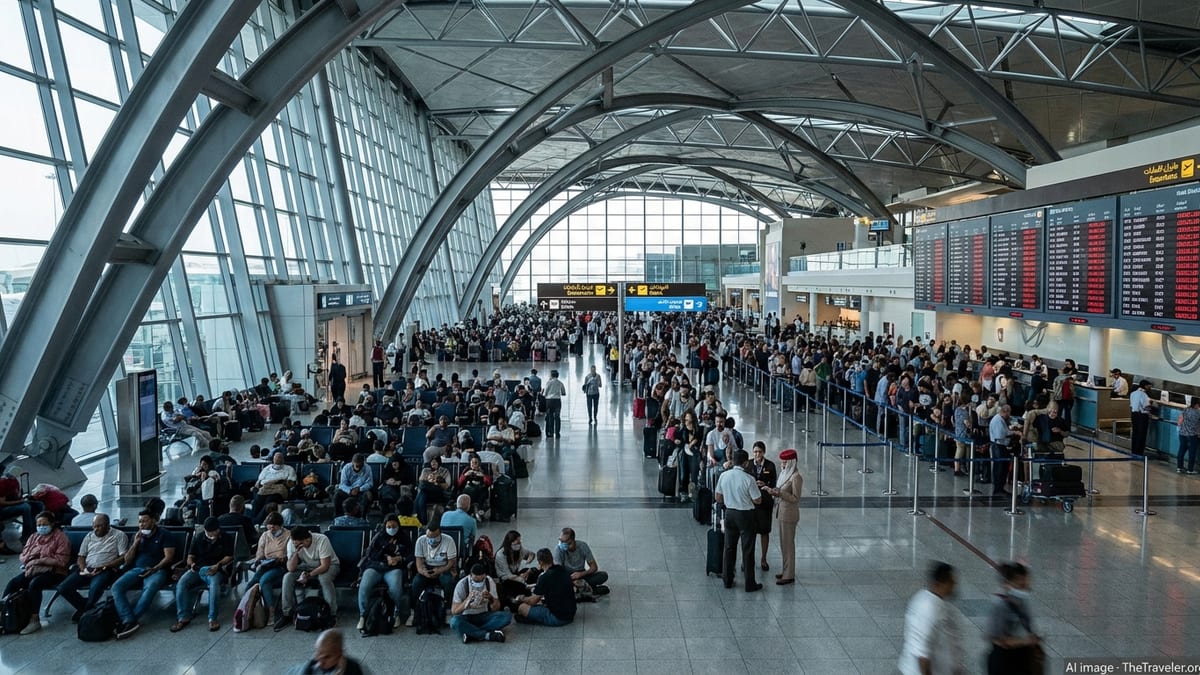
The downgrade is particularly significant for “iconic” stopover cities such as Dubai and Doha, which serve as major gateways for Australians heading to Europe, the United Kingdom, Africa and parts of Asia. For months, heightened travel warnings, airline schedule changes and war-related airspace restrictions had prompted many travellers to re-route via Asian hubs such as Singapore, Bangkok and Kuala Lumpur.
Industry analysis and consumer travel coverage indicate that the shift back to Level 3 for Qatar and the United Arab Emirates removes a major psychological barrier for travellers considering itineraries through the Gulf. Middle Eastern carriers account for a large share of long-haul capacity between Australia and Europe, and the updated advisory is expected to gradually restore demand for these routes, particularly for peak northern summer travel.
Despite the improvement, travellers are being urged in public guidance to pay close attention to subnational advice, route maps and any specific exclusions that may apply. In Israel, for example, some areas remain listed at Level 4, and transit passengers are advised to keep layovers as short as practical, avoid unnecessary movement outside airport secure zones and remain alert to local security announcements.
High-Risk Conflict Zones Stay at ‘Do Not Travel’
While some Middle East destinations have seen an easing of restrictions, DFAT’s overall posture toward the region remains cautious. Current summaries of the advisory framework continue to list Iran, Iraq, Lebanon, Palestine, Syria and Yemen at Level 4 “Do not travel”, reflecting the combined risks of armed conflict, terrorism and potential sudden escalation.
Jordan, Oman and Saudi Arabia remain at Level 3, indicating that non-essential travel should still be deferred. For these countries, publicly accessible guidance highlights ongoing concerns about regional spillover, localised security incidents and the potential for disruptions to aviation, border crossings and critical infrastructure.
Travel security experts note that the patchwork of levels across the Middle East is designed to reflect conditions on the ground rather than blanket regional trends. Even as some front-line hostilities ease or stabilise, the presence of armed groups, historical flashpoints and unresolved political tensions means that the risk profile in many areas remains elevated by global standards.
Implications for Flights, Insurance and Itinerary Planning
The updated DFAT advice has immediate implications for Australians planning trips involving Middle East transit. Travel industry bulletins report that some tour operators and wholesalers had previously cancelled or rerouted departures to nearby destinations such as Jordan and Oman in response to earlier Level 4 warnings for Gulf hubs; these operators are now reassessing programs scheduled for late June and beyond.
Insurance conditions are another critical factor. Product disclosure documents from several major Australian insurers state that cover can be limited or excluded when a destination is subject to “Do not travel” advice, particularly for claims directly linked to the reason for the warning. With key hubs now back at Level 3, some policy restrictions may ease, although travellers are still being encouraged in public advisories to check wording carefully and obtain written confirmation where necessary.
Globally, aviation analysts expect that the gradual reopening of the Middle East as a viable transit corridor for Australians will help relieve pressure on alternative routes through Asia, where demand and fares had surged during the height of the crisis. However, airlines and airports across the region are still operating with contingency plans in place, and schedule changes, last-minute rerouting and longer flight times remain possible.
What Australian Travellers Should Do Now
Publicly available travel guidance emphasises that anyone considering a trip to or through the Middle East should start by consulting the latest Smartraveller advice for each destination and transit point. Travellers are also encouraged to subscribe to alert services so that changes in advice are delivered directly by email or notification.
Experts in risk management suggest building flexibility into itineraries, including avoiding tight connections, considering fully refundable or changeable fares where budgets allow, and keeping accommodation bookings flexible in case flights need to be re-routed at short notice. Travellers are also advised to maintain up-to-date contact details with airlines and tour operators so that operational updates can be received promptly.
For those planning trips in the coming months, the latest DFAT update signals cautious optimism for travel through some of the Middle East’s most important hubs, including an iconic skyline destination that has long been a favourite stopover for Australians. Yet the persistence of “Do not travel” warnings across several conflict-affected states underscores that the region remains complex and, in parts, highly unstable, requiring careful planning and close attention to official advice.