


More news on this day
A Danube voyage from Budapest on TUI River Cruises’ ship Skyla was abruptly canceled this week after an air-conditioning failure left 146 passengers facing temperatures of around 39°C during a severe Central European heatwave.
Get the latest news straight to your inbox!
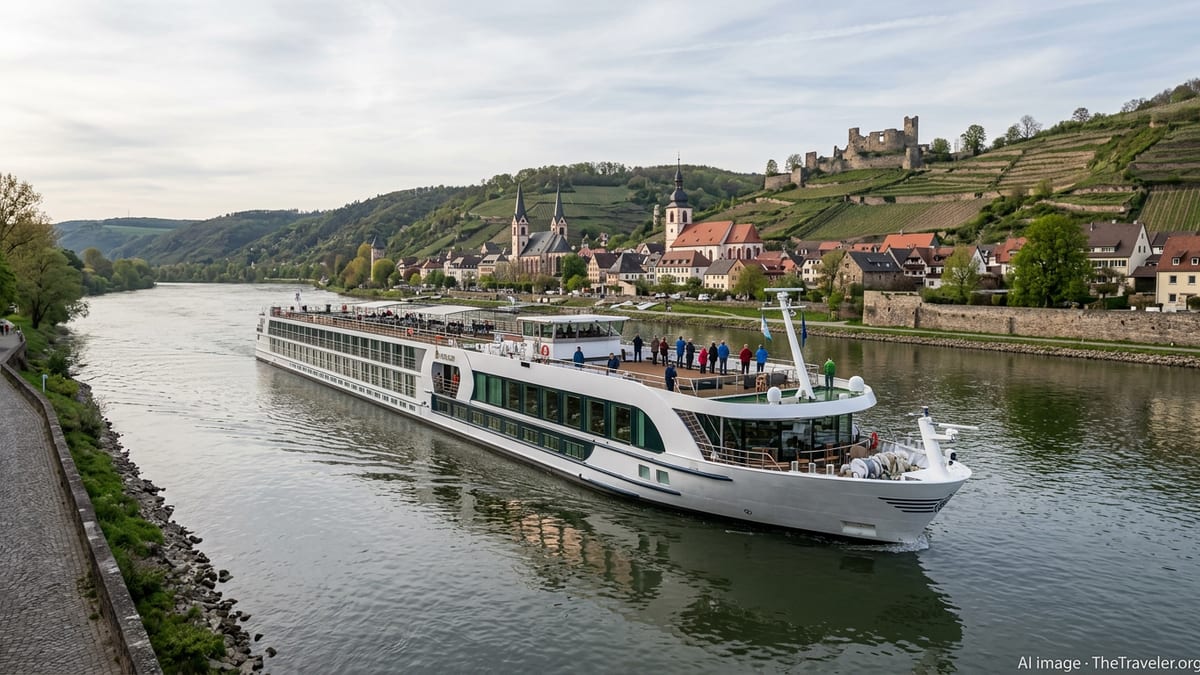
Danube Holiday Cut Short as Heatwave Exposes Technical Failure
The incident occurred in early July 2026, as Budapest and much of Central Europe were gripped by a prolonged hot spell pushing daytime temperatures into the high 30s Celsius. Passengers had boarded the adults-only TUI Skyla for a week-long Danube itinerary, only to be told within hours that the cruise would not depart.
According to published coverage, the decision followed a breakdown in the ship’s air-conditioning system while it was docked in the Hungarian capital. With forecasts indicating temperatures around 39°C, and interior areas reportedly becoming uncomfortably hot, the company opted to cancel the sailing rather than attempt to operate without effective cooling.
Reports indicate that the 146 guests on board were transferred to hotels in Budapest for the night, offered meal vouchers, and later flown back to their home countries. Travel industry outlets describe scenes of disappointment as holidaymakers, many of whom had spent months planning a Danube cruise, saw their trips end before the vessel left the quay.
The cancellation has quickly become a high-profile example of how Europe’s increasingly intense summer heat can magnify the impact of technical issues on river cruises, where vessels often rely heavily on closed, climate-controlled interiors for comfort.
Passengers Stranded as Compensation and Logistics Unfold
Publicly available information suggests that passengers had already completed flights to Budapest and transfers to the ship when the fault became apparent. Some accounts describe guests being asked to leave their cabins by late afternoon, collecting luggage and moving ashore as arrangements were made for overnight accommodation.
Travel reports state that TUI provided hotel rooms in the city and issued meal and drinks vouchers to help cover immediate expenses. The following day, passengers were rebooked on flights home, effectively cutting what was intended as a week-long river journey down to a short and stressful stopover.
Details emerging from cruise-focused publications and consumer travel coverage indicate that affected customers have been offered a range of remedies, including refunds for their canceled sailing and options for future travel credit. The specific compensation packages appear to vary by booking channel and fare type, as is common in the river cruise sector.
For many travelers, however, the most significant frustration has been the loss of a long-anticipated itinerary along the Danube, including planned calls in Austria and Slovakia, and time to explore Budapest’s riverfront and historic districts from the comfort of a ship.
Questions Raised Over Maintenance and Heatwave Preparedness
The TUI Skyla incident has prompted wider discussion within the river cruise community about vessel maintenance standards and contingency planning during extreme weather. Commentary in specialist cruise outlets notes that air-conditioning failures, though infrequent, can rapidly become critical when temperatures approach 40°C and passengers spend extended periods on board.
According to analysis in business and travel publications, the breakdown on Skyla appears to have occurred against a backdrop of sustained high demand for river cruises and a broader European trend of hotter, drier summers. Technical systems on river vessels, many of which operate almost continuously through the main season, can be placed under added strain in such conditions.
Observers have also highlighted the particular vulnerability of river ships, which typically feature large glass areas and relatively compact public spaces, making effective cooling essential for safety and comfort. When those systems fail during a heatwave, simply keeping passengers on board while repairs are attempted can be difficult, especially when dockside infrastructure is not designed to provide shade or alternative cooling.
Industry commentators suggest that operators may now face closer scrutiny over how quickly they disclose recurring technical issues, how they decide whether to board new passengers when faults are still under investigation, and what thresholds they use to cancel or modify sailings in extreme heat.
Heatwave Adds Pressure on Europe’s River Cruise Sector
The cancellation comes during a period in which much of Europe is again grappling with record or near-record summer temperatures. Meteorological services around the continent have reported extended hot spells along major river corridors, including the Danube, affecting both water levels and on-shore tourism activities.
River cruise lines have already had to adapt to weather-related disruptions in recent years, from low and high water affecting navigability to heat advisories limiting daytime excursions. The Budapest incident underscores how air temperature alone can now jeopardize an otherwise routine itinerary when onboard climate control systems are compromised.
Travel analysts note that passenger expectations for comfort on river cruises have risen significantly, with many guests choosing these itineraries precisely because they promise a blend of scenic travel and hotel-style amenities. In that context, reliable air conditioning is treated as a basic requirement rather than a luxury, particularly for older travelers and those with health conditions that make them more sensitive to heat.
The latest disruption is likely to sharpen focus on how operators communicate risks during booking and pre-departure, including the possibility of itinerary changes or cancellations linked to extreme weather or technical malfunctions exacerbated by heat.
TUI River Cruises’ Broader Operations and Next Steps
TUI River Cruises is a relatively young brand within the wider TUI Group portfolio, operating a small fleet of refurbished river ships on itineraries across the Danube, Rhine and other European waterways. The company has been expanding capacity and adding new routes, including additional Danube voyages scheduled into 2026.
In public statements cited by multiple travel outlets, TUI has acknowledged the technical issue affecting Skyla’s air conditioning and expressed regret for the disruption. The company has indicated that engineers are working to resolve the fault so that the vessel can re-enter service once conditions are deemed suitable.
Travel industry reports suggest that future Danube sailings on TUI Skyla remain on sale, though some prospective guests are watching closely for updates on repairs and on any policy changes arising from the Budapest episode. Market analysts observe that, while isolated cancellations are unlikely to derail broader demand, repeated technical problems linked to heat could influence customer perceptions.
For now, the focus remains on the 146 passengers whose holidays were cut short at the quay in Budapest, and on what the case may signal about the operational challenges European river cruise lines face as extreme summer temperatures become a recurring feature of the travel landscape.