


More news on this day
Port Canaveral is preparing to open two new cruise terminals by the end of 2026, a twin build-out that is set to boost capacity at what publicly available information now describes as the world’s busiest cruise port.
Get the latest news straight to your inbox!
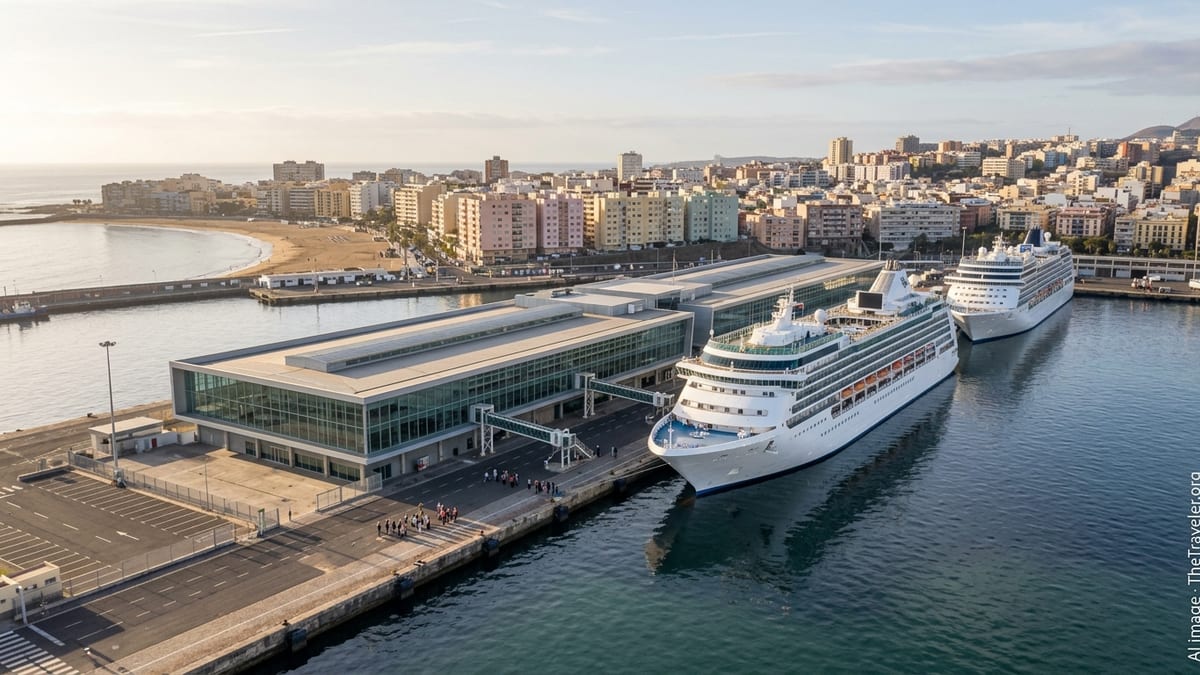
New Multi-User Terminal Rising at North Cargo Berth 8
Port planning documents and previously released project summaries describe one of the new facilities as a multi-user cruise terminal complex at the existing North Cargo Berth 8 site on the port’s north side. The project, often referenced in earlier materials as Cruise Terminal 7 or a working-title “Terminal X,” is designed to convert a cargo berth into a full cruise campus with a modern terminal building and dedicated parking.
According to published coverage, the development includes a purpose-built cruise berth, terminal, and an adjacent multi-level parking structure sized to handle the larger passenger volumes now common with new-generation ships. Earlier timelines pointed to a completion window around mid-2026, aligning with the port’s strategy to have the facility ready for peak summer and fall traffic.
Publicly available information indicates that the design is intentionally flexible rather than tailored to a single brand. That approach would allow Port Canaveral to accommodate a mix of cruise lines as new deployments to Central Florida are announced, while also giving the port options to reposition vessels between its north- and south-side terminals as needed.
The new terminal at North Cargo Berth 8 is being framed within the port’s broader capital program, which allocates hundreds of millions of dollars to new cruise infrastructure, roadway upgrades, and berth improvements. The coming online of this facility in late 2026 is expected to reshape traffic patterns on the north side of the channel and create new embarkation options beyond the long-established terminals.
Extensive Expansion Underway at Existing Cruise Terminal 5
On the south side of the harbor, Port Canaveral is also deep into a major expansion of Cruise Terminal 5, which serves a mix of mainstream cruise brands. Procurement notices and project descriptions outline plans to nearly double the terminal’s interior space and significantly reconfigure passenger processing areas, with construction targeted for completion by the end of 2026.
Reports describe the Cruise Terminal 5 project as a substantial enlargement, taking the building from roughly 90,000 square feet to around 170,000 square feet. The work includes expanded check-in and security zones, upgraded baggage handling, and redesigned circulation intended to shorten queues and separate arriving and departing flows more cleanly.
To keep ships sailing while crews work, public information shows that the port has been shifting some calls to nearby Cruise Terminal 6 and adjusting parking and traffic patterns around the construction site. Passenger accounts posted online in recent months have described active construction in that corner of the port but generally functioning embarkation days, reflecting the “build while sailing” approach the port has adopted.
Once completed, the enlarged Cruise Terminal 5 is expected to be capable of handling larger vessels and higher passenger counts on peak days, giving the port additional flexibility as cruise lines redeploy ships to Central Florida in 2026 and 2027.
Capacity Push Follows Record Passenger Growth
The two terminal projects are advancing against the backdrop of rapid growth. Recent annual reports and media coverage have noted that Port Canaveral moved more than 8.6 million cruise passengers in the 2025 fiscal year, surpassing PortMiami and reinforcing its position as the world’s busiest cruise port.
In response, the Canaveral Port Authority launched a multi-year capital improvement program approaching one billion dollars, covering not only new terminals but also extensive renovations at existing facilities, new parking garages, and road realignments. The twin terminal build-out now underway is a central piece of that expansion plan.
Cruise line deployment announcements have underscored the stakes. Major brands have already committed additional ships to Port Canaveral through the latter half of the decade, including large contemporary vessels scheduled to begin or expand operations from the port starting in late 2026 and 2027. The additional capacity provided by the new North Cargo Berth 8 terminal and the enlarged Cruise Terminal 5 is being positioned to absorb that growth.
Port forecasts outlined in public documents anticipate continued year-over-year increases in passenger throughput as the new facilities open. The port is also working to coordinate terminal openings with landside improvements, including dedicated access roads and redesigned traffic patterns, in an effort to manage congestion on busy weekend turnaround days.
Construction Progress and What Cruise Travelers Can Expect
Construction updates shared through official channels over the past year show visible progress at both terminal sites. At the north-side conversion project, site preparation, marine work and foundation activity have been followed by rising structural elements for the new terminal and parking components. On the south side, the Cruise Terminal 5 building footprint has expanded, with structural steel and exterior work reshaping the skyline near Terminals 5 and 6.
Travelers heading to Port Canaveral in 2026 are likely to encounter active construction zones, temporary traffic diversions, and evolving parking arrangements around these projects. Guidance available in recent months has recommended that passengers allow extra time for arrival and follow posted signage directing vehicles to the correct garages and drop-off lanes.
Despite the disruption, publicly available information indicates that the port intends to keep all existing terminals operational while construction continues, adjusting ship assignments and embarkation times as necessary to keep passenger flows moving. Cruise lines have been updating pre-cruise documentation and embarkation instructions to reflect any changes in terminal use or parking access for specific sailings.
Once both new facilities are completed, passengers are expected to see more spacious check-in halls, upgraded security and boarding technology, shorter curbside queues, and additional covered parking capacity. For travelers, the most visible change will likely be an expanded roster of ships and itineraries sailing from the port, as cruise lines take advantage of the added berth and terminal capacity.
Strategic Role in Central Florida’s Tourism Economy
The completion of two cruise terminals in a single year carries broader implications for Central Florida’s tourism economy. Port Canaveral functions as a key coastal gateway for visitors pairing cruises with theme parks and other attractions in the Orlando region, and the added capacity strengthens that role.
Regional planning documents and tourism analyses have highlighted the economic impact of cruise operations, from passenger spending on hotels, transportation, and entertainment to jobs linked to port services and provisioning. With more ships and larger vessels expected to homeport at Port Canaveral once the terminals open, local businesses stand to benefit from higher passenger volumes before and after sailings.
The terminal expansion also fits into a wider trend of Florida seaports modernizing cruise infrastructure to keep pace with the industry’s shift toward larger, more efficient ships. By bringing two new or significantly upgraded facilities online in 2026, Port Canaveral is positioning itself to remain competitive within that landscape and to retain long-term commitments from major cruise brands.
For now, the port remains in a transitional period, balancing record traffic with active construction. As the year progresses, attention will be focused on whether both terminal projects stay on schedule and how quickly the additional capacity translates into new itineraries and homeport commitments in the seasons that follow.