


More news on this day
Southwest Airlines flight SWA4489, operated by a Boeing 737-800, diverted from its planned routing out of Las Vegas and landed in San Antonio on July 12, 2026, according to publicly available flight-tracking information and schedule data.
Get the latest news straight to your inbox!
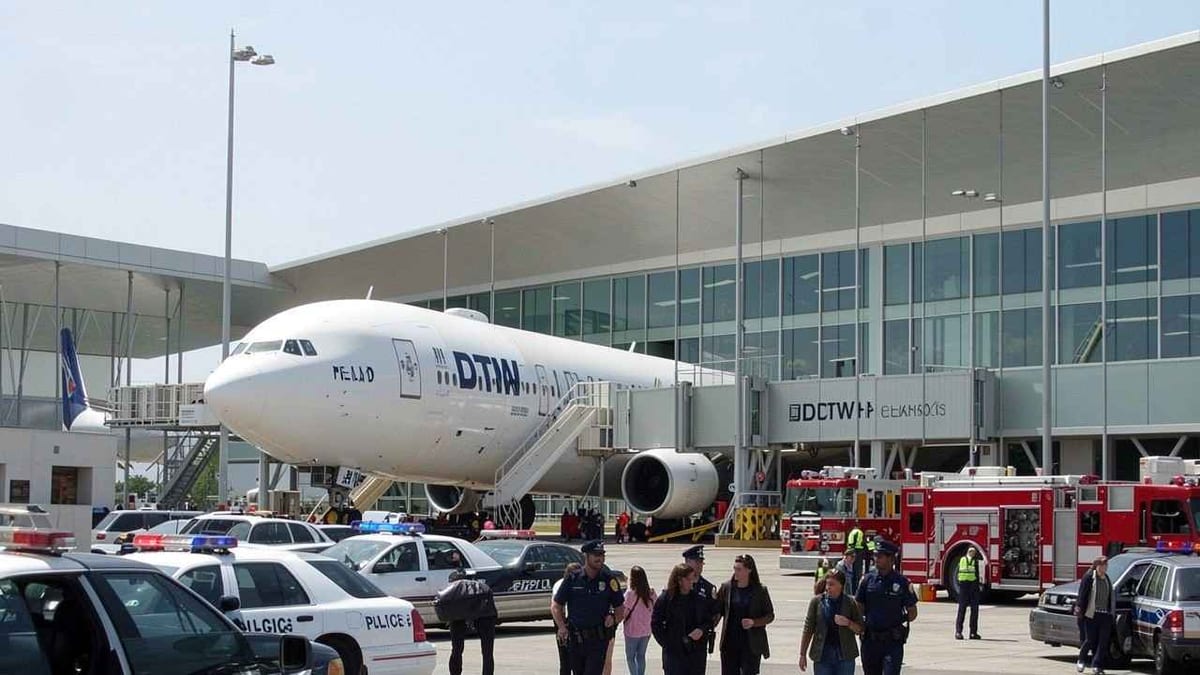
Unscheduled Las Vegas to San Antonio Diversion on July 12
Flight-tracking records for July 12, 2026, show Southwest Airlines flight number SWA4489 departing from Las Vegas and ultimately landing in San Antonio instead of its originally scheduled destination. Data from independent tracking and schedule aggregators indicate that the change in routing occurred during the day’s operations and was not part of the published advance timetable, which generally lists other flight numbers on the nonstop Las Vegas to San Antonio sector.
The Boeing 737-800 involved in the operation is part of Southwest’s core narrowbody fleet, used on high-frequency domestic routes across the carrier’s network of more than 100 destinations. The Las Vegas to San Antonio corridor is one of many mid-length routes served by the airline, and tracking data for July 12 place SWA4489 in that pattern despite not being regularly advertised under that specific flight number.
Available timing information suggests that the aircraft departed Las Vegas, flew a route broadly consistent with a mid-continent segment, and then diverted to San Antonio where it completed its journey. There were no immediate indications in public databases of an emergency declaration, and the flight landed within a timeframe characteristic of a standard mid-haul operation.
Operational Context and Possible Drivers
Publicly accessible tools used by passengers to monitor flight status indicate that SWA4489’s Las Vegas departure and arrival into San Antonio occurred against a backdrop of a busy midsummer weekend schedule. Data sets for other Southwest flights on July 12 show active traffic into and out of both Las Vegas and San Antonio, including regularly scheduled services and aircraft positioning movements designed to keep the network balanced.
Airline operations experts note that diversions of this kind can stem from a wide variety of factors, including weather developing along the planned route, air traffic flow constraints, or maintenance concerns identified while the aircraft is in service. Published guidance on airline disruptions also points to crew duty-time limits and congestion at downstream airports as additional reasons that can trigger a mid-journey change in destination.
In this instance, publicly available records do not specify the precise cause of the diversion for SWA4489 on July 12. However, the pattern of operations, the aircraft type, and the absence of prolonged ground holds in the timeline are consistent with a precautionary operational choice rather than a prolonged irregular operations event. Historical analyses of airline performance show that such tactical adjustments are a routine part of keeping complex networks running, particularly during peak travel months.
Southwest’s Network Role for Las Vegas and San Antonio
Southwest Airlines lists Las Vegas and San Antonio as important nodes in its domestic network, with Las Vegas serving as one of the carrier’s busiest connecting points and San Antonio functioning as a key regional gateway in Texas. Route maps and schedule summaries for July 2026 show multiple daily flights linking these cities to a wide array of destinations, reflecting strong demand for both leisure and business travel.
As of mid-2026, Southwest operates frequent departures from Las Vegas to cities across the West, Midwest, and South, including numerous services that either originate, terminate, or connect through Texas. San Antonio, meanwhile, is linked to major hubs and leisure markets, giving the airline flexibility to reroute aircraft and passengers through the city when operational needs arise.
In that context, the decision to land SWA4489 in San Antonio aligns with the role of the airport as a workable diversion and repositioning point. Once an aircraft is on the ground there, the airline can, according to publicly available scheduling information, either continue it to its original destination on a different flight number or reallocate it to another route depending on crew availability and maintenance requirements.
Passenger Experience and Reaccommodation Patterns
Customer accounts shared in broader 2026 discussions of Southwest’s performance illustrate how diversions and irregular operations are typically handled across the network. When a flight is rerouted, passengers are commonly placed on later departures to reach their final destinations, or they may be offered revised itineraries through alternative connecting cities, according to general guidance from airline disruption information resources.
Although specific passenger narratives related directly to flight SWA4489 on July 12 were not widely documented in public forums at the time of writing, similar cases involving diversions to or from Las Vegas and Texas airports show that same-day reaccommodation is often possible when aircraft and seats are available. In other instances, travelers may encounter overnight stays if the disruption occurs late in the operational day or during periods of constrained capacity.
Industry analyses published in 2026 highlight that diversions represent a small percentage of total flights but can have an outsized impact on individual travel plans. For an airline of Southwest’s scale, even a modest rise in irregular operations can translate into hundreds of affected customers on a busy summer weekend, with knock-on effects as aircraft and crews are repositioned.
What the Diversion Signals About Summer 2026 Operations
The diversion of Southwest flight SWA4489 from Las Vegas to San Antonio on July 12 occurs as U.S. carriers manage a demanding peak summer travel season. Data-driven studies of flight patterns and delay statistics point to congestion, weather volatility, and tight crew scheduling as pervasive challenges across the industry in 2026, particularly for large domestic operators.
Southwest’s experience illustrates how airlines use tactical adjustments such as diversions to protect safety and maintain schedule integrity where possible. While such moves can inconvenience travelers on the affected flight, they may help limit wider disruption by keeping aircraft positioned to operate subsequent legs and by aligning with airport capacity and weather windows.
Publicly available performance metrics suggest that maintaining reliability through the heart of the summer period remains a central concern for airlines and passengers alike. Events like the SWA4489 diversion underscore the finely balanced nature of modern airline scheduling, where a single rerouting decision can ripple through multiple cities but is also part of a broader strategy to keep a sprawling route network moving.