


More news on this day
U.S.-bound flights are departing again from Montreal-Trudeau International Airport after a disruption to American customs preclearance, but travellers face continuing delays and congestion as operations gradually normalize.
Get the latest news straight to your inbox!
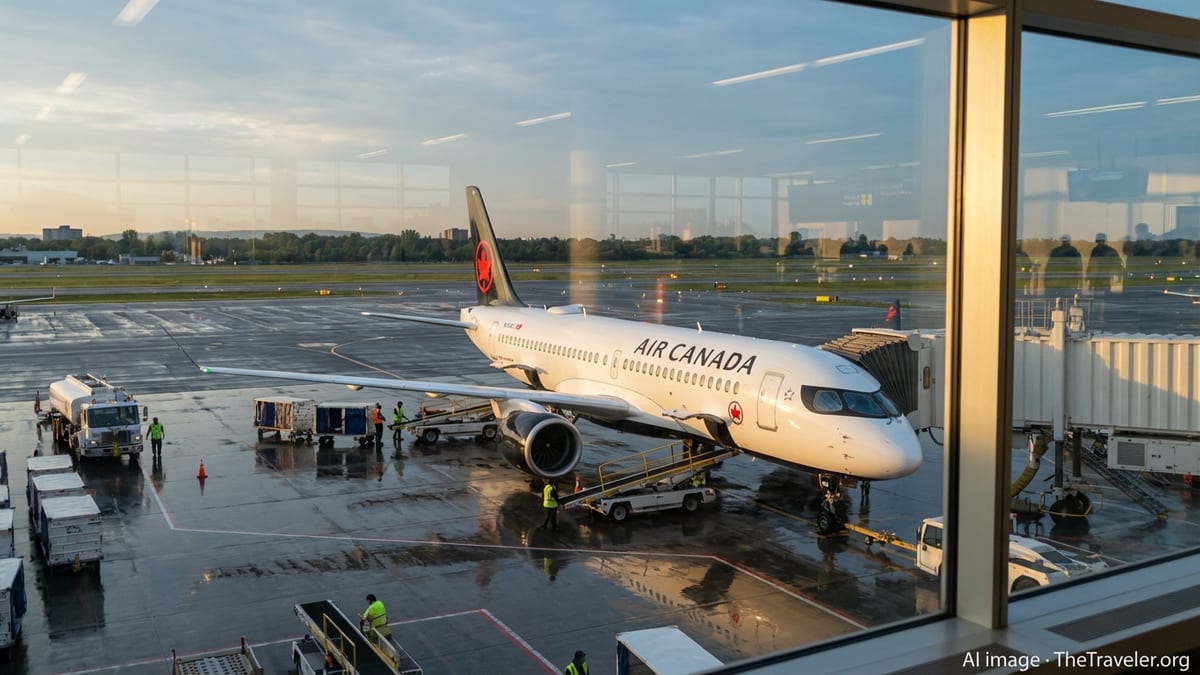
System outage triggers early-morning disruption
Reports from airport authorities and Canadian media indicate that a technical outage affecting U.S. customs and border processing at Montreal-Trudeau began in the early hours of Tuesday, temporarily halting preclearance of passengers bound for the United States. The interruption affected the dedicated departures area for U.S.-bound flights, where travellers clear American customs and border checks before boarding.
Publicly available flight-tracking data show a sharp buildup of delays and a series of cancellations on routes from Montreal to major U.S. hubs, including New York, Chicago and Washington, during the peak of the disruption. Some aircraft remained at gates while crews waited for clearance to begin boarding, while others departed significantly behind schedule once limited processing resumed.
Information shared by passengers on social media and aviation forums describes long, slow-moving lines at security and customs checkpoints, as airport staff worked around the outage using manual procedures where possible. Travellers reported waits of more than an hour in the preclearance area, with some missing connections in the United States as a result.
While the underlying technical cause has not been fully detailed in public reports, the incident follows a series of recent aviation and border system disruptions in North America that have highlighted the vulnerability of highly digitalized travel infrastructure.
Customs processing restored but backlogs linger
By late morning, publicly available statements from airport operators and airlines indicated that U.S. customs processing at Montreal-Trudeau had been restored, allowing flights to the United States to resume. However, schedules remained significantly affected for much of the day as airlines tried to move stranded passengers and reposition aircraft.
Updated departure boards showed many U.S.-bound flights operating with substantial delays as carriers re-sequenced services and attempted to consolidate lightly booked departures. Some flights were re-timed or merged, while others were still cancelled outright where crews or aircraft were no longer available.
Travel data providers tracking on-time performance recorded elevated delay percentages on Montreal routes to U.S. destinations even after customs operations were brought back online. According to published coverage, delays on certain key routes ranged from 45 minutes to more than two hours as the system worked through accumulated congestion.
Airlines operating from Montreal’s U.S. transborder concourse advised customers to monitor their flight status closely and arrive earlier than usual, noting that recovery from a sudden halt in preclearance can take many hours even after the immediate technical issue is resolved.
Impact on passengers and airport operations
The outage created knock-on effects across Montreal-Trudeau’s terminal operations, as hundreds of passengers waited in the U.S. departures zone for updated boarding times. Reports from travellers describe crowded gate areas, limited seating and pressure on concessions and washroom facilities during the height of the disruption.
Ground handling and security staff were also affected, as work flows that normally depend on synchronized digital systems had to be adapted on short notice. Baggage screening, document checks and boarding procedures were all subject to delay, according to passenger accounts and aviation industry commentary.
The disruption underscored the particular sensitivity of U.S. preclearance facilities, which operate under bilateral arrangements between Canada and the United States. When customs processing pauses, airlines are generally unable to board U.S.-bound passengers at all, forcing aircraft to sit idle at gates and slowing traffic across the wider network.
For connecting travellers, the timing of the outage created additional complications. Passengers heading to U.S. hubs for onward flights to Latin America, the Caribbean and domestic U.S. destinations reported missed connections and last-minute rebookings, adding to the financial and logistical burden of the event.
Advice for upcoming U.S.-bound travellers from Montreal
Travel industry analysts note that, even after systems are restored, disruptions of this nature can continue to affect operations for at least one full day as airlines and airports realign schedules. For those flying from Montreal to the United States in the coming hours, publicly available guidance emphasizes extra preparation and flexibility.
Passengers are being urged by published travel advisories to arrive well ahead of departure, particularly during morning and late-afternoon peaks when customs lines are typically longest. Checking in online where possible, travelling with carry-on baggage only and ensuring that contact details are current with the airline can help reduce stress if gate or schedule changes occur at short notice.
Aviation commentators also recommend that travellers with tight onward connections in the United States consider building in a longer layover or, where practical, rebooking to later flights. The residual impact of the outage may leave limited spare capacity on some transborder routes as airlines work to accommodate passengers from earlier cancelled or heavily delayed services.
While Tuesday’s disruption appears to be easing as customs processing stabilizes, the episode has served as a reminder of how quickly technical issues can cascade through the modern air travel system, particularly at busy hubs such as Montreal-Trudeau.
Broader questions about system resilience
The customs outage at Montreal comes against a backdrop of high-profile aviation technology incidents that have affected airports and airlines across North America in recent years. Industry reports have increasingly raised questions about redundancy, cybersecurity and the ability of critical travel infrastructure to continue operating when key systems fail.
Analysts point out that preclearance facilities depend on complex interactions between national border agencies, airport operators, airlines and multiple layers of information technology. Breakdowns at any point in that chain can have immediate, far-reaching consequences for passengers and carriers alike.
According to commentary from transport and border policy experts, the Montreal disruption may spur renewed discussion about backup procedures, communication protocols and investment in more resilient infrastructure. Passengers affected by the outage have highlighted the importance of timely, clear information about delays and rebooking options, particularly when they are already inside secure zones with limited alternatives.
As operations at Montreal-Trudeau gradually return to normal, observers will be watching for formal after-action reviews and any public updates on steps being taken to reduce the likelihood and impact of similar customs-related shutdowns in the future.