


More news on this day
Thunderstorms moving across the Denver area disrupted operations at Denver International Airport on Sunday, leaving more than 650 flights delayed as air traffic managers slowed arrivals and departures for safety and airlines worked through cascading schedule impacts.
Get the latest news straight to your inbox!
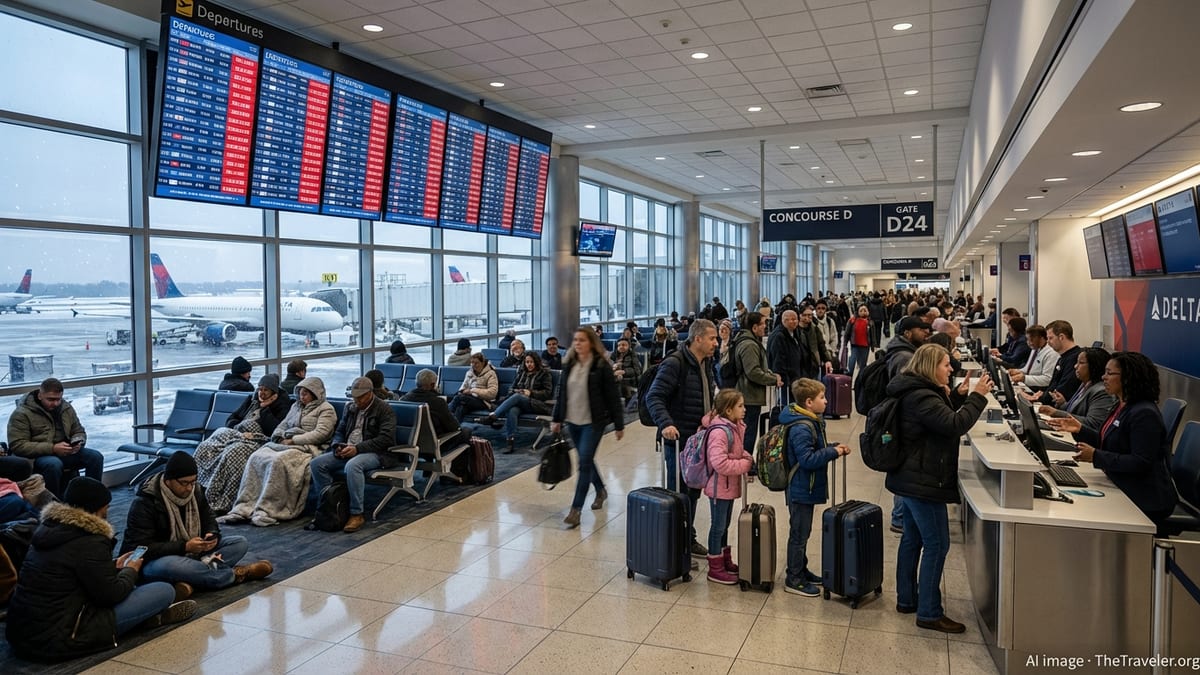
Storm-driven slowdowns ripple through a key U.S. hub
Denver International Airport, one of the country’s busiest connecting airports, can see disruptions spread quickly when convective weather reduces the safe rate of arrivals and departures. Thunderstorms in the airport’s vicinity can trigger flow restrictions that hold aircraft at their origin airports, limit ramp work during lightning, and create gate constraints as inbound flights arrive off-schedule.
On September 21, 2026, flight-tracking totals showed hundreds of delayed flights at DEN as the day’s weather pattern affected both inbound and outbound operations. Even when conditions improve, the operational hangover can persist for hours as aircraft and crews are repositioned, missed connections are rebooked, and scheduled turn times compress.
FAA traffic programs: what travelers may see during thunderstorms
Publicly available FAA airport-status information for DEN provides a snapshot of system conditions, including general arrival and departure delay categories and the time of the most recent update. Those summaries can reflect modest delay averages even when airline networks are still absorbing earlier constraints, especially at a hub where many flights arrive, turn, and depart in tightly timed banks.
During thunderstorm events, FAA air-traffic managers may use tools such as ground stops and ground delay programs, which meter the flow of arriving aircraft into an airport when weather reduces capacity. These measures are designed to keep aircraft from arriving faster than the airport can safely handle, which can help reduce airborne holding but can also shift delays to departure airports across the network.
In recent Denver-area thunderstorm episodes, published coverage has described temporary ground stops and ground delays that can stretch into the evening, with average delays exceeding an hour during the peak of the disruption. For travelers, that can translate into late gate departures, diversions for arriving flights, and longer-than-normal time to reach an available gate after landing.
Airlines most exposed at DEN and why delays compound
DEN is a major hub for United Airlines and a significant base for Southwest Airlines, with additional heavy regional operations that feed connecting banks. When thunderstorms interrupt arrival streams, the knock-on effects can be especially pronounced for short-haul aircraft cycling through multiple legs in a day, where a single late inbound can disrupt subsequent departures.
Flight delay totals can also skew toward carriers with dense schedules at DEN, including regional affiliates operating high-frequency feeder routes. In previous storm days with more than 650 delayed flights at the airport, widely cited flight-tracking breakdowns indicated a large share of delayed flights tied to Southwest and regional operators, reflecting both the scale of their Denver schedules and the sensitivity of short-turn operations to weather-driven ramp restrictions.
Because Denver’s route map connects the Mountain West with both coasts and the Midwest, delays at DEN can propagate beyond Colorado. Travelers may see secondary delays in cities that depend on Denver for onward connections, even if local weather at their origin or destination is clear.
What travelers can do right now if flying through Denver
For passengers traveling through Denver during thunderstorms, the most useful first step is verifying the specific flight’s status directly with the operating airline, then cross-checking the airport’s general status and real-time flight tracking to understand whether conditions are trending better or worse. Airlines may post rolling rebooking options in their apps during large disruption days, which can be faster than waiting in airport lines.
Travelers with connections should consider the practical risk that a delay on the first leg can cause a misconnect, especially when incoming flights arrive late and gates are congested. When seats are available, rebooking onto earlier departures can reduce that risk, but during widespread disruptions earlier flights may already be full and later departures may be delayed as aircraft rotate into position.
Thunderstorms can also affect the ground experience at DEN. Lightning in the vicinity can temporarily pause outdoor ramp activity, which can slow gate turns, baggage handling, and the availability of ground equipment. That means a flight may show as “arrived” but still take additional time to reach a gate, or depart late even after the main line of storms moves away.
For those headed to the airport, allowing extra time helps account for potential gate changes, extended taxi-out times, and crowded customer-service areas when multiple banks are disrupted. And for pick-ups, monitoring the inbound aircraft’s actual arrival time and any gate assignment changes can prevent long waits at the terminal curb.