


More news on this day
The United States has raised its travel advisory for Kenya to Level 3, asking Americans to reconsider travel to the country that draws hundreds of thousands of visitors each year for safaris, Indian Ocean beaches, and conferences across East Africa.
Get the latest news straight to your inbox!
Advisory Raised to Level 3 for Kenya
Publicly available information from the U.S. Department of State shows that on October 19, 2026, the overall travel advisory for Kenya was updated from Level 2, which urges increased caution, to Level 3, which asks U.S. citizens to reconsider travel. The change places Kenya in the second-highest category on the four-step advisory scale used for destinations worldwide.
The State Department’s advisory page cites a combination of crime, health concerns, unrest, kidnapping risk, and the threat of terrorism as key factors behind the updated rating. The country joins a group of destinations where the United States signals that travel is possible but carries heightened and diverse risks that may be difficult for individuals to manage.
Kenya’s reclassification comes as global security conditions remain volatile, with a separate worldwide caution urging Americans to exercise increased vigilance when traveling abroad. The Kenya advisory is more specific, focusing on security challenges within the country’s borders and along certain frontiers.
While the Level 3 designation does not prohibit Americans from visiting, it places Kenya in a category where travelers are encouraged to take a hard look at their plans, insurance coverage, and risk tolerance before committing to a trip.
Popular Tourism Hotspots Affected
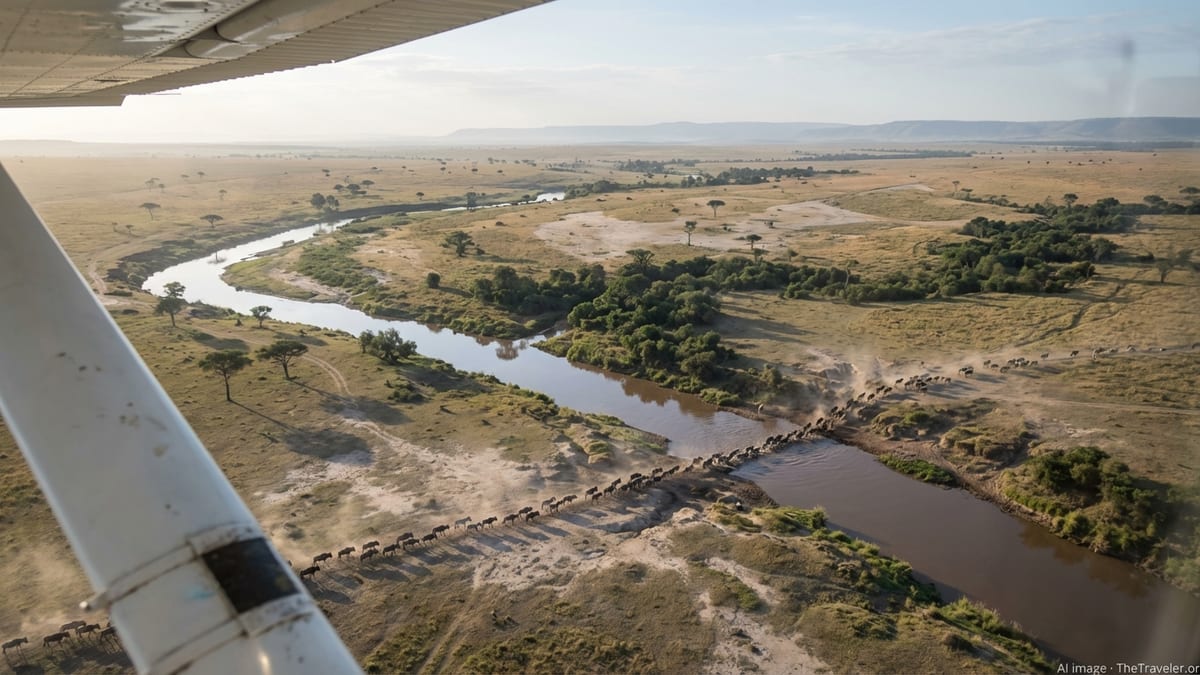
The advisory covers the entire country, including destinations that are well known among international visitors. Kenya’s flagship national parks and reserves, such as the Masai Mara, Amboseli, and Tsavo, along with beach resorts around Mombasa and Diani on the Indian Ocean coast, remain open and continue to operate. However, the higher advisory level signals that travelers should approach even these established areas with greater caution.
According to recent travel industry data and destination coverage, Kenya has long been one of Africa’s most visited countries, with its safari circuit and coastal resorts forming a central pillar of the region’s tourism economy. Tour operators, lodges, and conference venues serving American and European markets are therefore directly exposed to any shift in traveler confidence linked to the new advisory.
Public reports indicate that some parts of Nairobi and other major cities have experienced armed robberies, carjackings, and opportunistic crime, especially after dark. In addition, security incidents connected to extremist groups have been reported in regions near the border with Somalia and in a limited number of urban areas over the past several years.
Health considerations also feature in the advisory. Government and health-agency guidance for Kenya references vector-borne diseases such as malaria in certain regions, as well as periodic outbreaks of illnesses that can strain local health systems. Travelers are directed to consult official health notices alongside the security-focused travel advisory when planning a visit.
Specific Risk Factors Behind the Warning
According to published coverage of the updated notice, the raised advisory level is based on several distinct categories of risk that the U.S. government uses across all destinations. For Kenya, these include crime, civil unrest, health risks, kidnapping or hostage taking, and terrorism. Each of these risk indicators contributes to the overall Level 3 rating.
Open-source security reporting highlights targeted attacks and security operations in counties bordering Somalia, as well as sporadic incidents in parts of the capital and other urban centers. These events have typically focused on government and security targets but have at times taken place in public spaces that could affect bystanders.
In addition to violent crime and terrorism-related concerns, the advisory notes that demonstrations and protest activity can occur with limited notice. Such events may lead to temporary road closures, disruptions to public transport, and a visible security presence, which can complicate movement for visitors and residents alike.
Health-related risk indicators stem from disease transmission patterns, limited capacity in rural medical facilities, and disparities between private clinics in major cities and public hospitals in more remote regions. Travelers considering itineraries that include both urban and remote wildlife areas are encouraged by official guidance to plan for medical contingencies and evacuation coverage where appropriate.
What the Advisory Means for American Travelers
Level 3 advisories are intended to prompt travelers to weigh whether a trip is essential and, if they decide to proceed, to plan in significantly more detail than they might for a Level 1 or Level 2 destination. For Kenya, this includes checking local security conditions for each leg of an itinerary, particularly when road travel is required between cities, airports, and national parks.
Public information from the travel advisory system explains that Level 3 recommendations are based on an assessment that the risks present may be serious enough to override the benefits of nonessential travel for many people. Travelers who still choose to visit are advised to maintain a low profile, stay informed through reputable news outlets, and remain flexible in case flight schedules or local conditions change at short notice.
Travel insurance providers may also take advisory levels into account when determining coverage for cancellations or emergency services. Prospective visitors are encouraged in official guidance to review policy language carefully, especially where it references government advisories or security-related exclusions, before paying substantial deposits for safaris or resort stays in Kenya.
Families, solo travelers, and groups planning multi-country itineraries that connect Kenya with neighboring destinations may need to factor in potential rerouting or the cost of additional security measures, such as private transfers or vetted local guides, when calculating total trip expenses.
How to Check Current Guidance Before You Go
The Kenya advisory shift underscores the speed with which official guidance can change for destinations that are otherwise firmly established on the global tourism map. Publicly available resources emphasize that travelers should review the full, country-specific advisory shortly before departure, rather than relying on information consulted months earlier when a trip was booked.
The State Department’s advisory pages outline the four-level system applied to every country, along with the risk indicators that contribute to each rating. Separate sections describe regional differences within a country and may note areas where government personnel face additional movement restrictions, which can serve as a reference point for civilian travelers.
Security organizations and consular resources also encourage Americans traveling abroad to enroll in official notification systems that provide updates if conditions worsen or if emergencies occur. These services can include alerts on protests, severe weather, or major security incidents that could affect transportation or access to key tourist areas.
Travelers who are already in Kenya or preparing to arrive in the coming weeks can monitor news coverage, airline advisories, and publicly accessible embassy messages for any further changes. If no new notices appear, the October 19, 2026 Level 3 advisory remains the most current indicator of how U.S. authorities assess the balance of risk and reward in visiting one of East Africa’s most popular destinations.