


More news on this day
The United States has updated its Level 3 “Reconsider Travel” advisory for Venezuela and parts of the Caribbean after a series of powerful earthquakes left hundreds dead, disrupted infrastructure and raised new concerns about travel safety across the region.
Get the latest news straight to your inbox!
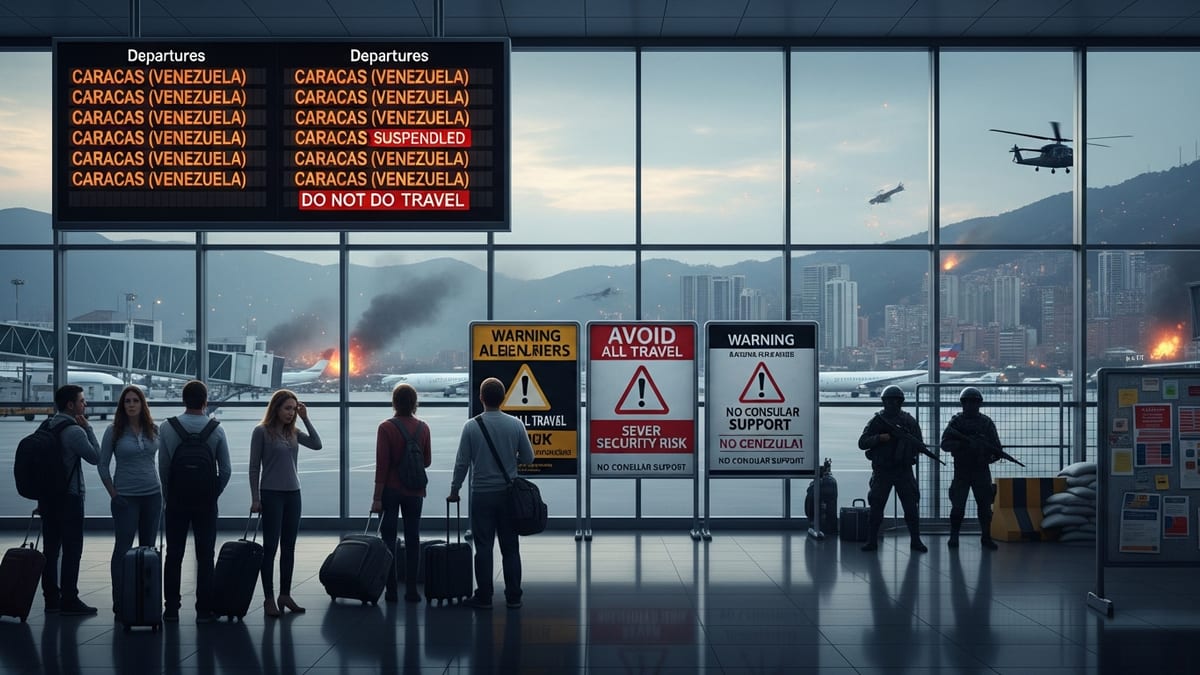
Deadly Twin Quakes Reshape Risk Calculus for Travelers
According to publicly available seismic data, a powerful 7.5-magnitude earthquake and a strong aftershock struck northern Venezuela in late June, with epicenters reported near the coastal state of Carabobo. Regional media and international coverage indicate that the tremors caused widespread damage across several northern states and offshore islands, triggering landslides, building collapses and prolonged power outages.
Reports from news outlets tracking the disaster describe a fast-rising death toll, now counted in the hundreds, with thousands more injured or displaced. Emergency services in Venezuela and neighboring countries have been stretched as search-and-rescue teams work through densely populated neighborhoods and remote coastal communities.
The earthquakes have also affected core elements of the tourism economy in and around Venezuela, including road connections to popular beach destinations, small regional airports, cruise stops and ferry services. Port authorities and local operators are continuing to assess structural damage, and some facilities remain closed or operating on limited schedules while inspections proceed.
Publicly available information from regional transport operators suggests that disruptions are likely to persist for weeks, especially in areas close to the epicenters and along heavily affected coastal corridors. Travelers already in the region are being advised by carriers and local authorities to check transport status frequently and prepare for itinerary changes at short notice.
U.S. Travel Advisory: Level 3 ‘Reconsider Travel’ Reaffirmed
The U.S. Department of State maintains a four-tier global advisory system, with Level 3 indicating “Reconsider Travel” due to serious risks to safety and security. Information published on government advisory pages shows that Venezuela was already subject to a high-level warning before the latest disaster, largely tied to crime, civil unrest and infrastructure concerns.
Following the deadly earthquakes, updated language on official advisory channels highlights natural disaster risk as an additional driver of concern for U.S. citizens contemplating trips to Venezuela and parts of the surrounding Caribbean. The revised text underscores that emergency response capacity, medical infrastructure and basic services may be further degraded in affected areas for an extended period.
Government safety material outlining how advisories work notes that a Level 3 notice is intended to signal that travelers should avoid nonessential trips and carefully weigh the necessity of any journey that cannot be postponed. The same material explains that advisories are reviewed and updated as conditions evolve, including when major disasters occur and significantly alter the operating environment for visitors.
For Venezuela and nearby territories impacted by the earthquakes, the combination of existing security challenges and fresh disaster-related damage has reinforced the U.S. government’s recommendation that potential visitors reconsider or delay travel where possible, particularly to heavily affected coastal zones and smaller islands with limited contingency resources.
Regional Impact Across the Caribbean Basin
The seismic shockwaves were felt across a broad swath of the southern Caribbean, including islands that serve as cruise and resort hubs. Early assessments shared in media reports suggest that while some destinations experienced only minor shaking, others closer to Venezuela’s northern coastline saw structural damage to buildings, piers and roads.
International coverage indicates that several cruise lines and regional airlines temporarily adjusted itineraries, avoiding ports and airports closest to the earthquake zone while engineers carry out safety inspections. Some carriers have begun restoring limited operations where infrastructure checks have been completed, but capacity constraints and last-minute changes remain common.
Travel advisories from multiple governments in the Americas and Europe now emphasize the potential for aftershocks, local fuel shortages, intermittent telecommunications and uneven access to medical care in the most affected areas. These factors complicate independent travel and make it more difficult to reroute quickly when plans are disrupted.
Travel industry analysts quoted in global coverage note that the Caribbean’s broader tourism market is resilient and accustomed to weather-related disruptions, but that earthquakes present different challenges. Unlike storms, they arrive with little warning and can damage critical port and airport infrastructure, making contingency planning especially important in the weeks following a major event.
What ‘Reconsider Travel’ Means for U.S. Tourists
Safety and security briefings published by the U.S. government explain that a Level 3 advisory does not impose a legal ban on travel but signals that individuals should avoid trips that are not strictly necessary. The guidance encourages travelers who must visit a Level 3 destination to prepare thoroughly, maintain flexible plans and develop backup options in case local conditions deteriorate.
For U.S. tourists considering Venezuela and nearby Caribbean destinations affected by the earthquakes, this means carefully evaluating the purpose of travel, reviewing local conditions in specific cities or islands and understanding that on-the-ground realities can vary widely within a single country or region. Urban centers with functioning airports and hospitals may remain accessible, while smaller coastal communities continue to grapple with damaged infrastructure.
Publicly available government guidance also stresses the importance of having robust travel insurance that covers trip disruption, evacuation and emergency medical care, as well as keeping copies of critical documents and maintaining regular contact with family or friends. Travelers are encouraged to monitor official advisories and reputable news outlets for updates on aftershocks, infrastructure repairs and any new safety alerts.
For the tourism sector, the strengthened focus on natural disaster risk in a high-profile advisory underscores the importance of transparency around safety standards, contingency planning and communication with guests. Hotels, tour operators and cruise lines operating near the affected areas are expected to face sustained questions from prospective visitors about building integrity, evacuation procedures and refund policies.
Planning Ahead in a More Volatile Travel Landscape
The updated “Reconsider Travel” message related to the Venezuelan earthquakes fits into a broader pattern of heightened global caution for U.S. travelers in 2026. Government advisories in several regions now factor in overlapping risks, from armed conflict and political instability to extreme weather, health emergencies and seismic activity.
Travel specialists observing these trends suggest that U.S. citizens may increasingly need to treat advisories as a dynamic part of trip planning rather than a last-minute check. This includes monitoring notice levels in the months leading up to a journey, understanding regional fault lines and storm seasons, and being prepared to pivot to alternative destinations when risk profiles change suddenly.
In the Caribbean basin, the latest earthquakes serve as a reminder that even destinations best known for beaches and resorts can face sudden and severe natural hazards. For many travelers, the decision will not necessarily be whether to visit the region at all, but when and where to go, and under what conditions they feel comfortable proceeding.
As recovery operations continue in Venezuela and advisory language evolves, the one constant for prospective visitors is the need for flexibility. Trip plans that can be adjusted, rerouted or delayed in response to new information are likely to be an essential part of safe and responsible travel to earthquake-affected areas in the months ahead.