


More news on this day
Passengers flying out of the UAE on August 31, 2026 are being advised to check their flight status carefully, as Emirates, Etihad Airways, flydubai and Air Arabia continue to operate a mix of on-time services, delays and cancellations while regional tensions and operational constraints keep some routes under review.
Get the latest news straight to your inbox!
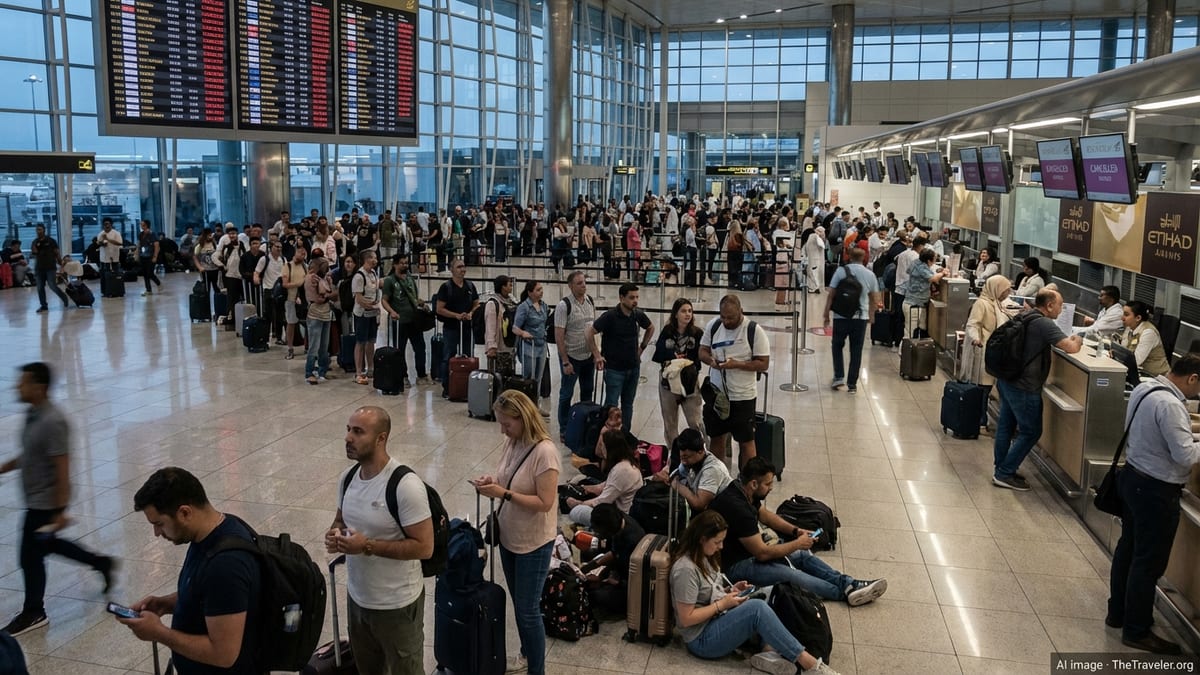
Regional backdrop keeps some UAE routes under pressure
According to recent regional coverage, airlines based in the UAE have largely restored normal schedules after earlier disruptions linked to heightened geopolitical tensions, but certain routes remain vulnerable to short-notice changes. Publicly available reporting from late August notes that Emirates, Etihad, flydubai and Air Arabia are all maintaining the bulk of their networks while cancelling or rerouting a smaller number of services on specific corridors affected by the security situation.
Information from Gulf-focused news outlets indicates that these adjustments are most visible on services crossing higher-risk airspace or serving destinations where demand patterns have shifted in recent weeks. While many flights are operating as planned, a patchwork of suspensions, delays and diversions continues, leaving passengers reliant on real-time status tools provided by airlines and airports.
Dubai and Abu Dhabi hubs remain fully open, and airport operators describe operations as largely normal for the end of August travel period. However, published guidance stresses that even when airports are functioning normally, airlines may alter individual flights for safety, regulatory or scheduling reasons, especially on longer-haul and regional routes exposed to fast-changing conditions.
For travellers departing the UAE today, the overall picture is one of mostly routine operations overlayed with pockets of disruption that can affect specific flights rather than entire networks. This makes advance checks essential, rather than assuming previously confirmed itineraries will depart exactly as ticketed.
Emirates: mostly on schedule but some longer-haul delays
Emirates continues to operate an expansive network from Dubai International, and real-time status feeds show the majority of departures for August 31 listed as scheduled or on time. For example, long-haul services such as EK448 from Dubai to Auckland are indicated as running to schedule on August 31, with standard check in closing one hour before departure, based on live schedule data compiled by flight-tracking platforms.
At the same time, external trackers highlight isolated long-haul delays into Dubai. One recent example is an Emirates A380 service from New York to Dubai, which data from an independent radar-tracking site shows departing several hours behind schedule while still projected to arrive in Dubai within its updated time window. These cases illustrate how knock-on effects on global rotations can generate late arrivals even when the onward departure bank remains broadly stable.
Emirates’ own flight-status and disruption pages emphasise that customers should verify details on the airline’s website or app before travelling to the airport. Guidance updated in June 2026 notes that passengers whose flights are cancelled can request rebooking or refunds and that some tickets allow complimentary date changes within fare rules.
For travellers flying today, this means that while most Emirates departures from Dubai are expected to proceed as planned, late-running inbound aircraft and shifting overflight conditions can still produce last-minute gate or timing changes. Monitoring status in the hours before departure remains the safest approach.
Etihad: selective delays amid otherwise stable operations
In Abu Dhabi, Etihad Airways is operating regular schedules from Zayed International Airport, with key long-haul routes from North America and Asia showing as scheduled in live status feeds compiled by online travel platforms. For instance, flight data for EY002 from New York to Abu Dhabi lists today’s service as scheduled, with an on-time arrival anticipated based on current tracking information.
Other routes do show signs of delay. A recent Etihad service EY441 from Manila to Abu Dhabi is marked on an independent flight-tracking site as delayed by several hours against its original timetable, with the arrival into Abu Dhabi in the early hours of August 31 pushed back but still expected to operate. Such examples underline that individual long-haul sectors can be vulnerable to upstream disruptions, even when hub operations appear steady.
Etihad’s customer information channels encourage passengers to check the status of each flight sector independently, particularly when journeys involve connections through Abu Dhabi. If one leg is delayed, minimum connecting times can be affected and rebooking may be offered depending on fare conditions and available alternatives.
For those departing the UAE today on Etihad, publicly available information suggests that most flights are running broadly as timetabled, with delays concentrated on a limited number of long-haul services. Building in extra time at the airport and verifying connection status can help manage any residual risk.
flydubai and Air Arabia: close monitoring on regional routes
Low-cost carriers flydubai and Air Arabia occupy a significant share of short and medium-haul routes from the UAE, serving destinations across the Gulf, Middle East, Central and South Asia, and parts of Europe and Africa. Their networks can feel the impact of regional developments quickly, particularly on routes that cross sensitive airspace or serve cities where demand has softened.
Flydubai’s online flight-status portal invites passengers to search by route or flight number for up-to-the-minute information, reflecting the need to track conditions that can change throughout the day. External tracking for individual codeshares also shows some services between Dubai and regional destinations operating with modest average delays, often in the range of 40 minutes to an hour, even when listed as on time for gate departure.
Air Arabia offers a similar real-time tracking tool covering its operations from hubs in Sharjah, Abu Dhabi and Ras Al Khaimah. Guidance available on its website advises customers with connecting itineraries to check each sector separately, suggesting that the airline anticipates variability on certain links even when the overall schedule is intact.
For budget-conscious travellers using these carriers today, the principal challenge is less widespread cancellation and more the risk of rolling delays that can affect short-haul same-day plans. Close attention to status updates and allowing flexibility at the start and end of trips can help mitigate frustration.
What UAE-bound passengers should do before leaving home
Across all four major UAE-based carriers, publicly available guidance converges on a similar message: do not travel to the airport without checking the latest status of your specific flight today. Airline websites and apps remain the primary reference points, supplemented by airport status boards from Dubai Airports and other UAE gateways.
Travellers are also encouraged by published advisories to keep an eye on email and SMS notifications. In some recent disruption episodes, airlines have informed customers of cancellations or rebookings before these changes appeared consistently across all external tracking platforms, making direct communication channels particularly important.
Given that the current pattern of disruption is selective rather than system-wide, passengers with flexible plans may prefer to adjust travel dates on routes that show repeated delays or sporadic cancellations. Many tickets issued in recent months include at least one no-penalty date change, although any fare differences generally remain payable.
For those who must travel today, the practical advice from airline and airport information sources is to arrive early, allow for additional time at security and immigration, and remain prepared for possible schedule changes at short notice. With most flights still operating, proactive monitoring rather than drastic itinerary changes is the key to a smoother departure from the UAE on August 31.
Gulf News coverage of UAE flight disruptions
Emirates flight status and disruption information