


More news on this day
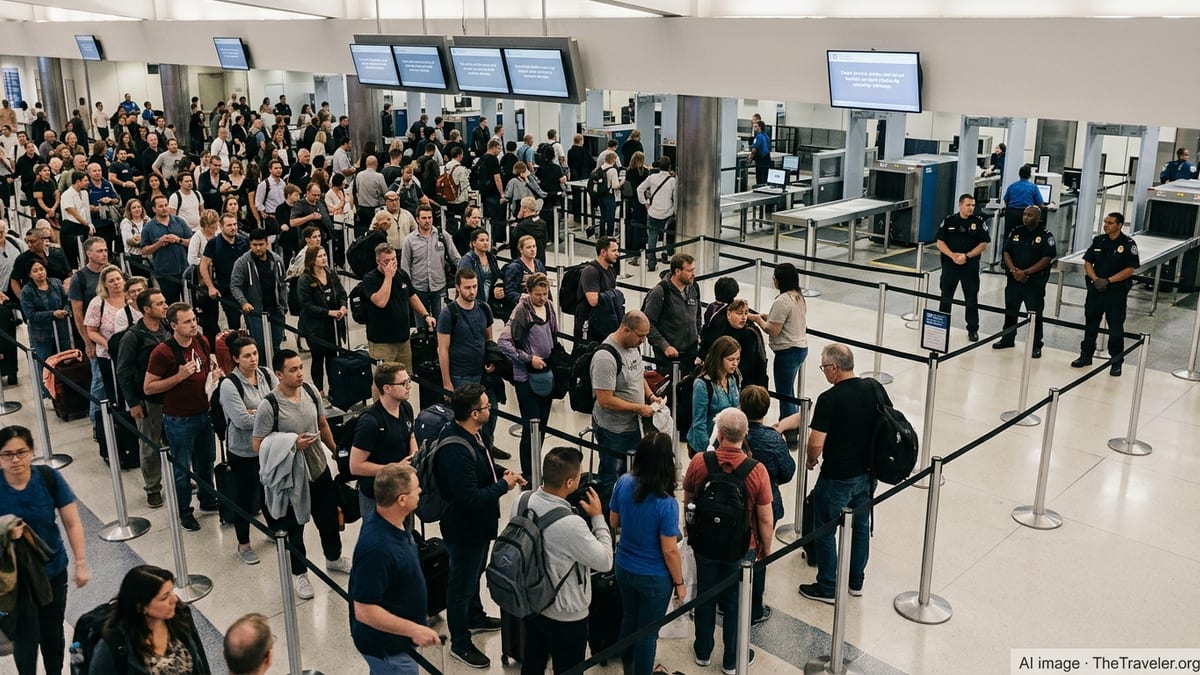
Thousands of travelers faced severe disruption in Kenya on Sunday and Monday as an airport staff strike and go‑slow at Jomo Kenyatta International Airport in Nairobi and other major hubs led to widespread flight delays, missed connections, and overnight queues in terminal halls.
Get the latest news straight to your inbox!
Strike brings Kenya’s busiest airport to a near standstill
Published coverage from Nairobi indicates that members of the Kenya Aviation Workers Union resumed industrial action on Sunday 30 August 2026, targeting key airport operations at Jomo Kenyatta International Airport (JKIA) and Moi International Airport in Mombasa. Reports describe ground staff and other aviation workers slowing down or halting services, which immediately disrupted check‑in, baggage handling, and aircraft turnaround times.
News outlets in Kenya describe scenes of chaos at JKIA as flights that were scheduled to depart from early morning remained on the ground for hours. Some staff linked to the Kenya Airports Authority and the Kenya Civil Aviation Authority are reported to have joined a go‑slow, contributing to bottlenecks at security checkpoints and control services and limiting the number of movements air traffic control could safely clear in a given period.
According to multiple reports, the combined impact of the go‑slow and strike caused some flights to be held at gates or on the apron well past their departure times, while others were rescheduled or temporarily suspended. Passengers connecting onto regional and long‑haul services were among the worst affected, with onward itineraries disrupted and rebooking options constrained by the busy late‑August travel period.
Local media note that this latest wave of industrial action follows a series of earlier labour disputes in Kenya’s aviation sector in 2024 and early 2026, which had already exposed vulnerabilities in staffing levels and contingency planning at the country’s main international gateway.
Hundreds of passengers stranded overnight at JKIA
Coverage from Kenyan broadcasters and online outlets on Monday morning, 31 August, shows that the disruption continued into a second day, with hundreds of travelers still stranded at JKIA. Some passengers reportedly spent the night in the terminal after their flights were delayed repeatedly or rolled over to Monday departures, while nearby hotels filled up with rebooked guests.
Images and reports from the terminal describe long lines at airline service desks, where travelers sought clarity on revised departure times, re‑routing options, and compensation. Families with young children, tourists ending safari and beach holidays, and business travelers connecting to Europe, the Middle East, and other African hubs appear prominently among those affected.
Publicly available information from airline updates indicates that average departure delays on affected routes ran into several hours, with some services experiencing knock‑on disruption throughout the day. In addition to missed connections, a number of passengers reported disrupted tour itineraries and added accommodation costs as they waited for operations to stabilize.
Domestic and regional routes using JKIA as a transfer point have also been caught in the ripple effect, with travelers heading to coastal destinations and neighboring countries facing last‑minute schedule changes or extended waits in Nairobi’s terminals.
Workers’ grievances center on pay, staffing and governance
The Kenya Aviation Workers Union has been involved in a series of disputes with aviation employers and government entities this year, and public reporting on the latest action points to several underlying grievances. These include concerns over pay and allowances, staffing levels, unimplemented collective bargaining agreements, and frustration over what workers describe as slow progress on previously signed memoranda.
Some coverage also links the unrest to broader debates about the governance and future structure of Kenya’s aviation sector, including past proposals around partnerships or closer integration between JKIA operations and Kenya Airways. Worker representatives have previously argued that such moves must not come at the expense of job security, working conditions, or service quality at the country’s main gateway.
Analysts quoted in open sources note that JKIA’s role as a regional hub amplifies the wider impact of any labour stoppage. Even a short‑lived strike can cascade across connecting flights and partner airlines, particularly where ground handling, security, and air traffic services are involved. The current disruption highlights how quickly a breakdown in industrial relations can translate into extended delays for travelers who may have little prior warning of the dispute.
Labour experts observing the situation suggest that resolving the impasse will likely require renewed engagement between unions, airport authorities, and government stakeholders, with clear timelines for addressing outstanding agreements and structural concerns raised by workers.
Airlines warn of multi‑hour delays and urge passengers to check status
Kenya’s national carrier and other airlines using JKIA have issued customer updates warning of significant delays while the disruption continues. Publicly available advisories indicate that departures into and out of Nairobi have been operating with average delays of around two to three hours, depending on route and time of day, as airlines work within the constraints imposed by reduced staffing and operational bottlenecks.
Carriers have encouraged passengers to monitor flight status closely via airline websites, mobile apps, and booking platforms rather than relying solely on previously issued itineraries. Some airlines have begun processing hotel transfers for passengers who missed late‑night departures or faced rollovers to the following day, particularly on long‑haul flights and critical regional connections.
Aviation analysts note that clear and timely communication with passengers is key in such situations, yet reports from JKIA describe mixed experiences. While some travelers were able to rebook or obtain updates relatively quickly, others reported limited information at departure boards and customer service counters, contributing to frustration and uncertainty in crowded terminal areas.
Industry observers point out that the disruption may continue to affect Kenyan air travel for several days even after a settlement is reached, as airlines work through aircraft positioning, crew scheduling, and re‑accommodation backlogs accumulated during the strike period.
What international travelers should know now
For travelers planning to transit through Nairobi in the coming days, published guidance from airport and airline communications emphasizes the importance of checking with carriers before heading to the airport and allowing extra time for all formalities. International passengers are advised to verify not only their initial departure time but also any onward connections, as schedule changes may not always update simultaneously across third‑party booking systems.
Travel advisors monitoring the situation recommend that visitors with flexible itineraries consider safeguarding critical segments, such as safari departures or cruise embarkations, by adding buffer days where possible or ensuring that key activities are not scheduled immediately after arrival. Those already in Kenya and holding domestic or regional tickets are encouraged to remain in close contact with airlines and tour operators for the latest operational updates.
Travel insurance policies that include coverage for travel delay, missed connections, or additional accommodation may offer some financial relief, depending on individual terms and conditions. Travelers are encouraged to document receipts and communication records if they intend to pursue claims once operations normalize.
As the strike and go‑slow continue to unfold, local media and industry bodies are expected to provide further updates on negotiations, operational recovery, and the longer‑term implications for Kenya’s position as a leading air hub for East and Central Africa.
Standard Media coverage on flight delays at Kenyan airports
Daily Nation report on aviation workers’ strike at JKIA
Pulse Kenya article on KAWU strike disrupting flights