


More news on this day
Flights between the United Arab Emirates and Saudi Arabia faced fresh disruption on July 14 after missile and drone strikes targeted Abha International Airport in Saudi Arabia’s Asir region, prompting multiple carriers to cancel services and forcing travelers to rapidly adjust plans across one of the Gulf’s busiest short-haul corridors.
Get the latest news straight to your inbox!
Missile and Drone Strike Shuts Key Southern Hub
Abha International Airport, a primary gateway to Saudi Arabia’s mountainous southwest, suspended operations on July 13 after Yemen’s Houthi movement announced a barrage of ballistic missiles and drones aimed at the facility. Regional media coverage describes the attack as one of the most serious incidents involving the airport in recent years, following months of fragile calm around Yemen’s conflict.
Images and video circulating on regional outlets and social platforms show smoke rising near the airport area and travelers being moved away from terminal buildings as precautionary measures. Early reporting points to damage in sections of the airport compound and surrounding infrastructure, although detailed assessments of the runway and navigation systems remained limited by Tuesday morning.
Abha has previously remained operational during periods of tension, but this latest strike coincided with an earlier series of air raids on Sanaa International Airport in Yemen, creating a sharp spike in regional risk perceptions. Aviation trackers and open-source flight data signaled temporary holding patterns and diversions for aircraft that had been scheduled to transit Saudi Arabia’s southern airspace.
UAE Carriers Cancel Services On Busy Cross-Border Routes
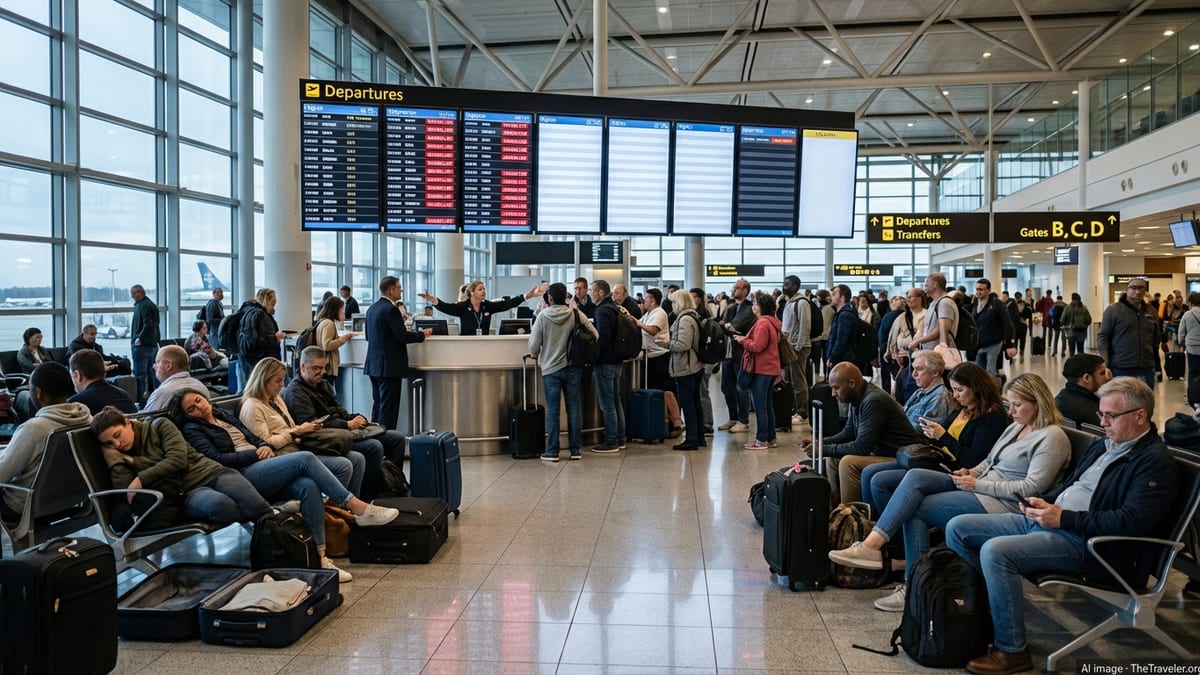
UAE-based airlines moved quickly to adjust schedules once news of the Abha attack emerged. Publicly available departure boards from Dubai International and Sharjah show that flights to Abha were among the first to be canceled on July 14, affecting passengers booked on both morning and late-afternoon services.
Reports from regional aviation desks indicate that at least two Dubai–Abha flights operated by a UAE low-cost carrier were scrubbed from Tuesday’s schedule, with further Saudi domestic connections also halted or delayed. Saudi carriers serving routes from Riyadh and Jeddah into Abha joined in suspending services, tightening the bottleneck for travelers relying on short-haul links between the kingdom and the Emirates.
Travel industry commentary suggests that many passengers were offered rebooking options via alternative Saudi airports such as Jeddah or Riyadh, though capacity on those routes remained constrained. Others were advised to postpone nonessential journeys or re-route via different Gulf hubs while airlines and airports assessed security and operational conditions.
Knock-On Effects For Pilgrims, Workers And Summer Tourists
The disruption is particularly sensitive given the high seasonal demand for travel between the UAE and Saudi Arabia. Abha serves domestic visitors heading to the cooler highlands as well as international travelers and expatriate workers transiting through Gulf hubs. With school holidays underway across much of the region, airlines had been operating near-peak loads on many routes.
Travel agents in the Gulf, speaking through industry forums and public advisories, reported a surge in inquiries from passengers concerned about upcoming trips to Saudi Arabia, including those planning religious visits and family reunions. Some agencies advised clients to allow extra time for potential re-routing and to monitor airline notifications closely, especially for flights touching Saudi airspace in the south.
For residents of the UAE working in Saudi Arabia’s southwestern provinces, the sudden loss of direct flights to Abha complicates routine commuting patterns. Many may now face longer travel days involving connections through Jeddah or Riyadh, road transfers across mountainous terrain, or short-notice changes to leave schedules while air links remain uncertain.
Airlines Reassess Routes Amid Elevated Security Concerns
The Abha incident comes against a wider backdrop of elevated risk to aviation in parts of the Middle East. In recent months, drone and missile activity linked to regional rivalries has prompted several airspace closures and temporary diversions, with airlines repeatedly adjusting overflight routes to avoid potential conflict zones.
Aviation experts commenting in regional media note that carriers operating between the UAE and Saudi Arabia typically route well north of Yemen when possible, reducing direct exposure to the country’s airspace. However, attacks on fixed infrastructure such as Abha Airport underscore that airports themselves can become focal points, forcing route planners and insurers to revisit safety assessments and contingency plans.
For now, publicly available flight-tracking data suggests that most services between the UAE and central or northern parts of Saudi Arabia are continuing, albeit with heightened monitoring and occasional delays. The situation around Abha remains fluid, with airlines expected to make day-by-day decisions on restoring operations based on damage assessments and changes in the security picture.
What Travelers Between UAE And Saudi Arabia Should Expect
Passenger advocates and travel advisors are urging anyone booked on UAE–Saudi routes in the coming days to check their flight status frequently and to remain flexible with itineraries. Same-day cancellations and schedule changes are likely to remain a possibility for services touching airports in Saudi Arabia’s south, particularly Abha.
Travelers are being encouraged, through airline and airport advisories, to ensure that contact details are updated in booking profiles so that carriers can send real-time notifications of disruptions or rebookings. Those with tight onward connections through Gulf hubs may wish to explore earlier departure options or alternative routings to build extra buffer time into their journeys.
Industry observers say that any sustained closure of Abha would not only inconvenience travelers but could also place additional strain on other Saudi airports and on Gulf transit hubs such as Dubai and Abu Dhabi. As airlines balance safety considerations with passenger demand, the Abha attack is likely to feed into a broader recalibration of regional flight planning for the remainder of the summer travel period.