


More news on this day
Missile and drone attacks on Saudi Arabia’s Abha International Airport have triggered a new wave of flight cancellations and route suspensions across the Gulf, disrupting travel links between Saudi Arabia and the United Arab Emirates and deepening concerns over aviation security in a region still reeling from earlier airspace crises.
Get the latest news straight to your inbox!
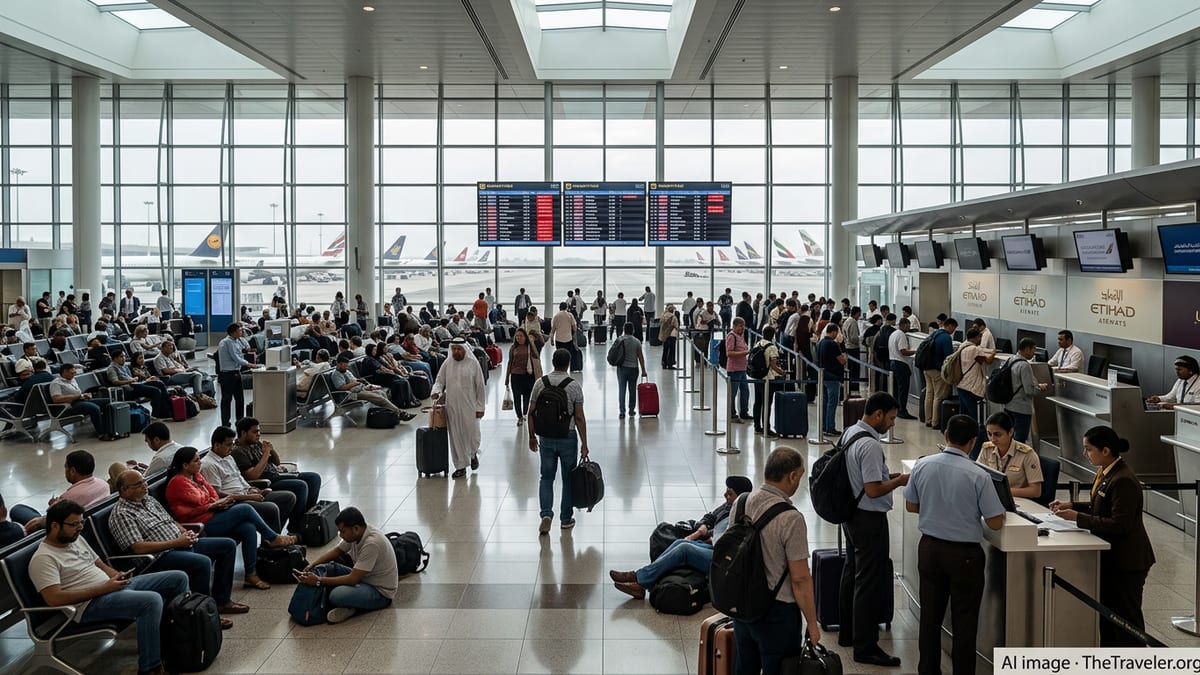
Missile and Drone Strike Shuts Key Saudi Regional Hub
Publicly available reports indicate that Yemen’s Houthi movement carried out a coordinated missile and drone strike on Abha International Airport in southern Saudi Arabia on Monday, July 13, targeting the busy regional hub that links the kingdom’s southwest to major cities in the Gulf. Imagery and footage carried by regional media showed explosions on or near the airfield, with early indications of damage to airport infrastructure.
Initial information from Saudi and regional outlets suggests that flight operations at Abha were temporarily halted as emergency protocols were activated and passengers moved away from affected areas. Live flight boards and tracking data for July 13 and July 14 show clusters of cancellations and delays on routes serving the airport, including services from Saudi carriers and international airlines.
The attack marks a sharp escalation in a long‑running pattern of cross‑border strikes against infrastructure in southern Saudi Arabia. Abha has previously been targeted in earlier rounds of the Yemen conflict, but the latest incident comes at a time when Gulf aviation is already under strain from broader regional missile and drone activity and intermittent airspace closures.
While full damage assessments have not yet been published, early indications are that at least part of Abha’s runway and operating areas were affected, forcing airlines and civil aviation authorities to rapidly reassess the safety of continuing commercial services into the airport.
flydubai, Air Arabia and Saudia Cancel and Curtail Services
In the hours following the strike, Gulf carriers began adjusting their schedules. Flight information made available by Dubai Airports and Sharjah’s aviation authorities on Tuesday, July 14, shows multiple cancellations on services linking the United Arab Emirates to Abha, as well as domestic Saudi flights into the airport.
Khaleej-based coverage notes that flydubai cancelled at least two flights from Dubai International Airport’s Terminal 2 to Abha on Tuesday, effectively suspending its Dubai–Abha operations for the day as the security situation and infrastructure impact were reviewed. The airline’s real‑time status page showed Abha services listed as cancelled, with passengers advised to check updated information before travelling to the airport.
Sharjah-based low‑cost carrier Air Arabia also scrubbed flights on the Abha route. Schedules for July 14 indicate that Air Arabia’s Abha–Sharjah rotation, which had been due to depart in the afternoon, was cancelled, removing one of the key low‑cost links between the southern Saudi city and the UAE. The carrier has previously been among the most active airlines on secondary Gulf city pairs, making these cancellations particularly disruptive for price‑sensitive travellers.
Saudi flag carrier Saudia, along with sister budget operator flyadeal, has likewise trimmed flight activity at Abha. Departures data compiled from airport information boards and independent flight-tracking platforms show several Saudia and flyadeal services from the airport cancelled or delayed across Monday evening and Tuesday, as the airline group adjusted schedules and examined alternative routing options within its domestic network.
Travellers Face Disruptions Across Saudi–UAE Corridors
The sudden cancellations at Abha come as Gulf travellers are already navigating a complex web of schedule changes and reroutings linked to missile and drone risks elsewhere in the region. Over recent months, carriers across the Middle East have periodically rerouted or suspended flights in response to strikes and airspace warnings affecting hubs such as Dubai and Kuwait, as well as military facilities in Saudi Arabia.
For passengers using Abha as a gateway to the mountainous Asir region or as a connection point to Riyadh, Jeddah and UAE cities, the immediate impact is a thinning of options. With flydubai and Air Arabia cutting services and Saudia trimming frequencies, many travellers are left to piece together alternative journeys via larger hubs such as Riyadh or Jeddah, often involving longer travel times and potential overnight stays.
Online travel platforms tracking Abha schedules show a noticeable drop in available seats to and from the airport for the coming days, particularly on point‑to‑point links with Dubai and Sharjah. Travel agents in the Gulf are reporting a rise in rebooking requests as passengers seek to move to flights that route through less exposed airports or to postpone trips entirely until more clarity emerges about the security outlook.
The disruption is particularly unwelcome during the peak summer travel period, when Gulf residents typically travel to cooler destinations or domestic mountain resorts. With hotel bookings in and around Abha and the Asir highlands already in place for many travellers, the immediate logistical challenge is finding replacement flights that avoid newly affected corridors while still keeping vacation plans largely intact.
New Pressure on Gulf Aviation Security and Risk Models
The Abha strike underscores the vulnerability of regional airports to long‑range missile and drone attacks, even when they are located far from front‑line conflict zones. Aviation analysts in open commentary have stressed that commercial airports, with their concentration of aircraft and passengers, present particularly sensitive targets, forcing authorities and airlines to constantly refine air defense coordination and operational risk assessments.
Earlier in 2026, a series of missile and drone salvos tied to the wider Iran conflict prompted several Gulf hubs to temporarily suspend operations, divert flights and harden security protocols. Dubai International Airport, Kuwait International Airport and other regional gateways have all experienced brief shutdowns or near‑miss incidents, prompting operators to invest in enhanced radar coverage, improved communication channels and more detailed contingency plans for rapid traffic suspensions.
Against that backdrop, the Abha incident is likely to intensify scrutiny of how airlines evaluate operating into smaller regional airports that may have less extensive defensive systems or redundancy in runway and terminal infrastructure. Route planners and risk managers are expected to weigh the commercial importance of serving secondary cities against the increased complexity of flying into areas that could be targeted in retaliation for broader military operations.
Insurers and lessors are also closely watching developments, with some already adjusting war‑risk premiums for aircraft based or regularly operating in exposed airspace. Any further escalation around Abha or additional strikes on Gulf aviation assets could translate into higher operating costs and, ultimately, higher fares on certain routes.
What Passengers Flying Between Saudi Arabia and the UAE Should Expect
For travellers booked on near‑term flights between Saudi Arabia and the UAE, particularly those involving Abha, industry guidance points to one key step: monitor flight status frequently and be prepared for short‑notice changes. Airline websites and mobile apps across the region have been updated more frequently than usual in recent days as carriers rework schedules around security developments.
Passengers whose flights have been cancelled are generally being offered rebooking on alternative dates or rerouting via other Saudi cities, subject to seat availability. However, with multiple carriers reducing frequencies at the same time, options may be limited on peak days, and some travellers are reporting longer connection times or overnight layovers.
Travel advisors suggest allowing extra time for security procedures at Gulf airports and remaining flexible on departure times and routings. Travellers connecting through Dubai or other UAE hubs may also see minor schedule adjustments as airlines rebalance aircraft and crews that would normally rotate through Abha and similar regional destinations.
For the wider Gulf aviation sector, the Abha airport attack reinforces a shifting landscape in which geopolitical risk is now a central factor in network planning. As airlines such as flydubai, Air Arabia and Saudia adapt to the latest security shock, passengers can expect a period of continued volatility on certain cross‑border routes, even as the region works to keep its crucial air links open.