


More news on this day
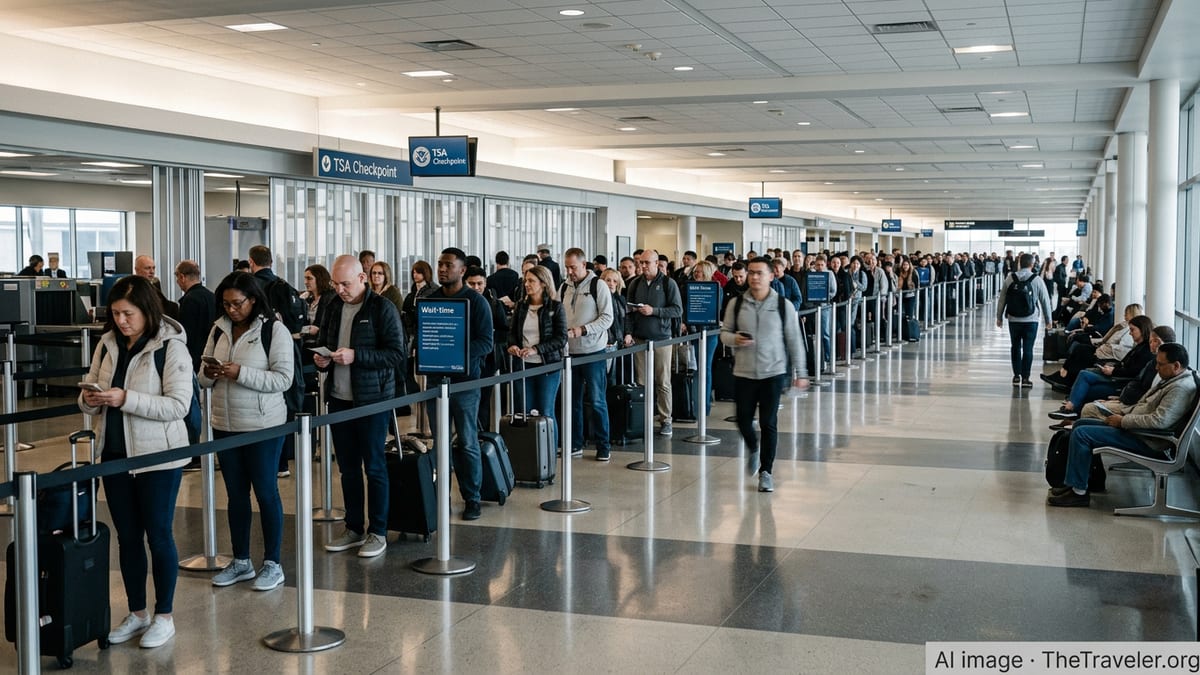
Germany and Switzerland are tightening their messages to travelers as long airport queues, recurrent flight delays and the rollout of new biometric border checks combine to create one of Europe’s most challenging summer travel seasons in years.
Get the latest news straight to your inbox!
Joint Concerns Over Border Delays and Biometric Systems
Publicly available information from European and national sources shows that Germany and Switzerland are aligning their messaging as pressure mounts across the Schengen area over the European Union’s new Entry/Exit System, or EES. The system, designed to record the biometric data and border crossings of non-EU nationals, is now in full operation at Germany’s external air borders and being expanded at key hubs used by travelers heading to or transiting through Switzerland.
Recent coverage on European policy developments indicates that Germany and Switzerland joined a group of nine countries calling on EU institutions to keep emergency safeguards in place to ease EES-related border checks beyond early September 2026. Their appeal follows reports of queues stretching for hours at some external Schengen borders, as airports and carriers struggle to match staffing and infrastructure with the longer processing times required for biometric registration.
National-level guidance in Germany describes EES as a cornerstone of the EU’s digital border regime, capturing facial images and fingerprints, along with time and place of entry and exit for many third-country travelers. While the long-term intention is to speed up checks and close overstaying loopholes, the early implementation phase has created visible congestion at busy hubs, including those most popular with long-haul visitors from North America and Asia.
Switzerland, which participates in the Schengen system, has similarly updated its travel information, emphasizing that new digital control processes will change the experience for many arriving passengers. Zurich and Geneva, the country’s main gateways, now sit at the forefront of the shift toward integrated biometric checks, with authorities simultaneously trying to maintain capacity at traditional counters for families, older travelers and those unable to use e-gates.
Airport Queues and Flight Disruption at Major Hubs
Across Germany’s largest airports, particularly Frankfurt and Munich, travelers have reported sharply longer waits at border control since the wider activation of biometric systems for non-EU passport holders. Online travel forums and consumer reporting highlight transfer passengers missing connections after queuing for well over an hour for passport checks, even when security screening itself has run relatively smoothly.
Industry bodies representing airlines and airports have issued public warnings that chronic understaffing at some border checkpoints, combined with the time required to capture and verify biometric data, is pushing already tight connection windows beyond their limits. Joint statements from aviation organizations in late June pointed to instances where border delays of up to five hours have disrupted flight schedules, creating knock-on effects across the network as aircraft depart late to wait for inbound passengers stuck in queues.
In Switzerland, coverage from national media has focused on holiday peaks such as Whit Monday, when Zurich Airport recorded tens of thousands of departing passengers in a single day. Passenger numbers around long weekends and the main summer exodus in July and August are now regularly approaching or surpassing pre-pandemic levels, but staffing and infrastructure are still being recalibrated to the demands of biometric checks and a more fragmented mix of short- and long-haul traffic.
Combined with seasonal thunderstorms, airspace bottlenecks and tight turnarounds, the increase in processing times has contributed to a rise in delayed and re-booked flights across the region. While most airlines are maintaining published schedules, their ability to recover from disruption has narrowed, making missed connections and extended layovers more likely for travelers who have not built extra margin into their itineraries.
Biometric Checks: What Is Changing for Travelers
The EES and related digital border initiatives are reshaping how passengers move through German and Swiss airports, especially those holding non-EU or non-Swiss passports. Under the new rules, many travelers from countries such as the United States, Canada, the United Kingdom and parts of Asia now undergo biometric registration on first entry, involving the capture of facial images and, in certain cases, fingerprints at dedicated kiosks or staffed counters.
German federal police guidance describes EES as an automated system that records each entry and exit of affected travelers, replacing the traditional physical passport stamp. Once initial registration is completed, subsequent crossings should in theory be faster, but during the ramp-up phase authorities acknowledge that equipment availability, passenger unfamiliarity and data capture can all add minutes to each interaction.
In parallel, Germany is expanding the EasyPASS automated border control program, allowing eligible travelers to use e-gates for passport checks. Updated information indicates that this now includes certain non-EU nationals registered in advance through a frequent traveler program, potentially offering an alternative route for those facing long manual queues. Switzerland is continuing to deploy similar automated gates at its major airports, although take-up remains constrained by age restrictions, passport requirements and the need for travelers to approach the lanes with documents ready.
EU-level initiatives such as the forthcoming ETIAS travel authorization for visa-exempt visitors are also feeding into traveler concerns. While ETIAS has not yet fully entered into force, policy documents published in 2026 confirm that it will sit alongside EES as another digital requirement, reinforcing the sense that border formalities for Europe-bound tourists are entering a more complex and data-driven era.
Germany–Switzerland Coordination and Regional Context
Germany and Switzerland are not acting in isolation. Their coordinated advisory messaging is unfolding within a wider European debate about how to balance security, data collection and the smooth functioning of the Schengen area. Public letters and policy reports released in Brussels in recent weeks underline that multiple member and associated states are worried about the reputational impact of visible border chaos on tourism and business travel.
Documents from European institutions outline that Germany has, at times, reintroduced temporary internal border controls with neighboring countries, including Switzerland, citing pressures on migration systems and public order. Switzerland has also applied temporary checks around specific high-profile events, such as international summits. While these measures are limited in scope and duration, they can add another layer of unpredictability for travelers crossing what are normally open land borders or connecting via intra-Schengen flights.
At the same time, the European Commission’s recent State of Schengen report emphasizes the importance of pre-registration tools, mobile applications and smarter queuing strategies to mitigate the impact of EES at busy crossing points. Germany and Switzerland are both referenced in European-level material as active participants in these efforts, suggesting that more digital self-service options and clearer communication campaigns are likely in the months ahead.
However, industry responses argue that the pace of these mitigations has not kept up with demand. Airlines and airports across the region have urged EU and national authorities to accelerate staffing reinforcements, provide more flexible rules for suspending biometric capture during surges, and invest in additional kiosks and e-gates at pinch-points such as major hub transfer corridors.
How Travelers Can Prepare for Their Big Journey
With the peak summer getaway underway, publicly available advisories from German and Swiss authorities, as well as guidance from airlines and airports, converge on a simple message: travelers need to plan for longer on-the-ground processes than they may have experienced in previous years. For those connecting through Frankfurt, Munich, Zurich or Geneva, this starts with booking longer minimum connection times, particularly when switching from non-Schengen long-haul flights to intra-European services.
Experts routinely recommend arriving at the airport earlier than the classic two-hour rule for short-haul and three hours for long-haul, especially for departures in the morning and late afternoon peaks. In the current environment, three hours for European flights and at least four hours for intercontinental departures from the region’s busiest hubs are increasingly being suggested in consumer reporting, particularly for families, groups and passengers who know they cannot use automated gates.
Travelers are also being advised to complete any available digital pre-registration steps well in advance, monitor terminal maps for the location of EES kiosks and e-gates, and keep boarding passes and passports ready before reaching control points. Those who are eligible for automated programs such as EasyPASS or other trusted traveler schemes may benefit from enrolling ahead of time, although such options vary by nationality and residence.
Finally, the emerging picture from Germany and Switzerland suggests that flexibility is now a key asset for anyone embarking on a major journey through the heart of Europe. Rebooking policies, travel insurance that covers missed connections due to border delays, and contingency plans for overnight stays have all become more relevant as EES, biometric checks and intermittent internal controls converge with traditional summer strains on the aviation system.