


More news on this day
Uganda is seeking renewed dialogue with the United States after a Level 4 “Do Not Travel” advisory was maintained for the country, a move that government figures and tourism stakeholders say risks undermining visitor numbers and wider economic recovery.
Get the latest news straight to your inbox!
Fresh Push After Advisory Reissued
Publicly available information from Uganda’s Parliament indicates that officials intend to intensify discussions with US counterparts following the country’s continued presence on the Level 4 list. A recent briefing to lawmakers described plans to keep “talking to the US over the travel advisory” after the warning was reaffirmed in early November 2026, grouping Uganda among a small number of destinations flagged as highest risk for American travelers.
Coverage in Ugandan media states that senior figures from the Ministry of Foreign Affairs have raised the advisory in recent meetings with US officials, alongside broader questions of bilateral cooperation and regional security. Reports indicate that Kampala wants clarity on the criteria being applied and on what steps would be necessary for the advisory to be reviewed.
The discussion comes after a series of updates by the US Department of State during 2025 and 2026 that elevated Uganda’s status to Level 4. Advisory notices cite security concerns, including crime and terrorism, as well as health risks associated with an Ebola outbreak in 2026 and ongoing human rights issues, particularly legislation targeting LGBTQ people.
Parliamentary records and local reporting present the initiative as part of a broader effort to manage the diplomatic fallout from those concerns without further damaging Uganda’s international image or its appeal as a regional tourism hub.
What a Level 4 Advisory Means
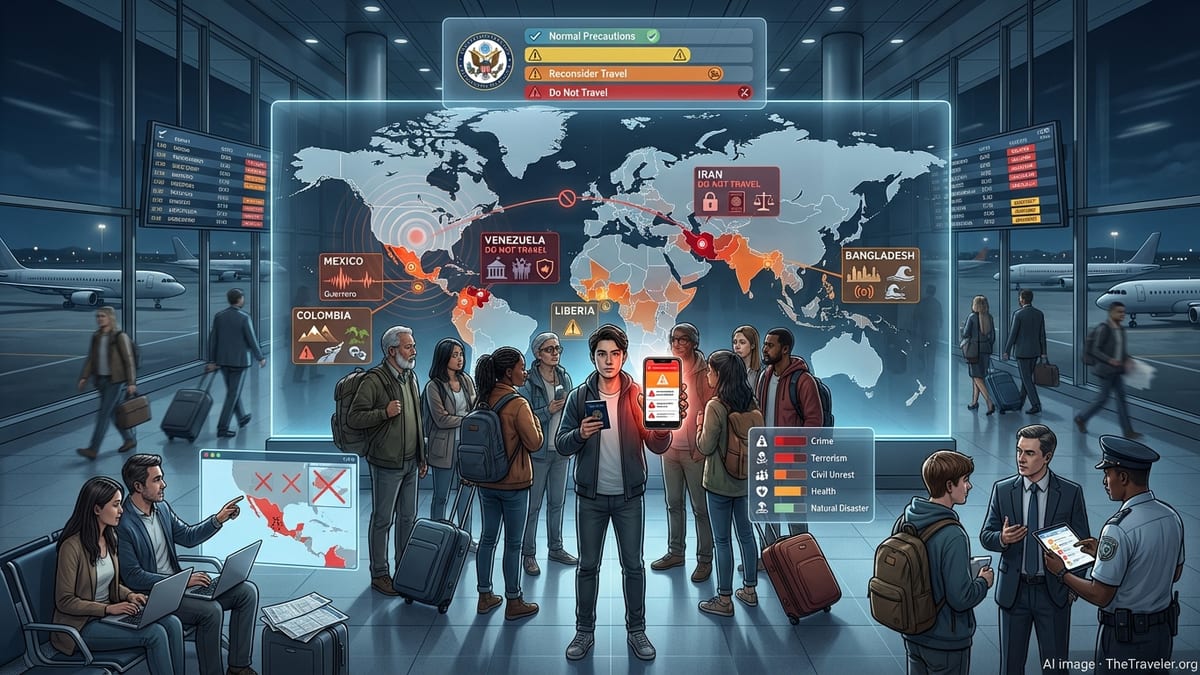
According to publicly available US consular guidance, a Level 4 advisory is the highest warning category and signals what the State Department describes as a greater likelihood of life‑threatening risks. For countries at this level, US citizens are advised not to travel, and those already present are encouraged to consider leaving when conditions permit.
For Uganda, the dedicated advisory page lists multiple risk factors, including crime, terrorism and unrest, along with health‑related issues linked to recent Ebola activity. The guidance also highlights legal risks for certain groups under Uganda’s current laws, including statutes adopted in 2023 that impose severe penalties related to same‑sex relations and restrict advocacy around LGBTQ rights.
Travel advisories are based on a combination of security assessments, health data and other indicators that US officials review on a rolling basis. While they do not impose legal bans on travel, they are widely referenced by airlines, insurance providers, universities and multinational firms when making decisions about trips, coverage or staff deployment.
Uganda is currently listed alongside higher‑profile global crises and conflict zones in the Level 4 category, a grouping that observers say can inadvertently shape international perceptions of the country even when day‑to‑day conditions may vary significantly between regions or sectors.
Tourism Sector Fears Lingering Damage
Tourism bodies in Uganda have expressed unease in local media about the potential long‑term effects of a prolonged Level 4 label. Uganda’s wildlife attractions, including gorilla trekking in Bwindi Impenetrable National Park and safaris in Queen Elizabeth and Murchison Falls national parks, draw high‑spending visitors whose itineraries are often planned many months in advance.
Industry commentary indicates that some US‑based tour operators have already revised or postponed Uganda itineraries since the advisory was raised, citing client concerns and insurance restrictions. Travel planning forums and operator communications suggest that several Americans have shifted upcoming trips toward neighboring countries that face lower advisory levels, particularly when their policies exclude coverage in Level 4 destinations.
Tourism contributed a significant share of Uganda’s pre‑pandemic export earnings, and officials have been promoting the country at international trade fairs in an attempt to rebuild arrivals. Stakeholders argue that a sustained perception of elevated risk could slow that recovery, particularly from long‑haul markets such as North America and Europe that place strong weight on official advisories.
Some regional analysts point out that advisory language can have an outsized effect on niche segments like luxury safaris and educational travel, where organizers often adhere to the most conservative risk assessments. This has prompted calls within Uganda for more targeted messaging to distinguish key tourism corridors from areas most affected by health or security alerts.
Health and Security Context Driving US Concerns
The latest advisory reflects a combination of public health and security issues that have emerged over several years. In 2026, Uganda was one of several countries in the Great Lakes region affected by Ebola, prompting tightened screening, localized movement restrictions and international alerts. While national and international health agencies reported progress in containing the outbreak, residual caution has persisted in official travel guidance.
Alongside health concerns, US reporting on global terrorism trends continues to flag threats linked to extremist groups operating in and around the Democratic Republic of Congo and across parts of East and Central Africa. Uganda’s security forces have carried out operations against such networks, and authorities have previously disrupted suspected plots targeting public spaces and religious sites, developments that are reflected in risk assessments used for travel advice.
Human rights conditions form another strand of US policy toward Uganda. After the 2023 Anti‑Homosexuality Act was enacted and largely upheld by Uganda’s Constitutional Court in 2024, Washington introduced a series of measures that included sanctions on some officials, the redirection of certain forms of development assistance and the publication of business and travel advisories highlighting the risks faced by LGBTQ people and those perceived as supporting them.
Analysts note that the convergence of health, security and legal concerns has made it harder for Uganda to secure a quick downgrade from Level 4. Even if the Ebola‑related justification eases over time, other elements such as terrorism risk and rights‑related legislation have become embedded in broader US policy debates about engagement with Kampala.
Diplomatic Options and Outlook for Travelers
Uganda’s renewed outreach to Washington is being framed in domestic debate as an attempt to separate technical risk assessments from wider political disagreements. Commentators in local outlets suggest that Kampala is likely to emphasize improvements in surveillance for Ebola and other infectious diseases, as well as cooperation on regional security operations, in arguing for a reassessment.
At the same time, published US policy documents signal that human rights benchmarks, including the treatment of LGBTQ people, remain an important factor in bilateral relations. Observers say that any comprehensive change in the advisory level is therefore likely to depend not only on epidemiological and security trends, but also on how both sides navigate ongoing tensions around governance and civil liberties.
For prospective visitors, the advisory means that travel to Uganda currently runs against US government recommendations, and many standard insurance products marketed in the United States exclude coverage in countries under a Level 4 warning. Travel planners advise would‑be visitors to monitor official updates closely, consult healthcare providers about vaccines and prophylaxis, and review the small print of any policy that might be affected by the advisory.
Despite the warning, recent traveler accounts and regional tour operators continue to describe busy lodge bookings and active safari seasons within Uganda, particularly in well‑known parks and along established tourism routes. How long that resilience can be sustained may depend in part on the outcome of the new round of talks that Uganda is now pursuing with the United States over the Level 4 designation.