


More news on this day
As cities search for cleaner, easier ways to move growing numbers of residents and visitors, the UITP Global Public Transport Summit is emerging as a bellwether for how future travel will look, from metro platforms to airport links and cruise terminals.
Get the latest news straight to your inbox!
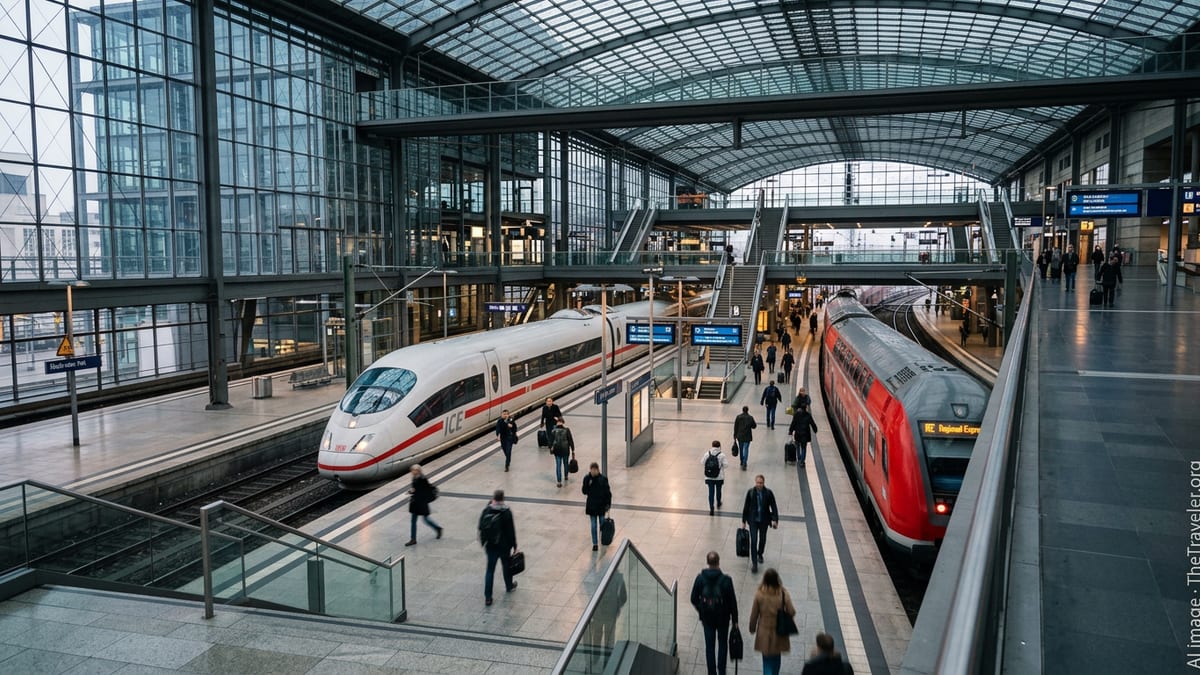
Hamburg summit showcases a new era for urban mobility
The 2025 UITP Global Public Transport Summit in Hamburg gathered transport operators, city representatives, industry suppliers and advocacy groups to examine how public transport can anchor more sustainable travel worldwide. Reports indicate that the event turned the northern German port city into a temporary capital for urban mobility discussions, drawing attention well beyond the traditional transport sector.
Publicly available information shows that the Hamburg edition focused on public transport as an engine for thriving cities, with sessions exploring climate action, economic development and liveability. For travel and tourism players, the emphasis on cleaner, higher capacity systems is closely linked to how visitors move between airports, rail stations, hotels and event venues in crowded city centers.
The summit also underlined how major events can serve as real-life laboratories for mobility management. Conference attendees, exhibitors and media added pressure to Hamburg’s existing networks, creating an opportunity to test everything from capacity planning to wayfinding and digital ticketing across buses, metro lines and regional rail.
According to published coverage, the gathering in Hamburg reinforced the role of integrated public transport in supporting urban tourism ambitions, with the host city positioning its own rail and bus networks as part of a broader offer that includes waterfront attractions, cultural districts and convention facilities.
Annual format and rotating hosts amplify global impact
Historically organised every two years, the UITP Summit is now moving to an annual rhythm, a change that is expected to increase its influence on both transport policy and the travel economy. UITP material indicates that from 2025 onwards, each year will see one city become the focal point for debates on buses, metros, trams, commuter rail and emerging on-demand services.
Hamburg and Dubai have been confirmed as upcoming hosts, followed by other cities that are being lined up for later editions. For destination marketing organisations and tourism authorities, securing the summit brings global exposure and a chance to showcase long-term investments in stations, interchanges and digital tools that can simplify visitor journeys.
The rotating host model also underscores how expectations are changing for major conference venues. Cities competing for the summit increasingly highlight walkability, high-frequency public transport and low-emission fleets, aligning with a wider view that successful business events should be reachable without relying on private cars or extensive taxi use.
Travel industry observers note that this shift supports a broader trend in which delegates and leisure travelers are weighing a destination’s mobility offer when choosing where to attend events or spend holidays, particularly as companies and individuals track the carbon footprint of their trips more closely.
Innovation on show: from digital ticketing to cleaner fleets
The UITP Summit has become a key showcase for technologies aimed at making public transport more attractive to both residents and visitors. Exhibitors in Hamburg presented digital platforms that integrate trip planning, payment and real-time information for multiple modes, reflecting a push toward seamless journeys across bus, rail, shared mobility and even airport connections.
Industry press reports highlight growing interest in contactless payments that allow riders to tap bank cards or mobile devices instead of buying separate tickets. For international travelers, these systems can reduce friction on arrival, eliminating the need to navigate unfamiliar ticket machines or fare tables before boarding a metro or tram.
Vehicle innovation is another focus. Companies presented electric and hydrogen-powered buses, upgraded metro and tram cars, and components designed to improve accessibility, such as low-floor entrances and better information displays. These upgrades are increasingly framed not only as environmental improvements but also as ways to make public transport more comfortable and intuitive for visitors unfamiliar with local languages or networks.
For urban destinations that depend heavily on tourism, such technologies can help spread visitor flows beyond traditional hotspots by making it easier and more pleasant to reach outlying neighborhoods, cultural sites and nature areas using public transport instead of private vehicles or tour coaches.
World Public Transport Day adds a new focal point for cities
Following the Hamburg summit, UITP announced plans for an annual World Public Transport Day, set for 17 April, to celebrate and promote transit systems worldwide. According to UITP communications and subsequent public discussion, the initiative is intended to highlight how buses, trams, metros and commuter trains contribute to cleaner air, safer streets and more inclusive access to jobs and services.
For city and regional authorities, the new date creates a focal point for campaigns, open days and promotional fares that can encourage residents and tourists to try public transport. Travel industry analysts suggest that destinations may use the occasion to launch new routes, present station upgrades or showcase rail links to airports and cruise terminals.
In practical terms, the day is likely to be used to test ideas such as car-free zones, extended operating hours or integrated ticket offers that combine cultural attractions with transit passes. These experiments can provide data on how pricing and service changes influence ridership, including among visitors who might otherwise choose taxis or private transfers.
The global nature of the observance could also encourage cities to exchange best practices on communicating with tourists, from multilingual signage and apps to user-friendly station layouts, making public transport a more visible part of the travel experience year-round.
Dubai prepares to take the baton for the 2026 edition
Attention is now turning to Dubai, which is preparing to host the next UITP Summit in 2026. Publicly released programme details describe an agenda that builds on Hamburg’s focus while highlighting the Gulf city’s rapid expansion of metro, tram and bus networks, alongside large-scale investments in automated and connected mobility.
Dubai’s role as a major aviation hub means the summit is expected to place particular emphasis on the interface between long-haul air travel and local public transport. Observers anticipate close scrutiny of airport rail links, express bus services and first-and-last-mile connections that can help reduce congestion around terminals and major hotels.
The 2026 gathering also offers a platform for discussions about mobility in hot-weather cities and how climate adaptation measures can shape station design, waiting areas and vehicle interiors. These questions have direct implications for visitor comfort and the attractiveness of public transport during peak tourism seasons.
Looking further ahead, reports on future host city shortlists suggest growing competition among destinations to be associated with the summit. For travelers, that competition may translate into faster improvements in public transport quality, reliability and ease of use, as cities seek to demonstrate that their networks are ready to welcome both residents and global visitors.