


More news on this day
Orlando International Airport is under scrutiny after hundreds of international passengers reported being held for more than five hours waiting for luggage and warned they could face arrest if they attempted to leave without their checked bags.
Get the latest news straight to your inbox!
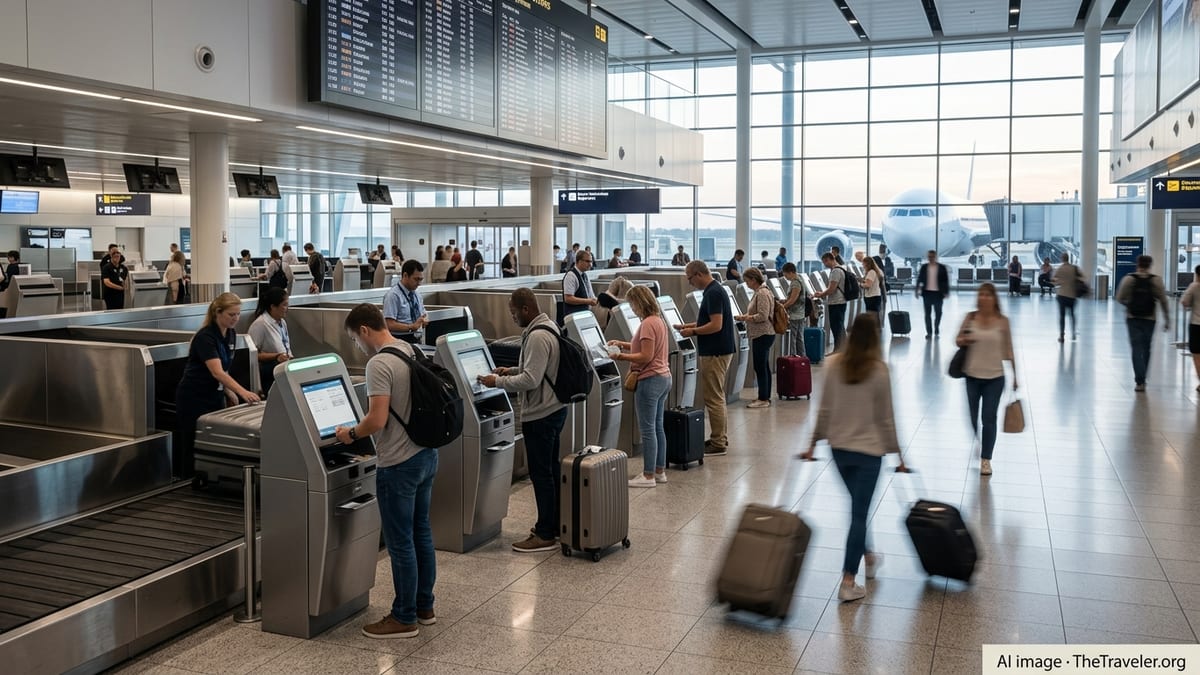
Hours-long baggage delay leaves travelers stranded
Published coverage indicates that the disruption unfolded on the evening of June 27, 2026, when several Virgin Atlantic flights arrived at Orlando International Airport following severe weather in Central Florida. Nearly 1,000 passengers arriving from overseas were directed into the federal inspection and baggage claim area, where they expected to collect their checked bags and proceed through customs.
Instead, travelers reported that their luggage failed to appear on the carousel for hours. Accounts compiled by local and national outlets describe families lying on the floor, children sleeping on suitcases, and long lines snaking through the arrivals hall as the backlog grew. Some passengers described having already spent many hours in transit before encountering the blockage at Orlando, compounding fatigue and frustration.
Reports indicate that passengers were initially told the delay was linked to “adverse weather” and staffing constraints affecting ground operations. As the evening wore on, estimates of a short delay gave way to waits exceeding five hours for some travelers, with baggage carts and handlers struggling to clear the volume of bags from multiple long-haul flights.
By around midnight, the international arrivals area remained crowded, with an estimated hundreds of people still waiting for luggage. Witnesses cited in online posts and media coverage described medical personnel responding after at least one person collapsed in the packed hall, highlighting the strain on older travelers and families with small children.
Passengers report threats of arrest if they left without bags
What turned a severe operational disruption into a wider controversy were passenger claims that they were warned they could face arrest if they attempted to leave the customs area without their checked luggage. Multiple accounts posted online and summarized in published articles state that announcements and staff instructions told travelers they were not allowed to exit without their bags and risked being detained if they tried.
According to these reports, some passengers asked to leave the controlled area and have their bags forwarded later, as is common when luggage is delayed or misrouted. They were allegedly informed that, because they had not yet been reunited with their checked items, they were required to remain inside the international arrivals zone, with one widely shared account describing the situation as being “held against our will.”
Coverage from travel and consumer outlets describes a tense atmosphere as the night progressed, with long queues, limited seating and few amenities in the secure area. Passengers recounted feeling trapped, with some claiming that the threat of arrest left them afraid to step away from the baggage hall even when they needed to rest or seek medical attention.
The reported warnings have raised questions among travelers and aviation observers about how far airport and airline personnel can go in instructing passengers to remain in place once they have cleared immigration formalities, especially in situations where delays stem from operational problems rather than security incidents.
Airport, airline and customs roles under renewed scrutiny
Publicly available information suggests that several entities were involved in the events of June 27, including Orlando International Airport, Virgin Atlantic and federal customs officials. Airports typically oversee facilities and coordination, airlines handle ground operations and baggage delivery, and government agencies control border and security procedures in international arrivals zones.
Reports indicate that weather-related disruptions earlier in the day strained ground handling capacity, contributing to the backlog of luggage arriving from inbound flights. Virgin Atlantic reportedly contacted affected passengers afterward to address the disruption, including references to reimbursement for snacks and incidental expenses, although travelers pointed out that few or no food outlets were accessible within the confined customs area that night.
Airport statements cited in local coverage have emphasized the impact of severe storms on baggage operations and broader airport activity. However, available reporting does not indicate a detailed public explanation of how communications about potential arrest were handled, or whether those messages originated from local law enforcement, airport staff, airline contractors or federal personnel working in the customs hall.
Aviation analysts note that international arrival areas operate under a complex blend of airport, airline and government authority. Security and customs requirements can limit where passengers are allowed to go before they are cleared into the public side of the terminal, while airlines remain responsible for reuniting travelers with their checked luggage. The Orlando episode has brought renewed attention to how that shared responsibility functions when operations break down.
Legal and passenger-rights questions emerge
The reports of potential arrest for leaving without luggage have prompted debate among legal commentators and passenger-rights advocates about the boundaries of airport authority inside restricted zones. While law enforcement can detain individuals under specific circumstances related to security or immigration, observers note that extended restrictions stemming from baggage delays occupy a gray area that is rarely tested in public.
Consumer advocates point out that international passengers may feel especially vulnerable after long-haul flights, with limited understanding of local laws and few immediate options if they believe instructions are unreasonable. In this case, several passengers said they felt they had no choice but to remain in the crowded hall for hours, worried that departing without explicit permission could lead to serious consequences.
Travel-industry analysts also highlight the distinction between operational inconvenience and legal authority. According to public commentary, it is common for airlines to deliver delayed bags directly to passengers’ homes or hotels when luggage is left behind or misrouted. Against that backdrop, the Orlando incident has raised questions about why travelers could not be formally documented and released, with their bags forwarded later under standard procedures.
The episode is likely to factor into broader discussions about passenger protections during disruptions, particularly in the United States, where rules governing delays and mishandled baggage are narrower than in some other regions. Advocacy groups are already pointing to the Orlando case as an example of the need for clearer standards on how long travelers can be required to remain in restricted airport areas when problems stem from airline or ground-handling delays.
Broader implications for summer travel resilience
The Orlando disruption comes at the start of a busy summer travel period, with airlines forecasting high passenger volumes and airports working to avoid the cascading delays and baggage issues seen in recent years. Industry reports have repeatedly flagged staffing challenges in ground handling and security screening, factors that can quickly translate into long waits at baggage carousels when weather or scheduling problems ripple through the system.
Travel experts note that international arrivals are particularly vulnerable to bottlenecks, since passengers must collect their bags before clearing customs and are often funneled into confined areas with limited seating and amenities. When delays stretch beyond a few hours, the lack of food, water and rest facilities can turn an operational problem into a health and safety concern, especially for families with children, older travelers and people with disabilities.
The Orlando incident has already attracted attention across social media and in travel-focused publications, with many commentators warning that similar cases may arise if airlines and airports do not reinforce contingency plans for extreme delays. Suggestions include pre-arranged procedures for documenting and releasing passengers whose bags are significantly delayed, clearer communication about rights and options, and better access to medical care and basic services inside restricted zones.
As investigations and internal reviews proceed, observers say the episode will likely serve as a test case for how major U.S. airports manage the intersection of security, operations and customer care when things go wrong. For the passengers who spent much of the night trapped in Orlando’s international arrivals hall, the experience has become a cautionary tale about the hidden vulnerabilities of global air travel when a simple baggage delay escalates into a threat of arrest.