


More news on this day
A British heritage railway has suspended steam-hauled services after a lineside fire was linked to one of its locomotives, intensifying industry-wide scrutiny of how preserved lines manage rising wildfire risks in increasingly hot, dry summers.
Get the latest news straight to your inbox!
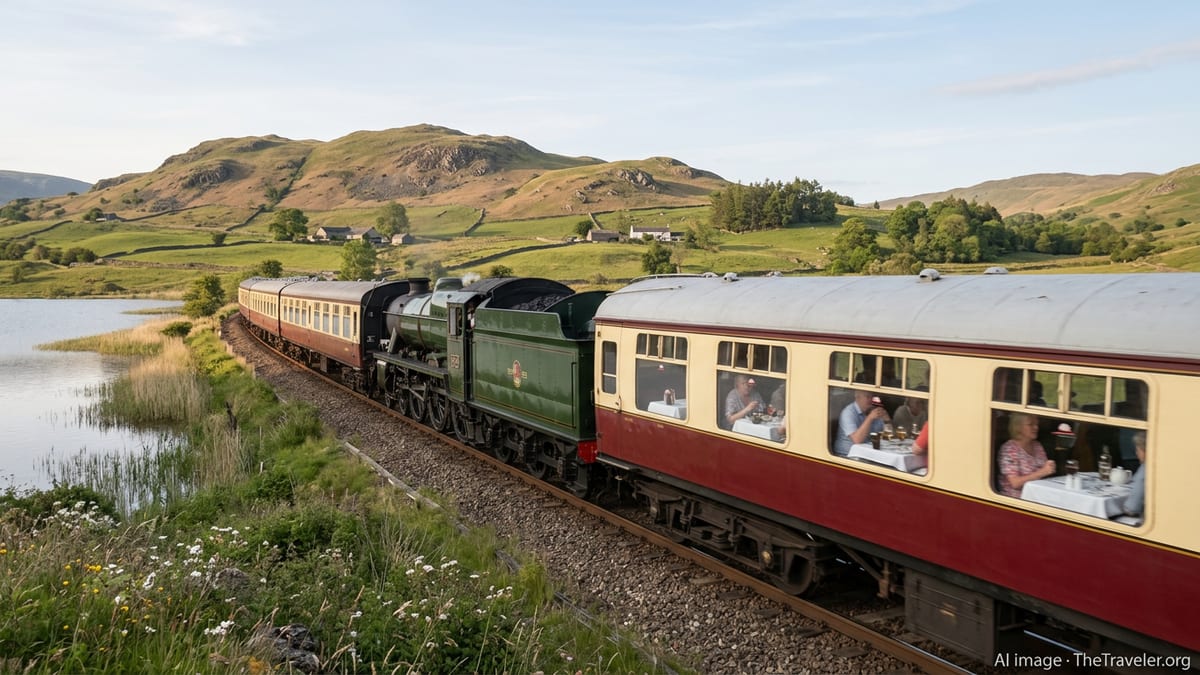
Incident prompts temporary withdrawal of steam trains
Reports indicate that the unnamed heritage line halted steam operations after a fire was recorded along the route and subsequently associated with cinders or sparks from a passing locomotive. Publicly available incident logs from local fire services describe multiple lineside fires within a short time frame, all occurring adjacent to the railway and in periods of very dry weather.
According to published coverage in regional media, the railway has switched to diesel traction or reduced its timetable while investigations continue into how the blaze started and whether additional mitigation measures are required. The suspension is described as precautionary rather than permanent, but there is no firm date yet for the return of regular steam services.
The decision reflects the delicate balance heritage railways must strike between preserving authentic steam operations and responding to heightened environmental risks. Even relatively small vegetation fires can disrupt services, damage infrastructure and require emergency response in rural areas where resources may be stretched.
Growing pattern of steam restrictions across the network
The latest suspension comes amid a wider pattern of restrictions on steam in Britain during periods of high fire risk. Reports from specialist railway publications show that several preserved lines have either switched temporarily to heritage diesel traction or reduced operations altogether in response to prolonged heat and low rainfall.
Recent coverage of the Gloucestershire Warwickshire Steam Railway and Severn Valley Railway describes how those lines have implemented short-term bans on steam locomotives at times of extreme heat or after clusters of lineside fires. In some cases, timetables have been maintained by substituting diesel locomotives, while in others all services have been paused for several days.
Elsewhere, media in East Hampshire have reported that the Watercress Line has also limited steam on certain days to reduce wildfire risk during the current dry spell. On the main line, operational notices from Network Rail have on occasion restricted or prohibited steam charters in specific regions following significant vegetation fires attributed to passing steam-hauled specials.
Wildfire risk reshapes heritage railway operating plans
The suspension underlines how climate conditions are reshaping operating practices on Britain’s heritage railways. Publicly available statements from several lines highlight concerns that extended dry periods, higher summer temperatures and stronger winds are combining to create more volatile conditions along rural embankments.
In response, some railways have introduced fire patrol vehicles following steam services, equipped with pumps and hoses to tackle small blazes before they spread. Others have issued advance warnings to visitors that traction may change at short notice from steam to diesel if local fire danger ratings rise on the day of travel.
Risk assessments published by heritage operators and local authorities increasingly refer to vegetation management, ash disposal procedures and the positioning of firefighting equipment along routes. For volunteer-run lines, the challenge is to fund and staff these precautionary measures while maintaining the appeal of steam locomotives that attract many visitors in the first place.
Balancing visitor expectations with safety and conservation
The latest suspension has prompted a wave of discussion among enthusiasts and local communities about what visitors can realistically expect as summers become hotter and drier. Commentaries across enthusiast forums and regional newspapers suggest that some passengers are disappointed when long-planned steam rides are replaced by diesel traction at short notice, even when this is clearly described as a safety measure.
Heritage railway commentators note that many preserved lines now stress the conditional nature of advertised steam services, explaining that locomotive choice can change on the day in response to weather or operational constraints. This approach is intended to manage expectations while still marketing the unique atmosphere and history that steam locomotives represent.
Environmental groups and local councils, meanwhile, have highlighted the importance of preventing further wildfires in sensitive landscapes, particularly in upland or heathland areas where recovery from fires is slow. For some communities, the preserved railway is both a tourism asset and a potential ignition source, making transparent decision-making on fire safety a central part of maintaining public support.
Short-term disruption, long-term questions for steam operations
While the immediate impact of the suspension is limited to timetable changes and the temporary absence of steam-hauled trains, the incident adds to a series of similar decisions that are prompting long-term questions about the future of steam in midsummer.
Industry observers point out that many heritage lines are already adapting by concentrating steam operations in shoulder seasons when fire risk is lower, while relying more on diesel traction or reduced services during peak heat. Others are investing in improved spark arrestors, enhanced ash handling and more intensive vegetation clearance along embankments.
For now, reports suggest that the affected railway intends to resume steam services once conditions improve and any additional safeguards are in place. The broader trend, however, indicates that suspensions of this kind may become a recurring feature of the summer calendar, as heritage railways across the UK attempt to preserve the spectacle of steam within an increasingly challenging climate context.