


More news on this day
The United Kingdom has issued a strengthened travel advisory for Turkey, urging British tourists to remain highly vigilant in major cities, transport hubs and popular coastal resorts as security concerns linked to terrorism and regional instability intensify in 2026.
Get the latest news straight to your inbox!
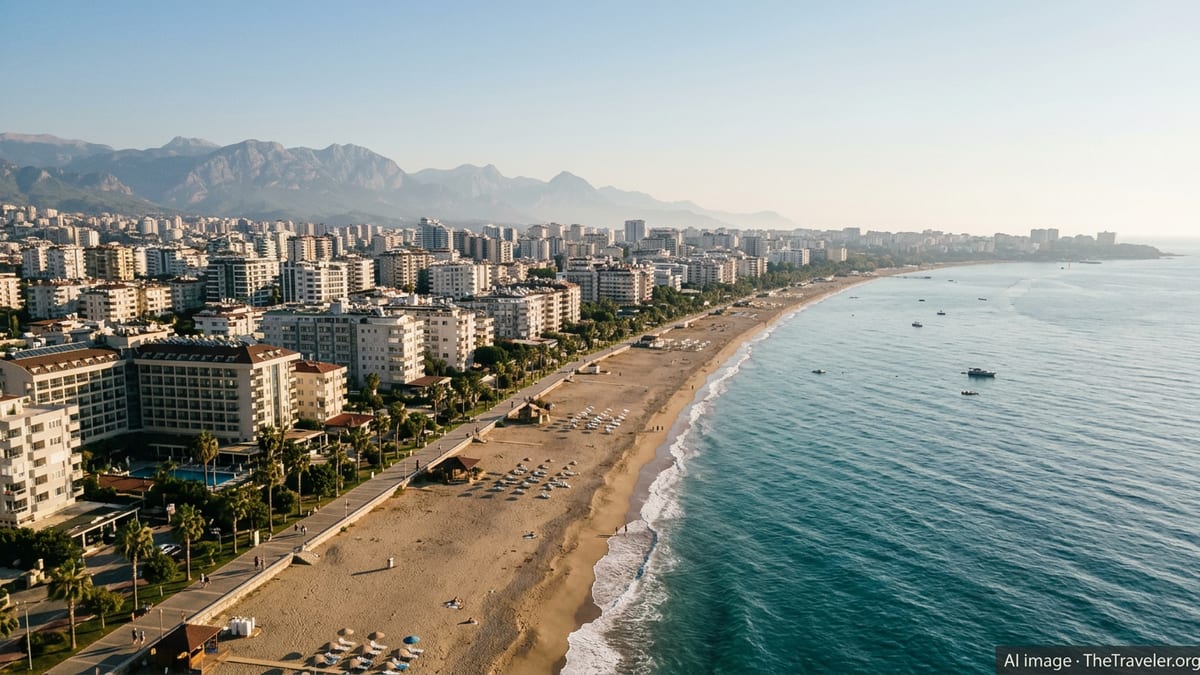
Heightened Warnings Target Terrorism and Regional Volatility
Updated guidance from the UK’s Foreign, Commonwealth and Development Office highlights what it describes as a persistent and unpredictable terrorism risk in Turkey, with particular concern for crowded public places and locations popular with foreign visitors. Publicly available advisories point to the potential for attacks with little or no warning, including in urban centres and tourist districts that have historically drawn large numbers of UK holidaymakers.
The tighter messaging follows a series of regional security flashpoints and incidents that have kept Turkey under close scrutiny. International reporting in early 2026 drew attention to an attack on the Israeli consulate in Istanbul and renewed warnings from several governments that militant groups retain both intent and capability to strike symbolic or crowded targets. Analysts note that high-profile diplomatic sites, religious venues and busy nightlife zones are likely to remain under particular watch by security services.
In its latest summaries, the UK advice stresses that terrorists could target transport hubs, markets, shopping centres, hotels and entertainment areas, echoing language used by other Western governments in their own Turkey guidance. While most trips to the country continue to pass without serious incident, the recurring references to terrorism underscore a view that the threat environment remains elevated across parts of Turkey’s major cities.
Border Regions Classified as High Risk While Resorts Remain Open
Publicly available UK government material continues to draw a sharp distinction between Turkey’s volatile border regions and its main holiday hotspots. The advisory maintains firm recommendations against all travel to specific areas near the Syrian frontier, citing the risk of spillover from conflict, terrorism and cross-border instability. Some districts in the southeast are also subject to warnings against all but essential travel, reflecting concerns about sporadic violence and security operations.
By contrast, leading Mediterranean and Aegean resort zones, along with Istanbul and central destinations such as Cappadocia, remain open to leisure travel, albeit under advice to exercise heightened awareness. Coverage in specialist travel and security publications notes that these areas are widely treated as lower risk in comparative terms, but not insulated from the broader terrorism picture affecting Turkey and the wider region.
For UK tourists, this split picture means holidays in coastal resorts are still viable in summer 2026, yet come with more pointed reminders about personal security. Travellers are being encouraged to keep clear of proscribed provinces and to avoid overland journeys that might inadvertently pass through or near no-go zones. Insurance specialists also highlight that ignoring regional restrictions could affect the validity of some travel policies.
Practical Advice for Tourists in Cities and Tourist Hubs
Beyond the geographic warnings, the latest advisory language places strong emphasis on behaviour in crowded or high-profile locations. Tourists are urged, in publicly available guidance, to remain alert in busy streets, transport interchanges, large shopping centres, stadiums, entertainment districts and major cultural or religious sites. The advice typically stresses the importance of noticing exits, following the instructions of local security personnel where present, and moving away quickly from any situation that feels tense or unusual.
Security analysts writing in UK and European media recommend that visitors minimise time spent in large queues or static crowds where possible, and avoid demonstrations or political gatherings altogether. Nightlife areas and bars in popular districts are also highlighted as places where situational awareness is important, particularly in the late evening and early hours of the morning when venues are most crowded.
Travel risk consultants point out that digital tools now allow tourists to monitor developments before and during their trips, from news alerts and airline notifications to hotel updates and official government channels. The message from multiple sources is that a combination of up-to-date information, prudent route planning within cities and a low public profile can help reduce exposure to potential security incidents without cancelling trips outright.
Global Context of Tougher Travel Advisories
The tougher language on Turkey forms part of a wider pattern of increasingly granular travel advice being issued by the UK and other governments in response to evolving terrorism and geopolitical risks. Recent assessments compiled by British and European outlets show that dozens of countries are now flagged as carrying heightened security concerns, with a growing tendency to differentiate sharply between safer tourism centres and higher-risk border or conflict-adjacent regions.
Academic analysis of foreign travel advice trends notes that references to terrorism have become more detailed over the past decade, shifting from broad cautionary phrases to specific guidance on likely targets, attack methods and behavioural tips for travellers. Turkey frequently features in these case studies as a country where thriving tourism coexists with periodic security shocks, prompting repeated recalibrations of official messaging.
Industry commentators say that, for travel companies and airlines, the latest UK advisory underscores the need for flexible booking conditions, clear pre-departure communication and contingency planning. Tour operators serving Turkey are expected to monitor any further changes closely, adjusting itineraries away from sensitive areas and reinforcing safety briefings for customers in resort areas and on city tours.
What the New Alert Means for Summer 2026 Travel Plans
For British travellers weighing Turkey for upcoming trips, the sharpened advisory does not amount to a blanket call to stay away, but it clearly signals a more complex security landscape. Many airlines continue to operate full schedules into Istanbul, Antalya, Bodrum and Dalaman, and Turkey’s tourism sector remains committed to welcoming visitors during the peak season.
However, the new alert shifts more responsibility onto individuals to understand where they are going, which districts are currently discouraged, and how quickly conditions could change. Travel planners recommend checking the latest regional breakdowns shortly before departure, confirming that accommodation is outside any restricted areas, and considering flexible arrangements that allow for itinerary changes if security developments warrant.
Ultimately, the UK’s detailed travel advisory frames Turkey in 2026 as a destination where rewarding cultural and coastal experiences are still possible, but where heightened vigilance is no longer optional. Tourists are being asked to pair their holiday plans with a more deliberate approach to safety, recognising that terrorism and regional instability remain significant factors in the country’s evolving risk profile.