


More news on this day
Rail passengers across parts of England and Wales are being urged to travel only if essential this week, as a rare red extreme heat warning raises the risk of severe disruption, slower services and short-notice cancellations across much of the network.
Get the latest news straight to your inbox!
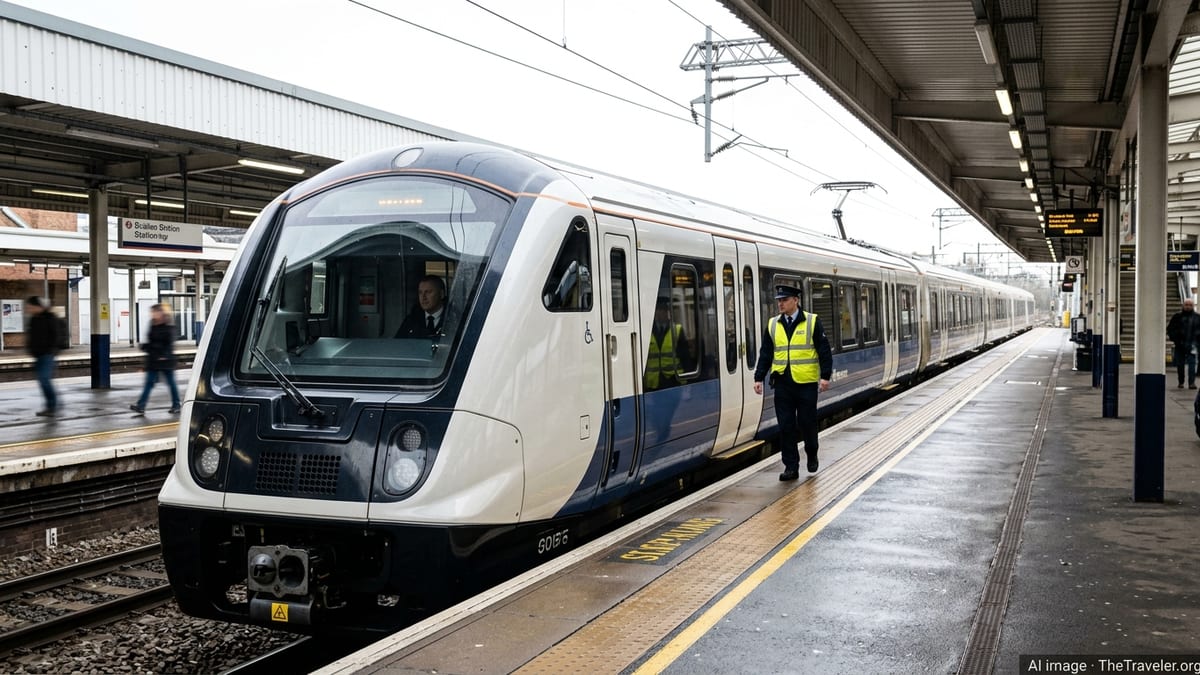
Red extreme heat alert raises risk on key rail corridors
The UK Health Security Agency has issued a red heat health alert for large areas of England, coinciding with an expanding extreme heat warning from the Met Office as temperatures are forecast to climb toward the high 30s Celsius between Wednesday and Thursday. Publicly available information indicates that the alerts cover much of central and southern England and parts of Wales, including some of the country’s busiest rail corridors.
Reports indicate that forecasters expect daytime highs to reach around 38 degrees Celsius in some inland areas, with very warm and humid nights limiting the chance for infrastructure to cool. The current episode follows a series of increasingly intense hot spells in recent summers, with observers noting that conditions this week could again challenge long standing June temperature records.
According to published coverage from weather and public health agencies, the red alert reflects an elevated risk to life for the wider population, not only for traditionally vulnerable groups. Transport, health and energy systems are highlighted as particularly exposed, with the potential for widespread disruption if temperatures peak as projected.
Within this context, rail operators and infrastructure managers are moving to reduce stress on tracks, power systems and rolling stock, and are warning that normal service levels cannot be guaranteed while the red warning is in force.
“Only travel if essential” as speed limits and reduced timetables bite
Based on industry statements and travel updates, rail companies across affected regions are advising passengers to travel only if their journey is essential on the hottest days, echoing similar messages issued during the record breaking heatwave of July 2022. Some operators are introducing heavily reduced timetables, while others are warning that trains will be subject to blanket speed restrictions to protect the network.
Rail infrastructure can be particularly vulnerable in extreme heat. Steel rails expand as temperatures rise, increasing the risk of track buckling if they are not carefully managed. Overhead power lines and signalling systems can also be affected, while trains themselves may be more prone to faults when operating for long periods in high temperatures. To manage these risks, reports indicate that Network Rail and other infrastructure owners are imposing lower line speeds across susceptible sections, which in turn reduces overall capacity on already busy routes.
Where operators expect the most severe impacts, they are pre emptively cancelling some services and merging others, seeking to run a smaller but more resilient timetable. Publicly available information shows that passengers are being advised to check services before departure, to allow extra time for their journey and to be prepared for crowded trains and possible last minute changes.
Travel industry analysis suggests that the “only travel if essential” message is intended both to reduce pressure on the network and to give passengers greater clarity. With fewer people attempting to travel during the hottest period and more realistic expectations about delays, rail managers hope to limit the risk of passengers becoming stranded in uncomfortable conditions.
Passenger welfare concerns amid stifling conditions
Alongside operational challenges, passenger welfare is emerging as a central concern. Many trains running on the UK network still rely on opening windows or older air conditioning systems that can struggle in very high temperatures. When services are delayed or held at signals, internal carriage temperatures can climb rapidly.
Guidance from public health agencies for people travelling in the heat advises passengers to carry water, wear light clothing and avoid peak afternoon departures where possible. Rail operators are also promoting simple steps such as refilling bottles at station taps where available and seeking shaded areas on platforms while waiting for trains. On some routes, announcements are drawing attention to the symptoms of heat exhaustion and encouraging passengers to seek assistance if they feel unwell.
Travel reports note that passenger advocacy groups are calling for particular attention to be given to older people, those with health conditions and families travelling with children. These groups may find it harder to cope with long waits in hot, crowded spaces or with lengthy diversions if services are curtailed. Stations without step free access or with limited seating can be especially challenging during extreme heat.
Rail operators face additional logistical questions around staff welfare. Public information indicates that teams working outdoors on track inspections, maintenance and emergency response are being rescheduled where possible to cooler parts of the day, with extra rest breaks and hydration measures introduced to limit exposure.
Knock on disruption for tourism and summer events
The heat related rail disruption is likely to be felt far beyond daily commuting, as the red alert coincides with the early summer travel season. Leisure travellers heading to coastal destinations, national parks and major cities across England and Wales are being urged to reconsider plans that rely on long rail journeys during the peak of the heatwave.
Tourism businesses are watching developments closely. According to coverage from regional outlets, some attractions are adjusting opening hours or stepping up shade and cooling provisions in expectation of fewer visitors travelling by train and more arrivals concentrated in the cooler morning and evening periods. In coastal areas, local authorities are simultaneously preparing for heavy road traffic if visitors opt to drive instead of using public transport.
Event organisers are also reassessing transport arrangements. Racing fixtures, outdoor festivals and large sporting events scheduled for later in the week are reviewing rail capacity and encouraging attendees to follow live travel updates. In some instances, ticket holders are being offered flexibility to switch dates or are being advised to postpone attendance if they rely on routes most exposed to heat related disruption.
Travel industry commentators note that repeated summer disruption linked to extreme heat is increasingly shaping how visitors plan UK trips, with a growing emphasis on flexible tickets, insurance that covers weather related changes and itineraries that build in additional contingency time.
Calls grow for climate resilient rail infrastructure
The latest warnings are intensifying debate over how quickly the UK’s rail network can adapt to a warming climate. Engineering standards and operating practices developed in a cooler era are being tested more frequently as prolonged hot spells become less exceptional.
Background material from infrastructure managers highlights a range of measures already under way, including re tensioning rail to cope with higher track temperatures, applying heat resistant paint in critical locations, installing additional remote monitoring of rail stress and upgrading air conditioning systems on rolling stock. Vegetation management along cuttings and embankments is also being adjusted to reduce the risk of lineside fires during very dry, hot periods.
However, analysts point to the scale of the challenge across a complex, largely open air network. Many of the busiest routes date back more than a century and pass through built up areas where large scale reconstruction is difficult. Balancing investment in long term resilience with short term reliability is becoming a central policy question as extreme heat alerts grow more frequent.
For now, passengers in the red and amber warning areas are being urged to remain flexible, monitor service information closely and think carefully about whether their journey is essential on the hottest days. With forecasters suggesting that further heatwaves are possible later in the summer, the experience of this week is likely to influence how both rail operators and travellers approach future periods of extreme heat.