


More news on this day
UK holidaymakers are increasingly favouring robust travel insurance over bargain-basement policies, as new research links global instability, climate disruption and rising claims costs to a marked shift in buying behaviour.
Get the latest news straight to your inbox!
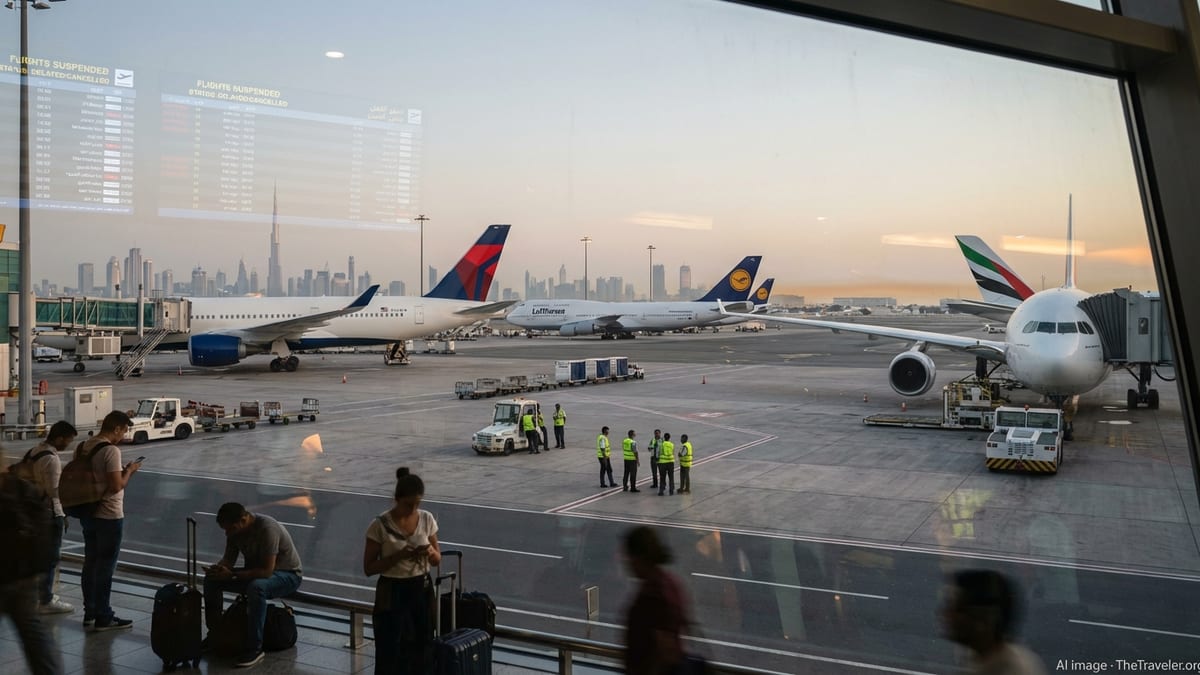
Safety and policy features over headline price
Recent industry research indicates that British travellers are reassessing what they want from travel insurance as they plan summer holidays for 2026. A report from a specialist broker found that 68% of UK adults planning a trip abroad this year intend to prioritise either top quality cover or strong policy features when they buy insurance, while only 15% say they will shop primarily on price. The findings suggest a clear move away from the pre-pandemic pattern of treating insurance as a low-cost add-on.
This shift is emerging even as many travellers still fly without any protection at all. A 2025 analysis of UK travel insurance usage reported that more than half of surveyed holidaymakers had travelled abroad at least once without cover, and that a significant minority still delay or skip buying a policy altogether. Market analysts say the latest survey evidence points to a growing split between fully uninsured travellers and a more risk-aware segment that is willing to pay extra for better benefits once they do decide to buy.
For those who are insured, consumer advocates note that attention is moving from headline medical limits to the fine print around cancellations, delays and exclusions. Publicly available guidance from comparison sites and ombudsman case studies repeatedly stresses that cheaper policies often exclude common causes of disruption or cap payouts at relatively low levels. As a result, more buyers are checking how policies treat airline strikes, supplier insolvency, natural disasters and political unrest before finalising a purchase.
Insurers are also responding by pushing mid tier and premium products that bundle higher medical cover with stronger disruption protection and dedicated support services. Industry reviews published this spring highlight ranges where the middle product, rather than the entry level option, is now marketed as the expected choice for most destinations, reflecting the perception that risk has become more complex and less predictable.
Global instability and conflict reshape risk calculations
Geopolitical tensions are a key factor behind the change in consumer priorities. Coverage in the specialist insurance press reports that conflicts in the Middle East and other regions have driven a surge in premiums of around 15 to 40% for trips involving higher risk destinations, as airlines reroute flights, government travel warnings tighten and disruption becomes harder to forecast. Some UK underwriters have reportedly restricted or withdrawn cover for specific locations, forcing travellers to scrutinise destination lists before buying.
Guidance from the Association of British Insurers and financial complaint rulings show that many standard UK travel policies exclude claims related to war or acts of terrorism, particularly where the Foreign, Commonwealth and Development Office has advised against all but essential travel. While emergency medical treatment after an incident is often still covered, cancellations or curtailment due to wider security concerns are frequently not. This gap is encouraging more travellers to look for specialist add ons or policies that specifically address political violence and terrorism disruption.
Security risk maps produced for the travel and assistance sector depict large swathes of popular winter sun and long haul destinations as medium or higher risk for unrest, terrorism or crime. Analysts argue that such tools, which are increasingly referenced in consumer facing advice, are making travellers more aware that what might once have been considered routine destinations can now carry more layered risks, from airspace closures to sudden border changes.
In this environment, advisers say that choosing the lowest priced policy can leave travellers exposed if rapidly evolving events fall outside standard wording. As a result, UK buyers who are aware of these dynamics are more likely to pay attention to cancellation triggers, missed departure definitions and provider failure clauses, rather than simply comparing excesses and overall price.
Climate disruption and health risks broaden the protection gap
Climate change is another driver behind the pivot toward quality cover. International travel insurance briefings circulated in late 2025 and early 2026 emphasise that extreme weather is now a leading cause of trip disruption worldwide, contributing to flight cancellations, airport closures and resort damage. At the same time, global insured losses from natural catastrophes have shown a sustained upward trend, with major insurers warning that climate related events are becoming both more frequent and more costly.
Think tank commentary focusing on the UK insurance sector describes climate disruption, political instability and health emergencies as overlapping risks that challenge traditional methods of diversifying exposure. For travellers, this means that events such as heatwaves, wildfires or floods can affect both the safety of a destination and the financial stability of local operators, raising questions over what happens if accommodation cannot open or tour providers cease trading at short notice.
Consumer guides to UK travel insurance published this year now devote significant space to weather related cover, advising travellers to check whether policies include natural catastrophe clauses, missed connection benefits and extended accommodation costs if they are stranded. They also highlight the limits of relying solely on European health entitlement cards for medical treatment abroad, pointing to case studies in which emergency evacuation, private hospital fees and repatriation costs far exceeded what public schemes would reimburse.
Health concerns remain central to many purchasing decisions. Industry statistics show that average medical and cancellation claims have both risen in recent years, reflecting higher treatment costs and the growing expense of changing complex itineraries. Travellers with chronic conditions face particular scrutiny, with insurers and regulators repeatedly warning that failing to disclose pre existing medical issues can result in rejected claims. This context is pushing a rising share of consumers toward policies that combine extensive medical cover with transparent medical screening and clear explanations of what is, and is not, covered.
Premiums rise as value conscious buyers shop smarter
While travellers are showing greater appetite for comprehensive protection, they are doing so during a prolonged cost of living squeeze in the UK. Official economic commentary links household budget pressures to higher energy, food and housing costs since 2021, and analysts note that insurance premiums have also faced upward pressure from inflation and larger claims across multiple product lines. The challenge for many households is therefore to reconcile tighter finances with a growing awareness of travel risk.
Market commentators report that UK travel insurance remains a relatively small share of overall trip costs, particularly compared with flights and accommodation, but acknowledge that prices have ticked up. Comparison platforms tracking average premiums by region show higher typical costs for worldwide and long haul cover, especially when the United States is included, along with surcharges for older travellers and those declaring medical conditions.
In response, value focused travellers are leaning on online tools to compare not only prices but benefit levels, excesses and policy wording. Consumer advice pieces stress that small premium differences can mask large variations in cover, such as whether airline insolvency is included, how baggage limits are structured, or if missed connection cover extends to separate tickets. Industry experts suggest that this kind of detailed comparison is a sign that a portion of the market is becoming more mature, judging policies on overall value rather than simply the lowest displayed price.
Insurers, for their part, are experimenting with more tailored products to balance affordability and protection. Some are promoting annual multi trip policies that can reduce per trip costs for frequent travellers, while others are offering modular add ons for activities such as cruising or winter sports. The focus, according to publicly available market commentary, is on steering customers away from underinsurance while keeping headline premiums at a level that remains acceptable in a strained economic climate.
What UK travellers are looking for in 2026 policies
Taken together, these developments are reshaping what British travellers view as essential in a travel insurance policy. Surveys and product reviews published in 2026 highlight a core cluster of priorities: high emergency medical limits, including repatriation; broad cancellation and curtailment protection; coverage for airline and supplier failure; and clear terms for travel disruption, particularly where climate or security events are involved.
There is also growing interest in service quality, including 24 hour assistance lines, digital claim submission and transparent timeframes for payouts. Reports on customer satisfaction show that travellers are increasingly sensitive to how quickly claims are processed and how clearly documentation requirements are communicated, with some consumers willing to pay more for brands perceived to handle issues efficiently.
At the same time, campaign groups and financial education bodies continue to warn that a significant portion of the population still travels uninsured or underinsured, either because they underestimate the risks or assume that existing bank account or credit card benefits will automatically provide full protection. Industry observers argue that the widening gap between highly informed buyers and those with minimal awareness may become a defining feature of the UK travel insurance market in the years ahead.
For now, however, the emerging trend among engaged UK travellers is clear. Faced with a world of overlapping geopolitical, climatic and health risks, many are concluding that the true cost of a trip includes the price of reliable insurance and that quality of cover, rather than the cheapest possible premium, is increasingly the deciding factor.